
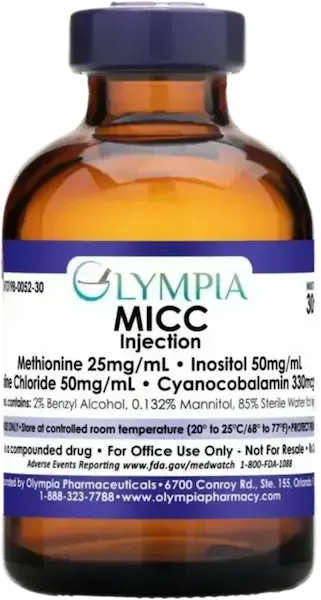
Liver Support + fat loss
MIC
A fat-burning injection that helps your liver process and eliminate stored fat more efficiently.
No Insurance Required
Ships From USA Pharmacy
Free Medical Consultation
Syringes Included
No Subscription Required
Licensed Provider
Licensed Pharmacy
HIPAA Compliant
LegitScript Certified
Overview
Lipotropic Amino Acid Complex
MIC stands for Methionine, Inositol, and Choline, three lipotropic agents that assist the liver in processing, packaging, and exporting fat.
Mechanism of Action
Methionine provides methyl groups for detoxification. Inositol supports insulin signaling and fat transport. Choline is required for VLDL synthesis, the vehicle your liver uses to export fat.
Injection
Intramuscular injections deliver high bioavailability, typically > 95% absorption.
Information presented here is for educational purposes only and not intended to replace or substitute guidance from a healthcare provider. Compounded products are not FDA-approved nor evaluated by the FDA for safety, efficacy, or quality.
Benefits
Weight Loss
Helps your liver break down and export stored fat more efficiently, supporting active weight loss programs.
Metabolism
Supports the metabolic pathways that convert stored fat into usable energy.
Detox
Methionine provides methyl groups that support hepatic detoxification pathways, helping the liver process and clear metabolic waste and environmental toxins.
Energy
Improved fat metabolism means more efficient energy conversion, reducing sluggishness during caloric reduction.
Individual results may vary. Benefits described are based on clinical and pharmacological evidence and do not constitute a guarantee of treatment outcomes. All treatment requires evaluation and approval by a licensed provider.
Simple. Medical.
Personalized.

Medical intake
Answer a few online questions about your health history, lifestyle, & goals. No clinic visits required.
Provider evaluation
A licensed medical provider reviews your intake to determine the safest, personalized treatment.


Personalized plan
Custom treatment plan built around your unique health needs, goals, medical history, & biology.

Ongoing support
Stay connected with your care team for follow-ups, adjustments, & expert answers 100% online.
What Patients Are Experiencing

"Adding MIC injections to my GLP-1 protocol pushed fat loss past the plateau I was stuck at."
— Donna T.*
"Energy during a caloric deficit improved noticeably. My body seems to be burning fat more efficiently now."
— Frank H. *
"My liver enzymes normalized alongside improved body composition. My provider was pleased with both outcomes."
— Patricia W.*
*Individual experiences may vary. Not all patients will have the same outcomes.
FAQs
What is MIC Injection?
MIC Injection is a prescription therapy used for metabolism and energy support.
Who should use MIC Injection?
Patients seeking support for metabolism and energy support may qualify after evaluation by a licensed provider.
Does MIC require a prescription?
Yes. MIC Injection is a compounded prescription preparation dispensed pursuant to a valid prescription from a licensed healthcare provider. A telehealth consultation and medical intake are required to confirm clinical suitability, establish the appropriate dosing protocol, and integrate MIC therapy within your broader health and weight management plan.
What are the possible side effects?
MIC Injection is generally well tolerated. Common effects may include injection site reactions (mild redness, discomfort, or swelling), mild GI effects (nausea or GI upset), and a characteristic odor related to methionine metabolism. Fatigue or lightheadedness following injection has been reported occasionally. Report any unusual or persistent symptoms to your provider.
Who should not use MIC?
Patients with known hypersensitivity to methionine, inositol, choline, or any component of the formulation should not receive this preparation. Those with significant hepatic impairment should be evaluated carefully, as the lipotropic agents work through hepatic fat metabolism pathways. Patients with trimethylaminuria (inability to metabolize trimethylamine produced from choline) should not use choline-containing preparations without specialist guidance. Safety during pregnancy and breastfeeding has not been established for injectable use.
Are there any drug interactions?
Choline may interact with cholinergic medications including certain Alzheimer's medications (acetylcholinesterase inhibitors) and parasympathomimetics, patients on these agents should disclose this to their provider. Methionine's role as a methyl donor may influence the metabolism of certain drugs. Patients on anticoagulants should monitor for any changes, as methionine's involvement in homocysteine metabolism may influence coagulation pathways over time. Provide a complete medication list to your provider before beginning treatment.
Is MIC safe if I have a pre-existing medical condition?
Patients with significant hepatic conditions, cardiovascular disease, metabolic disorders, or trimethylaminuria require individualized provider assessment before initiating MIC therapy. Those on lipid-modifying agents or weight loss medications, including GLP-1 agonists, should have their complete treatment plan reviewed to ensure MIC is appropriately integrated. Your provider will evaluate your complete medical history before prescribing.
Contact Us
Start Your Journey
Ready to Accelerate
Your Fat Loss?
Physician-prescribed MIC injections delivered to your door. No clinic visits required.
Licensed Provider
Licensed Pharmacy
HIPAA Compliant
LegitScript Certified
Optimize Your Protocol
These treatments work synergistically with your current protocol to accelerate results and improve long-term outcomes.
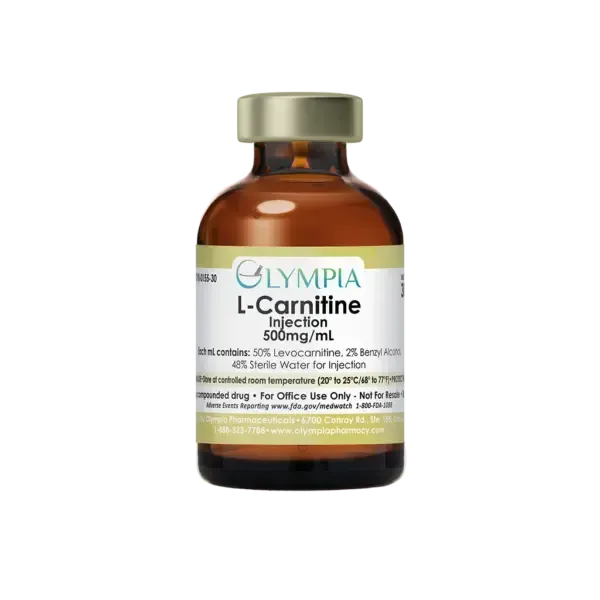
L-Carnitine
$150
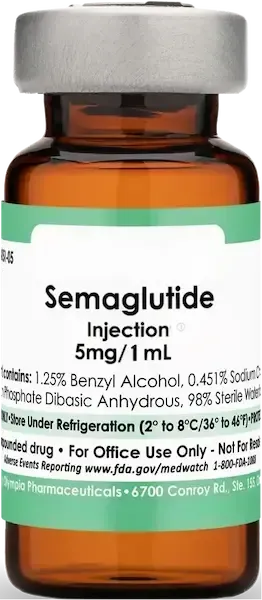
Semaglutide
$250
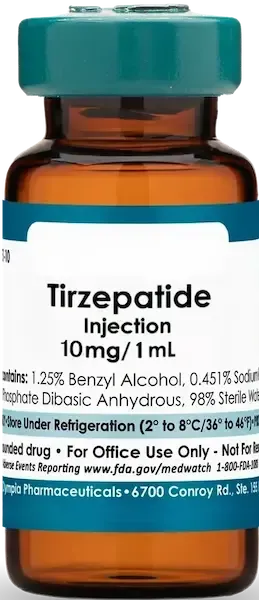
Tirzepatide
$250
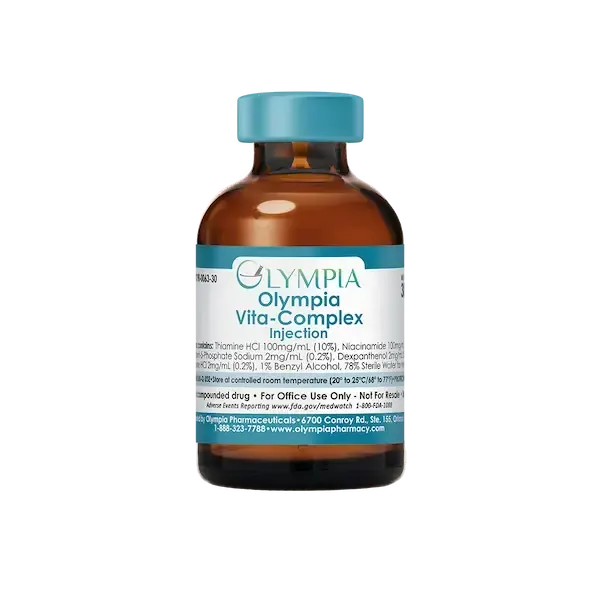
Vitamin B Complex
$160

Weight Loss & Metabolic Panel
$199

© 2026 TestosteroneShots.com, PC
text (323)-283-9219
638 1/2 N. Robertson Blvd, West Hollywood, CA 90069
Legal
The information and clinical services described on this website are for educational and informational purposes only and are not intended to diagnose, treat, cure, or prevent any disease. All treatments require evaluation and approval by a licensed healthcare provider through a telemedicine consultation. Treatment approval is not guaranteed. Individual results may vary, and treatments may carry risks and side effects. Certain compounded medications, wellness treatments, or off-label uses may not be evaluated by the U.S. Food and Drug Administration (FDA) for safety, effectiveness, or quality unless explicitly stated. Testosterone Shots provides telehealth consultations, clinical review, care coordination, lab-related services, membership services, and ongoing treatment management. Testosterone Shots is not a pharmacy and does not manufacture, compound, dispense, sell, handle, warehouse, ship, or collect payment for prescription medication. Testosterone Shots collects payment only for consultations, clinical review, care coordination, lab-related services, membership services, and other non-pharmacy services. If treatment is approved, your prescription may be sent to a licensed pharmacy partner. The pharmacy contacts you directly to complete medication payment and shipping. Services are provided by licensed physicians, nurse practitioners, and/or other licensed healthcare providers in states where they are authorized to practice. This service is not intended for medical emergencies. If you are experiencing an emergency, call 911 or seek immediate medical care. We take reasonable measures to protect personal health information in accordance with applicable privacy laws, including HIPAA. By using this website or its services, you agree to our Terms of Service, Privacy Policy, Notice of Privacy Practices, Telehealth Consent, and Important Safety Information. You must be 18 years of age or older to use this service.