

Comprehensive Blood Work &
Diagnostic Testing
No Insurance Required
Quest Diagnostics
Free Medical Consultation
No Subscription Required
Licensed Providers
Explore by Rx Treatment

Blood Work Prescription
Lab orders sent to Quest Diagnostics
for PPO insurance billing
Available in all 50 states
Panels & Biomarkers
Testosterone, Prostate, CBC, CMP, A1C,
Thyroid, IGF-1, Estrogen, Kidney Profile
Additional panels & biomarkers can be requested
Includes provider order & results review

Blood Work TRT Entry
Total Testosterone, PSA, Glucose, BUN, Creatinine, eGFR, BUN/Creatinine Ratio, Sodium, Potassium, CO2, Chloride, Calcium, Total Protein, Albumin, Total Bilirubin, ALP, ALT, AST, WBC, RBC, Hemoglobin, Hematocrit, MCV, MCH, MCHC, RDW, Platelets, Neutrophils, Lymphocytes, Monocytes, Eosinophils, Basophils
Quest Diagnostics or Lab Corp via FullScript
*Unavailable in New York, New Jersey, & Rhode Island
Includes provider order & results review
Blood Work TRT Baseline
Total & Free Testosterone, PSA, LH, FSH, Estradiol, Glucose, BUN, Creatinine, eGFR, BUN/Creatinine Ratio, Sodium, Potassium, CO2, Chloride, Calcium, Total Protein, Albumin, Total Bilirubin, ALP, ALT, AST, WBC, RBC, Hemoglobin, Hematocrit, MCV, MCH, MCHC, RDW, Platelets, Neutrophils, Lymphocytes, Monocytes, Eosinophils, Basophils
Quest Diagnostics or Lab Corp via FullScript
*Unavailable in New York, New Jersey, & Rhode Island
Includes provider order & results review
Blood Work TRT Optimized
Free Testosterone, Total Testosterone, SHBG, PSA, LH, FSH, TSH, Estradiol, Total Cholesterol, HDL, LDL, Triglycerides, VLDL, Glucose, BUN, Creatinine, eGFR, BUN/Creatinine Ratio, Sodium, Potassium, CO2, Chloride, Calcium, Total Protein, Albumin, Total Bilirubin, ALP, ALT, AST, WBC, RBC, Hemoglobin, Hematocrit, MCV, MCH, MCHC, RDW, Platelets, Neutrophils, Lymphocytes, Monocytes, Eosinophils, Basophils
Quest Diagnostics or Lab Corp via FullScript
*Unavailable in New York, New Jersey, & Rhode Island
Includes provider order & results review
Blood Work TRT Ultimate
Free Testosterone, Total Testosterone, SHBG, PSA, LH, FSH, Estradiol, Prolactin, IGF-1, TSH, Total Cholesterol, HDL, LDL, Triglycerides, VLDL, Glucose, BUN, Creatinine, eGFR, BUN/Creatinine Ratio, Sodium, Potassium, CO2, Chloride, Calcium, Total Protein, Albumin, Total Bilirubin, ALP, ALT, AST, WBC, RBC, Hemoglobin, Hematocrit, MCV, MCH, MCHC, RDW, Platelets, Neutrophils, Lymphocytes, Monocytes, Eosinophils, Basophils, A1C, Cortisol AM
Quest Diagnostics or Lab Corp via FullScript
*Unavailable in New York, New Jersey, & Rhode Island
Includes provider order & results review
Heavy Metals
Arsenic, Cadmium, Lead, Mercury
✅ Toxic Metals
✅ Brain Fog
✅ Fatigue
✅ Baseline Before Detox
✅ Gut-Produced Toxins
1 test · 4 metals
Includes provider order & results review
Individual Biomarkers
Purchase only the biomarkers that you need
*Unavailable in New York, New Jersey, & Rhode Island
Testosterone, Free, Bioavailable & Total $40
Testosterone, Free (Dialysis) & Total $35
Testosterone, Total, MS $20
Testosterone, Free $25
Sex Hormone Binding Globulin (SHBG) $25
CMP & CBC $20
Prostate-Specific Antigen (PSA) $20
Liver Function: ALT, AST, ALP, Albumin $16
C-Reactive Protein (CRP) $19
IGF-1 $30
Kidney Profile $32
Hemoglobin A1c $10
Prolactin $20
Cortisol, A.M $14
Thyroid with TSH $25
Iron, TIBC and Ferritin $23
Lipid $10
Estradiol $20
LH & FSH $25
Quest Diagnostics via FullScript

Fatigue Panel
Comprehensive Metabolic Panel, CBC (H/H, RBC, Indices, WBC, Plt). Thyroid Panel with TSH
Iron, TIBC and Ferritin Panel, Vitamin B12 (Cobalamin) and Folate Panel, Serum
Cardio IQ Vitamin D, 25-Hydroxy.
Quest Diagnostics or Lab Corp via FullScript
*Unavailable in New York, New Jersey, & Rhode Island
Includes provider order & results review
NY, NJ, RI Biomarkers
Only purchase the biomarkers you need
*For New York, New Jersey, & Rhode Island ONLY
Testosterone, Free, Total & SHBG $221
Testosterone, Free (Dialysis) & Total $92
Testosterone, Total, MS $35
Sex Hormone Binding Globulin (SHBG) $140
CMP & CBC $30
Prostate-Specific Antigen (PSA) $35
IGF-1 $120
Hemoglobin A1c $20
Prolactin $180
Cortisol, A.M $130
Thyroid with TSH $40
Lipid $50
Estradiol $40
LH & FSH $40
QUEST DIAGNOSTICS
NY, NJ, RI Entry Panel
*For New York, New Jersey, & Rhode Island ONLY
Total Testosterone
CBC (Complete Blood Count)
CMP (Comprehensive Metabolic Panel)
PSA, Total
Estradiol
Includes provider order & results review
NY, NJ, RI Baseline Panel
*For New York, New Jersey, & Rhode Island ONLY
Total & Free Testosterone
CBC & CMP
PSA, Total
Estradiol
Includes provider order & results review
NY, NJ, RI Optimized Panel
*For New York, New Jersey, & Rhode Island ONLY
Total & Free Testosterone
CBC & CMP
PSA, Total
Estradiol
FSH & LH
Includes provider order & results review
NY, NJ, RI Ultimate Panel
*For New York, New Jersey, & Rhode Island ONLY
Total & Free Testosterone
PSA, Total
Estradiol
FSH & LH
Thyroid w/ TSH
CBC & CMP
A1C
Includes provider order & results review

Inhalation Allergy Test
Uncovers immune reactions behind
congestion, runny nose, sneezing, itchy
watery eyes, skin rashes, & coughing.
Trees, Weeds, Grass, Mold
Pet Dander, Dust Mites, Latex
At-home finger-prick kit
Includes provider order & results review
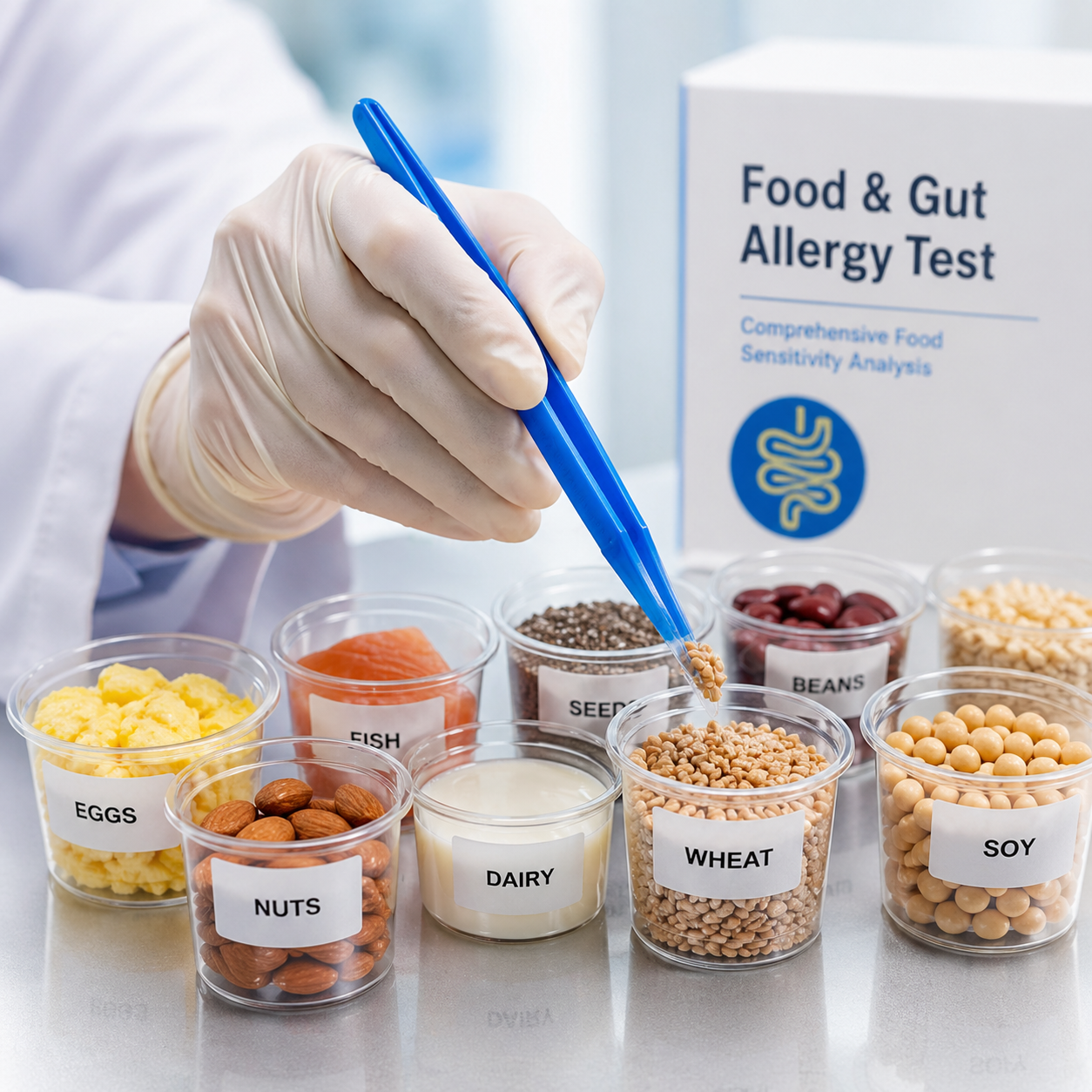
Food Allergy Test
Hidden triggers behind bloating, fatigue,
brain fog, joint pain, and skin flares that show
up hours or days after eating.
Antibody IgG
Meat, Fish, Dairy, Eggs, Nuts, Seeds, Oils
Vegetables, Legumes, Fruit, Grain, Spices
Includes provider order & results review
Environmental Allergy Test
88 IgE responses trigger symptoms including
hives, skin flushing, eye redness, swelling,
& respiratory irritation.
Tree, Grass, Weed, Pet Dander
Animal, Insect, Mite, Mold, Fungus, Pollen
At-home finger-prick kit
Includes provider order & results review
Is Medical Blood Testing Right for You?
If you:
Suspect imbalances in hormones or nutrients even with regular doctor visits
Deal with unexplained low energy, brain fog, or slow recovery
Want precise, lab-verified data to guide your health decisions
Prefer simple, remote-friendly testing without unnecessary appointments
Blood work may be the solution you’ve been missing.
All results are reviewed by a licensed medical professional.
Why Monitor Your Biomarkers?
Understanding your blood chemistry is the most effective way to calibrate your nutrition, supplementation, and medical treatments. Our testing protocols focus on the "Gold Standard" of diagnostic markers to ensure no stone is left unturned.
Hormonal Optimization
Measure Total and Free Testosterone, Estradiol, and DHEA to ensure your endocrine system is performing at its peak.
Metabolic Health
Track insulin sensitivity, glucose levels, and HbA1c to prevent metabolic dysfunction and optimize energy.
Cardiovascular Precision
Go beyond basic cholesterol with advanced lipid profiles & inflammatory marker hs-CRP.
TRT Blood Work — Biomarker Deep Dive
Every biomarker in our TRT monitoring panels explained: what it measures, why it matters for testosterone therapy, reference ranges, and interventions. Reviewed by Dr. Gideon Kwok, DO and Practitioner Ahmed Mahdi, DNP.
Entry Tier 32 Biomarkers
4 tests · 32 biomarkers. Essential safety monitoring: Total Testosterone, PSA, CMP (14 metabolic markers), and CBC with differential (14 blood cell markers).
Total Testosterone
What It Is
Total testosterone measures the entire amount of testosterone circulating in your blood, including both the protein-bound fraction (attached to SHBG and albumin) and the small free fraction. It is the primary marker used to diagnose hypogonadism (low T) and to monitor dosing adequacy on TRT. Produced mainly by the Leydig cells in the testes, testosterone drives muscle growth, bone density, red blood cell production, libido, mood, and cognitive function.
Why It's Tested on TRT
Total testosterone is the cornerstone lab for every TRT follow-up. It confirms your dosing protocol is bringing levels into the therapeutic range and helps your provider titrate the dose up or down. Drawing blood at trough (the day of or the day before your next injection) gives the most accurate picture of your lowest circulating level, ensuring you stay above the symptomatic threshold throughout your dosing cycle.
Reference Ranges (Males)
| Measure | Conventional (Quest) | Optimal / Functional |
|---|---|---|
| Total Testosterone | 264 – 916 ng/dL | 600 – 900 ng/dL |
What Abnormal Results Mean on TRT
- Below range (<264 ng/dL): Dose is insufficient, absorption issues, or poor injection technique. Symptoms of low T (fatigue, low libido, brain fog) likely persist.
- Low-normal (264–500 ng/dL): Many men still experience symptoms in this range. A dose increase or protocol change (e.g., more frequent injections) is often warranted.
- Optimal (600–900 ng/dL): Sweet spot for most men — symptom resolution with minimal side-effect risk.
- Supraphysiologic (>1,000 ng/dL): Increased risk of polycythemia, acne, hair loss, mood changes. Dose reduction recommended.
Interventions
- Testosterone Cypionate & HCG Protocol — our core TRT package with dosing tailored to your labs
- Pregnyl (HCG) — preserves testicular volume and fertility alongside TRT
- Enclomiphene — alternative to raise endogenous T without exogenous testosterone
- Gonadorelin — stimulates LH/FSH to maintain natural production while on TRT
- T-Booster — our natural testosterone support supplement for optimizing levels alongside TRT
- Injection frequency optimization (2x/week subQ for steadier levels)
- Optimize sleep (7–9 hours) — sleep deprivation can lower T by 10–15%
- Resistance training 3–5x/week (compound lifts)
- Maintain body fat 12–20% — adipose tissue aromatizes T to estrogen
- Zinc (30 mg/day) and Vitamin D3 Injection support T production
- Reduce chronic stress (cortisol antagonizes testosterone)
PSA (Prostate-Specific Antigen)
What It Is
Prostate-specific antigen (PSA) is a protein produced exclusively by prostate cells. A small amount normally leaks into the bloodstream, and the PSA blood test measures that concentration. Elevated PSA can indicate benign prostatic hyperplasia (BPH), prostatitis (prostate inflammation/infection), or prostate cancer, though it is not cancer-specific on its own.
Why It's Tested on TRT
Testosterone therapy can cause a modest increase in PSA, typically 0.3–0.5 ng/mL in the first 6–12 months, because testosterone stimulates prostate cell growth. Monitoring PSA ensures any clinically significant rise is caught early. A rapid increase (>1.4 ng/mL over 12 months) or crossing the 4.0 ng/mL threshold warrants further evaluation, including possible urology referral. Baseline PSA should be drawn before starting TRT, with follow-up at 3, 6, and 12 months, then annually.
Reference Ranges (Males)
| Measure | Conventional (Quest) | Optimal / Functional |
|---|---|---|
| PSA | < 4.0 ng/mL | < 2.0 ng/mL |
What Abnormal Results Mean on TRT
- < 2.0 ng/mL: Ideal. Low risk. Continue routine monitoring.
- 2.0 – 4.0 ng/mL: Gray zone. Evaluate trend over time. Consider free PSA ratio or PSA density if rising.
- > 4.0 ng/mL: Warrants urology referral, digital rectal exam, and possible prostate MRI or biopsy. TRT may need to be paused pending evaluation.
- Velocity > 0.75 ng/mL/year: Suspicious regardless of absolute value. Urology referral recommended.
Interventions
- Finasteride/Minoxidil — 5-alpha reductase inhibitor that lowers PSA ~50% and reduces prostate volume
- TRT dose adjustment if PSA velocity is high
- Antibiotics if prostatitis is suspected (can transiently elevate PSA)
- Urology referral for further diagnostic workup when indicated
- Saw palmetto (320 mg/day) may modestly support prostate health
- Lycopene-rich foods (cooked tomatoes, watermelon)
- Zinc (30 mg/day) supports healthy prostate tissue
- Avoid cycling or prolonged sitting before lab draw (can transiently raise PSA)
- Abstain from ejaculation 48 hours prior to draw
CMP (Comprehensive Metabolic Panel) — 14 Markers
What It Is
The comprehensive metabolic panel is a group of 14 blood tests that provide a snapshot of your body's chemical balance and metabolism. It evaluates kidney function (BUN, Creatinine, eGFR, BUN/Creatinine Ratio), liver function (ALP, ALT, AST, Total Bilirubin, Albumin, Total Protein), electrolyte balance (Sodium, Potassium, CO2, Chloride), calcium, and fasting blood glucose.
Why It's Tested on TRT
Testosterone is metabolized by the liver, so monitoring liver enzymes (ALT, AST, ALP) ensures hepatic safety. Kidney markers (BUN, creatinine, eGFR) are important because TRT can increase muscle mass, which raises creatinine independently of kidney damage. Glucose monitoring detects insulin resistance changes, as TRT often improves insulin sensitivity. Electrolytes and calcium are checked for overall metabolic stability.
Reference Ranges (Males)
| Marker | Conventional (Quest) | Optimal / Functional |
|---|---|---|
| Glucose (fasting) | 65 – 99 mg/dL | 75 – 86 mg/dL |
| BUN | 6 – 24 mg/dL | 10 – 16 mg/dL |
| Creatinine | 0.76 – 1.27 mg/dL | 0.90 – 1.20 mg/dL |
| eGFR | > 60 mL/min/1.73m² | > 90 mL/min/1.73m² |
| BUN/Creatinine Ratio | 9 – 20 | 10 – 16 |
| Sodium | 134 – 144 mmol/L | 137 – 142 mmol/L |
| Potassium | 3.5 – 5.2 mmol/L | 4.0 – 4.5 mmol/L |
| CO2 (Bicarbonate) | 18 – 29 mmol/L | 23 – 29 mmol/L |
| Chloride | 96 – 106 mmol/L | 100 – 106 mmol/L |
| Calcium | 8.7 – 10.2 mg/dL | 9.4 – 10.0 mg/dL |
| Total Protein | 6.0 – 8.5 g/dL | 6.9 – 7.4 g/dL |
| Albumin | 3.5 – 5.5 g/dL | 4.0 – 5.0 g/dL |
| Total Bilirubin | 0.1 – 1.2 mg/dL | 0.1 – 1.0 mg/dL |
| ALP | 44 – 121 IU/L | 50 – 85 IU/L |
| ALT | 7 – 56 IU/L | 10 – 26 IU/L |
| AST | 10 – 40 IU/L | 10 – 26 IU/L |
What Abnormal Results Mean on TRT
- Elevated ALT/AST: May indicate liver stress. Injectable cypionate rarely causes significant liver enzyme elevation. Heavy training can also raise AST. If ALT > 3x upper limit, further hepatic workup is needed.
- Elevated creatinine / low eGFR: On TRT, increased muscle mass raises creatinine production, which can lower calculated eGFR without true kidney damage. Dehydration also raises creatinine.
- Elevated fasting glucose: TRT often improves insulin sensitivity over time. Values 100–125 mg/dL indicate prediabetes.
- Low albumin: May suggest chronic inflammation, liver dysfunction, or malnutrition — affects testosterone binding (albumin loosely binds ~50% of total T).
Interventions
- Semaglutide or Semaglutide Troche — GLP-1 agonist for glucose control and metabolic optimization
- Glutathione Injection — master antioxidant supporting liver detoxification
- NAD+ Injection — supports cellular energy and liver repair pathways
- Electrolyte repletion and specialist referral when indicated
- NAC (600–1,200 mg/day) supports liver detoxification
- Adequate hydration (0.5 oz per lb body weight) supports kidney function
- Reduce alcohol consumption — significant contributor to elevated liver enzymes
- Fiber intake (30+ g/day) and low-glycemic diet improve fasting glucose
- Magnesium glycinate (400 mg/day) supports electrolyte balance and insulin sensitivity
CBC with Differential — 14 Markers
What It Is
The complete blood count with differential evaluates all major blood cell populations: red blood cells (WBC, RBC, Hemoglobin, Hematocrit, MCV, MCH, MCHC, RDW), platelets, and the full white blood cell differential (Neutrophils, Lymphocytes, Monocytes, Eosinophils, Basophils). The differential breaks down which types of white cells are present, giving insight into immune function, inflammation, and infection status.
Why It's Tested on TRT
Testosterone powerfully stimulates erythropoiesis (red blood cell production) by increasing erythropoietin (EPO) from the kidneys. This is why TRT is the number one cause of secondary polycythemia in men. Elevated hematocrit increases blood viscosity, raising the risk of blood clots, stroke, and cardiovascular events. If hematocrit exceeds 54%, intervention is required. The WBC differential also detects infection, inflammation, or immune issues that can affect testosterone metabolism.
Reference Ranges (Males)
| Marker | Conventional (Quest) | Optimal / Functional |
|---|---|---|
| WBC | 3.4 – 10.8 x10³/μL | 4.5 – 7.5 x10³/μL |
| RBC | 4.14 – 5.80 x10&sup6;/μL | 4.5 – 5.5 x10&sup6;/μL |
| Hemoglobin | 12.6 – 17.7 g/dL | 14.0 – 16.5 g/dL |
| Hematocrit | 37.5 – 51.0% | 40 – 50% |
| MCV | 79 – 97 fL | 82 – 92 fL |
| MCH | 26.6 – 33.0 pg | 28 – 32 pg |
| MCHC | 31.5 – 35.7 g/dL | 32 – 35 g/dL |
| RDW | 11.7 – 15.4% | 11.7 – 13.0% |
| Platelets | 150 – 379 x10³/μL | 200 – 300 x10³/μL |
| Neutrophils | 40 – 74% | 50 – 65% |
| Lymphocytes | 14 – 46% | 25 – 40% |
| Monocytes | 4 – 13% | 4 – 9% |
| Eosinophils | 0 – 7% | 0 – 3% |
| Basophils | 0 – 3% | 0 – 1% |
What Abnormal Results Mean on TRT
- Elevated hematocrit (> 51%): TRT-induced erythrocytosis. If hematocrit exceeds 54%, thromboembolic risk increases significantly. Therapeutic phlebotomy (blood donation) is first-line treatment.
- Elevated hemoglobin (> 17.7 g/dL): Parallels hematocrit elevation. Often the first marker to trigger intervention on TRT.
- Elevated RDW (> 15.4%): Suggests mixed red cell populations, which can occur when TRT rapidly stimulates new (larger) red blood cells alongside older cells.
- Elevated neutrophils / low lymphocytes: May suggest chronic stress, inflammation, or infection. The neutrophil-to-lymphocyte ratio (NLR) is an independent cardiovascular risk marker.
- Elevated eosinophils: May indicate allergic response, parasitic infection, or autoimmune activity.
Interventions
- Testosterone Cypionate & HCG Protocol — dose adjustment (reduce 10–20%) or increase injection frequency for less erythrocytosis
- Therapeutic phlebotomy (remove 1 pint/500 mL) when hematocrit > 54%
- Consider low-dose aspirin (81 mg) if hematocrit is borderline
- Donate blood regularly (every 8 weeks if eligible) — most effective non-pharmaceutical intervention
- Stay well-hydrated — dehydration concentrates blood and falsely elevates hematocrit
- IP6 (inositol hexaphosphate) chelates iron and may help lower ferritin from frequent phlebotomy
- Omega-3 fatty acids (2–4 g/day) support healthy blood viscosity
Baseline Tier 36 Biomarkers
5 tests · 36 biomarkers. Adds Free Testosterone, LH, FSH, and Estradiol to the Entry panel for hormonal feedback monitoring.
Total Testosterone, PSA, CMP, CBC
Full write-ups for these four tests are covered in the Entry Tier above. All remain part of the Baseline panel.
Free Testosterone
What It Is
Free testosterone is the small fraction of total testosterone (typically 2–3%) that circulates unbound to proteins in the blood. Unlike the majority of testosterone that is bound to sex hormone-binding globulin (SHBG) or albumin, free testosterone is immediately available to enter cells and activate androgen receptors. It is the biologically active form that directly drives muscle growth, libido, energy, mood, and cognitive function.
Why It's Tested on TRT
A man can have a normal total testosterone level but still experience symptoms of low T if his SHBG is elevated, which traps testosterone in its bound form. Free testosterone reveals the true amount of bioavailable hormone reaching your tissues. On TRT, monitoring free T ensures the therapy is delivering adequate active hormone, not just raising total numbers. It is particularly important for men over 40, as SHBG rises approximately 1–2% per year with age.
Reference Ranges (Males)
| Measure | Conventional (Quest) | Optimal / Functional |
|---|---|---|
| Free Testosterone | 5.0 – 21.0 ng/dL | 15 – 25 ng/dL |
What Abnormal Results Mean on TRT
- Low free T (< 10 ng/dL) with normal total T: Elevated SHBG is binding most of the testosterone. Common with aging, hyperthyroidism, liver disease, or anticonvulsants. Symptoms of low T persist despite "normal" labs.
- Low free T with low total T: Dose increase warranted. Both forms are insufficient.
- Optimal free T (15–25 ng/dL): Best correlation with symptom resolution and quality of life improvements on TRT.
- Very high free T (> 30 ng/dL): Risk of increased estrogen conversion (aromatization), acne, hair loss, irritability, and polycythemia. Dose reduction may be needed.
Interventions
- Testosterone Cypionate & HCG Protocol — dose increase if free T is low despite adequate total T
- T-Booster — supports natural T production and optimizes free T
- Enclomiphene — can modulate SHBG and improve free T ratios
- Anastrozole (0.25–0.5 mg 2x/week) if high free T is aromatizing to excess estradiol
- Boron (6–10 mg/day) can lower SHBG by 20–30%, increasing free T
- Magnesium (400 mg/day) — deficiency is associated with higher SHBG
- Vitamin D3 (5,000 IU/day) supports optimal SHBG regulation
- Stinging nettle root (300–600 mg/day) may compete with testosterone for SHBG binding sites
LH (Luteinizing Hormone)
What It Is
Luteinizing hormone (LH) is a gonadotropin produced by the anterior pituitary gland. In men, LH signals the Leydig cells in the testes to produce testosterone. It is released in a pulsatile pattern, regulated by gonadotropin-releasing hormone (GnRH) from the hypothalamus. LH is a key player in the hypothalamic-pituitary-gonadal (HPG) axis — the hormonal feedback loop that controls testosterone production.
Why It's Tested on TRT
When you take exogenous testosterone, your brain detects the elevated level and suppresses GnRH release, which in turn suppresses LH to near-zero. This is expected and normal on TRT. A suppressed LH confirms your body is absorbing the exogenous testosterone. If LH is NOT suppressed on TRT, it may indicate non-compliance, poor absorption, or a pituitary adenoma. LH is also critical for pre-TRT diagnosis: elevated LH with low testosterone indicates primary hypogonadism (testicular failure), while low LH with low testosterone indicates secondary hypogonadism (pituitary/hypothalamic issue).
Reference Ranges (Males)
| Measure | Conventional (Quest) | On TRT (Expected) |
|---|---|---|
| LH | 1.7 – 8.6 mIU/mL | < 0.5 mIU/mL (suppressed) |
What Abnormal Results Mean on TRT
- Suppressed / undetectable (< 0.5 mIU/mL): Expected on exogenous testosterone. No action needed.
- Detectable / normal range while on TRT: Unexpected. Evaluate compliance, injection technique, and absorption.
- Pre-TRT elevated (> 8.6 mIU/mL): Indicates primary hypogonadism — the pituitary is working hard but the testes cannot produce adequate testosterone.
- Pre-TRT low (< 1.7 mIU/mL) with low T: Indicates secondary hypogonadism. Pituitary MRI should be considered.
Interventions
- Pregnyl (HCG) — 500–1,000 IU 2–3x/week maintains LH-receptor stimulation, preserving testicular volume and fertility
- Enclomiphene — selectively raises LH without estrogenic side effects
- Gonadorelin — GnRH analog that stimulates pituitary LH/FSH release
- Consistent injection schedule to maintain steady suppression
- Adequate sleep (LH pulses increase during sleep)
- Stress management — chronic cortisol elevation suppresses GnRH/LH independent of TRT
- Ashwagandha (600 mg/day) may support HPG axis function in non-TRT contexts
FSH (Follicle-Stimulating Hormone)
What It Is
Follicle-stimulating hormone (FSH) is the second gonadotropin produced by the anterior pituitary gland. In men, FSH acts on the Sertoli cells in the seminiferous tubules of the testes, driving spermatogenesis (sperm production). While LH controls testosterone production, FSH controls fertility — the two work in tandem within the HPG axis.
Why It's Tested on TRT
Like LH, FSH will be suppressed to near-zero on exogenous testosterone because the pituitary shuts down gonadotropin secretion when it detects adequate circulating testosterone. This suppression is why TRT causes reduced sperm production and potential infertility. Monitoring FSH is critical for men who want to preserve fertility while on TRT, as it quantifies how profoundly spermatogenesis is being suppressed.
Reference Ranges (Males)
| Measure | Conventional (Quest) | On TRT (Expected) |
|---|---|---|
| FSH | 1.5 – 12.4 mIU/mL | < 0.7 mIU/mL (suppressed) |
What Abnormal Results Mean on TRT
- Suppressed / undetectable (< 0.7 mIU/mL): Expected on TRT. Spermatogenesis is likely impaired. If fertility is not a concern, this is normal and requires no intervention.
- Detectable while on TRT: Suggests compliance or absorption issues. Could also indicate concurrent HCG use is partially maintaining pituitary activity.
- Pre-TRT elevated (> 12.4 mIU/mL): Suggests primary testicular failure.
- Pre-TRT low with low T: Indicates secondary (central) hypogonadism. Consider pituitary workup.
Interventions
- Pregnyl (HCG) — 500–1,000 IU 2–3x/week mimics LH and partially supports spermatogenesis
- Enclomiphene — stimulates endogenous FSH when transitioning off TRT for conception
- Gonadorelin — stimulates pituitary FSH/LH release to support fertility on TRT
- CoQ10 (200–400 mg/day) supports sperm quality and mitochondrial function
- L-carnitine (2 g/day) shown to support sperm motility
- Zinc (30 mg/day) essential for spermatogenesis
- Avoid excessive heat exposure (hot tubs, saunas) which impair spermatogenesis
Estradiol
What It Is
Estradiol (E2) is the primary estrogen in men, produced mainly through the conversion (aromatization) of testosterone by the enzyme aromatase, primarily in adipose tissue, the liver, and the testes. Despite being classified as a "female hormone," estradiol plays essential roles in male health: bone density, cardiovascular function, libido, mood, cognitive function, and joint health all depend on maintaining adequate estradiol levels.
Why It's Tested on TRT
When testosterone levels rise on TRT, estradiol typically rises proportionally because more testosterone is available for aromatization. Both too much and too little estradiol cause problems. Elevated estradiol causes water retention, gynecomastia (breast tissue development), mood swings, and reduced libido. Low estradiol (often from over-use of aromatase inhibitors) causes joint pain, low libido, depression, brain fog, and accelerated bone loss. Monitoring estradiol allows your provider to keep it in the optimal range for your body composition and symptom profile.
Reference Ranges (Males)
| Measure | Conventional (Quest) | Optimal / Functional |
|---|---|---|
| Estradiol (LC/MS, #30289) | 8 – 35 pg/mL | 20 – 40 pg/mL |
What Abnormal Results Mean on TRT
- Optimal (20–40 pg/mL): Best range for most men on TRT. Libido, mood, bone density, and cardiovascular markers are supported at these levels.
- Elevated (> 40–50 pg/mL): Excess aromatization. Symptoms: water retention, mood swings, nipple sensitivity, reduced libido. Common in men with higher body fat or on higher testosterone doses.
- Very high (> 60 pg/mL): Significant estrogen excess. Aromatase inhibitor therapy or dose reduction indicated.
- Low (< 15 pg/mL): Often from AI over-use. Symptoms: joint aches, low libido, depression, brain fog, bone loss. Reduce or stop AI.
Interventions
- Anastrozole — aromatase inhibitor; 0.25–0.5 mg 2x/week to lower elevated estradiol
- Testosterone Cypionate & HCG Protocol — dose or frequency adjustment to reduce aromatization
- Enclomiphene — SERM that blocks estrogen at the pituitary without suppressing systemic estradiol levels
- Reduce body fat — adipose tissue is the primary site of aromatase activity in men
- DIM (diindolylmethane, 200 mg/day) supports healthy estrogen metabolism
- Zinc (30 mg/day) — natural aromatase inhibitor at physiologic doses
- Avoid alcohol — alcohol increases aromatase activity in the liver
Optimized Tier 43 Biomarkers
8 tests · 43 biomarkers. Adds SHBG, TSH, and a full Lipid Panel (5 markers) to the Baseline panel for comprehensive hormonal and cardiovascular insight.
Free & Total Testosterone, PSA, CMP, CBC, LH, FSH, Estradiol
Full write-ups for these tests are covered in the Entry Tier and Baseline Tier above. All remain part of the Optimized panel.
SHBG (Sex Hormone-Binding Globulin)
What It Is
Sex hormone-binding globulin (SHBG) is a glycoprotein produced by the liver that tightly binds testosterone and estradiol in the bloodstream. Approximately 44% of circulating testosterone is bound to SHBG (unavailable to cells), about 50% is loosely bound to albumin (partially available), and only 2–3% is free (immediately bioactive). SHBG acts as a hormonal reservoir and regulator — high SHBG reduces the amount of testosterone available to tissues, even when total testosterone levels appear normal.
Why It's Tested on TRT
SHBG is the critical missing piece when total testosterone looks good but symptoms of low T persist. Elevated SHBG binds more testosterone, dramatically reducing free and bioavailable T. SHBG rises with age, liver disease, hyperthyroidism, caloric restriction, and certain medications. Conversely, low SHBG (common with obesity, insulin resistance, and hypothyroidism) increases free testosterone but can also accelerate aromatization to estrogen. Measuring SHBG allows precise calculation of bioavailable testosterone and guides dosing strategy.
Reference Ranges (Males)
| Measure | Conventional (Quest) | Optimal / Functional |
|---|---|---|
| SHBG | 10 – 57 nmol/L | 20 – 40 nmol/L |
What Abnormal Results Mean on TRT
- High SHBG (> 57 nmol/L): Testosterone is being trapped. Free T will be low even if total T is in range. Common causes: aging, hyperthyroidism, liver cirrhosis, anticonvulsants, excessive alcohol. Patients feel low-T symptoms despite adequate TRT dose.
- Optimal SHBG (20–40 nmol/L): Good balance of total and free testosterone. TRT dosing is most efficient in this range.
- Low SHBG (< 10 nmol/L): More free testosterone is available, but rapid clearance can cause peaks and troughs. High free T may drive excess aromatization to estradiol, causing gynecomastia, water retention, and mood swings. Common with obesity and insulin resistance.
Interventions
- Testosterone Cypionate & HCG Protocol — more frequent injections (2x/week or EOD) help manage high-SHBG patients by maintaining steadier free T levels
- Enclomiphene — can modestly lower SHBG while raising total T in non-TRT patients
- Semaglutide — improving insulin sensitivity with GLP-1 therapy can normalize low SHBG associated with metabolic syndrome
- Anastrozole to reduce estradiol if low SHBG is causing excess aromatization
- Boron (6–10 mg/day) — shown to lower SHBG by 20–30% in several studies
- Magnesium glycinate (400 mg/day) — magnesium deficiency is linked to higher SHBG
- Stinging nettle root (300–600 mg/day) competes with testosterone for SHBG binding sites, increasing free T
- Reduce alcohol intake — alcohol raises SHBG production in the liver
- Weight loss (for low SHBG) — reducing adiposity normalizes SHBG upward toward optimal range
- Vitamin D3 (5,000 IU/day) supports healthy SHBG regulation
TSH (Thyroid-Stimulating Hormone)
What It Is
Thyroid-stimulating hormone is produced by the anterior pituitary gland and acts as the master regulator of thyroid function. TSH tells the thyroid gland to produce thyroid hormones (T4 and T3), which control metabolism, energy production, body temperature, heart rate, and protein synthesis. TSH operates on a negative feedback loop: when thyroid hormones are low, TSH rises; when thyroid hormones are adequate, TSH decreases.
Why It's Tested on TRT
Thyroid function and testosterone are deeply interconnected. Hypothyroidism increases SHBG, which binds more testosterone and reduces free T — potentially undermining TRT effectiveness. Symptoms of hypothyroidism (fatigue, weight gain, brain fog, depression) overlap significantly with low testosterone symptoms, making it essential to rule out or co-manage thyroid dysfunction. Optimizing thyroid function amplifies the benefits of TRT.
Reference Ranges (Males)
| Measure | Conventional (Quest) | Optimal / Functional |
|---|---|---|
| TSH | 0.45 – 4.5 mIU/L | 1.0 – 2.5 mIU/L |
What Abnormal Results Mean on TRT
- Elevated TSH (> 4.5 mIU/L): Indicates hypothyroidism. Causes fatigue, weight gain, constipation, cold intolerance, and elevated SHBG — all of which blunt TRT benefits.
- TSH 2.5–4.5 mIU/L: Subclinical hypothyroidism. Many functional medicine providers treat in this range if symptoms are present.
- Low TSH (< 0.45 mIU/L): Suggests hyperthyroidism or excessive thyroid medication. Can cause anxiety, rapid heart rate, weight loss, and elevated SHBG.
- TSH 1.0–2.5 mIU/L: Optimal range. Best metabolic function and synergy with TRT.
Interventions
- Levothyroxine (T4) for hypothyroidism — most common first-line treatment
- Liothyronine (T3) or combination T4/T3 therapy if poor conversion
- Natural desiccated thyroid (NDT) for patients preferring combined T4/T3
- Complete Thyroid Panel — our dedicated 6-test thyroid panel for comprehensive monitoring
- Selenium (200 mcg/day) supports T4-to-T3 conversion and thyroid peroxidase activity
- Zinc (30 mg/day) required for T3 receptor binding
- Iodine (150–300 mcg/day) — essential for thyroid hormone synthesis, but avoid excess
- Manage stress — cortisol inhibits TSH secretion and impairs T4-to-T3 conversion
Lipid Panel — 5 Markers (Total Cholesterol, HDL, LDL, Triglycerides, VLDL)
What It Is
The lipid panel measures the major fats and fat-like substances in your blood: total cholesterol, LDL ("bad" cholesterol), HDL ("good" cholesterol), triglycerides, and calculated VLDL. Cholesterol is essential for hormone production — all steroid hormones, including testosterone, are synthesized from cholesterol — but imbalanced lipids increase the risk of atherosclerosis, heart attack, and stroke.
Why It's Tested on TRT
Testosterone therapy has a complex relationship with lipid metabolism. TRT generally improves the overall lipid profile by reducing total cholesterol and triglycerides. However, supraphysiologic doses can lower HDL cholesterol. Lipid panels are recommended at baseline, 6 months, and annually on TRT to track cardiovascular risk trends.
Reference Ranges (Males)
| Marker | Conventional (Quest) | Optimal / Functional |
|---|---|---|
| Total Cholesterol | < 200 mg/dL | 160 – 200 mg/dL |
| LDL Cholesterol | < 100 mg/dL | < 100 mg/dL |
| HDL Cholesterol | > 39 mg/dL | > 50 mg/dL |
| Triglycerides | < 150 mg/dL | < 100 mg/dL |
| VLDL | 5 – 40 mg/dL | < 20 mg/dL |
What Abnormal Results Mean on TRT
- Elevated LDL (> 130 mg/dL): Increased cardiovascular risk. Not typically worsened by TRT at physiologic doses, but lifestyle, genetics, and diet are primary drivers.
- Low HDL (< 40 mg/dL): Supraphysiologic TRT doses or oral androgens can suppress HDL. This is one reason to keep testosterone within the therapeutic range.
- Elevated triglycerides (> 150 mg/dL): Strongly associated with insulin resistance, metabolic syndrome, and poor diet. TRT often helps lower triglycerides over time.
- Very low total cholesterol (< 150 mg/dL): Can impair steroid hormone synthesis. Adequate cholesterol is needed as a precursor for testosterone production.
Interventions
- Semaglutide — improves metabolic markers, lowers triglycerides, supports cardiovascular health
- Carnitine Injection — supports fatty acid metabolism and lipid transport
- NAD+ Injection — supports mitochondrial function and metabolic efficiency
- Statins, ezetimibe, or PCSK9 inhibitors prescribed as needed for elevated LDL
- Omega-3 fatty acids (2–4 g EPA/DHA daily) lower triglycerides 15–30%
- Soluble fiber (psyllium 10 g/day) lowers LDL 5–10%
- Berberine (500 mg 2–3x/day) has statin-like LDL-lowering effects
- Regular aerobic exercise (150+ min/week) raises HDL and lowers triglycerides
- Mediterranean diet pattern — best-studied for cardiovascular risk reduction
Ultimate Tier 47 Biomarkers
11 tests · 47 biomarkers. The most comprehensive TRT monitoring panel. Adds Prolactin, IGF-1, A1C, and Cortisol AM to the full Optimized panel for complete hormonal, metabolic, and longevity insight.
Free & Total Testosterone, PSA, CMP, CBC, LH, FSH, Estradiol, SHBG, TSH, Lipid Panel
Prolactin
What It Is
Prolactin is a hormone produced by the anterior pituitary gland. While primarily known for stimulating milk production in women, prolactin plays an important role in male reproductive health by regulating gonadotropin secretion and testicular function. In men, prolactin helps modulate LH receptor sensitivity in the testes and influences sexual function and mood.
Why It's Tested on TRT
Elevated prolactin (hyperprolactinemia) is a frequently overlooked cause of low testosterone that fails to respond adequately to TRT. High prolactin suppresses GnRH release from the hypothalamus, which in turn suppresses LH and FSH, reducing testosterone production. Symptoms of hyperprolactinemia in men include low libido, erectile dysfunction, gynecomastia, and fatigue — all of which mimic low testosterone. A pituitary adenoma (prolactinoma) is the most common cause of significantly elevated prolactin and requires MRI evaluation.
Reference Ranges (Males)
| Measure | Conventional (Quest) | Optimal / Functional |
|---|---|---|
| Prolactin | 2.0 – 18.0 ng/mL | < 15 ng/mL |
What Abnormal Results Mean on TRT
- Optimal (< 15 ng/mL): Normal. No prolactin-related suppression of testosterone or gonadotropins.
- Mildly elevated (18–40 ng/mL): Can be caused by stress, vigorous exercise before the draw, certain medications (antipsychotics, antidepressants, metoclopramide), hypothyroidism, or chronic kidney disease. Repeat testing and medication review warranted.
- Moderately elevated (40–100 ng/mL): High suspicion for pituitary adenoma (prolactinoma) or significant medication effect. MRI of the pituitary is recommended.
- Severely elevated (> 100 ng/mL): Strongly suggests a macroprolactinoma. Dopamine agonist therapy (cabergoline) is first-line treatment.
Interventions
- Cabergoline (dopamine agonist) — first-line treatment for hyperprolactinemia; highly effective at normalizing prolactin and restoring testosterone
- Bromocriptine — alternative dopamine agonist with longer track record
- Pituitary MRI referral when prolactin is significantly elevated
- Testosterone Cypionate & HCG Protocol — TRT continues while prolactin is being treated
- Vitamin B6 (P5P form, 50–100 mg/day) may modestly lower prolactin through dopaminergic effects
- Zinc (30 mg/day) supports dopamine synthesis and may help regulate prolactin
- Avoid excessive stress and sleep deprivation — both acutely elevate prolactin
- Draw blood in a fasting, rested state and avoid vigorous exercise 24 hours before the draw
- Review medications with your provider — SSRIs, antipsychotics, and some blood pressure drugs raise prolactin
IGF-1 (Insulin-like Growth Factor 1)
What It Is
Insulin-like growth factor 1 (IGF-1) is a peptide hormone produced primarily by the liver in response to growth hormone (GH) stimulation. It mediates many of the anabolic effects attributed to growth hormone, including muscle growth, bone density, tissue repair, collagen synthesis, and cellular regeneration. IGF-1 levels serve as a stable, reliable proxy for growth hormone status because GH itself is released in pulsatile bursts and is difficult to measure accurately with a single blood draw.
Why It's Tested on TRT
Testosterone and growth hormone have a synergistic relationship. TRT can modestly increase IGF-1 levels by stimulating GH release and enhancing hepatic IGF-1 production. Monitoring IGF-1 provides insight into the overall anabolic environment of the body — when both testosterone and IGF-1 are optimized, patients experience the greatest improvements in muscle mass, recovery, body composition, and anti-aging markers. Low IGF-1 despite adequate TRT may indicate GH deficiency, poor sleep, caloric restriction, or liver dysfunction.
Reference Ranges (Males)
| Measure | Conventional (Quest) | Optimal / Functional |
|---|---|---|
| IGF-1 (age 21–30) | 88 – 246 ng/mL | 180 – 240 ng/mL |
| IGF-1 (age 31–40) | 63 – 223 ng/mL | 160 – 220 ng/mL |
| IGF-1 (age 41–50) | 57 – 214 ng/mL | 140 – 200 ng/mL |
| IGF-1 (age 51–60) | 48 – 200 ng/mL | 120 – 180 ng/mL |
| IGF-1 (age 61–70) | 37 – 188 ng/mL | 100 – 170 ng/mL |
What Abnormal Results Mean on TRT
- Low IGF-1 (below age-adjusted range): May indicate growth hormone deficiency, inadequate sleep, caloric restriction, liver disease, or chronic illness. Symptoms include difficulty building muscle, poor recovery, thin skin, increased abdominal fat, and accelerated aging.
- Low-normal IGF-1: Suboptimal anabolic environment. Optimizing sleep, nutrition, and exercise can often raise levels.
- Optimal IGF-1 (upper third of age-adjusted range): Associated with best body composition, recovery, cognitive function, and longevity markers.
- Very high IGF-1 (> 300 ng/mL): If not on GH therapy, warrants evaluation for pituitary adenoma (acromegaly).
Interventions
- Sermorelin Injection — GH-releasing hormone analog that stimulates natural growth hormone production and raises IGF-1
- Macimorelin — GH secretagogue for GH deficiency diagnosis and support
- Amino Blend Injection — amino acid complex supporting GH release and recovery
- NAD+ Injection — supports cellular regeneration and anti-aging pathways synergistic with IGF-1
- Prioritize deep sleep (7–9 hours) — 70% of daily GH is released during slow-wave sleep
- High-intensity exercise and resistance training acutely spike GH release
- Intermittent fasting (16:8) can increase GH secretion by 300–500%
- Adequate protein intake (0.8–1 g/lb body weight)
- GABA (3 g before bed) may increase GH release during sleep
- Reduce sugar intake — hyperinsulinemia suppresses GH release
A1C (Hemoglobin A1c)
What It Is
Hemoglobin A1c (HbA1c or A1C) measures the percentage of hemoglobin molecules in your red blood cells that have glucose attached to them. Because red blood cells live approximately 90 days, A1C reflects your average blood glucose level over the past 2–3 months — making it far more informative than a single fasting glucose reading. It is the gold standard test for diagnosing and monitoring diabetes and prediabetes.
Why It's Tested on TRT
Testosterone and metabolic health are closely linked. Men with low testosterone have higher rates of insulin resistance, metabolic syndrome, and type 2 diabetes. TRT has been shown to improve insulin sensitivity and lower A1C in hypogonadal men with metabolic dysfunction — making it a meaningful marker for tracking the metabolic benefits of testosterone therapy over time. Uncontrolled blood sugar also accelerates SHBG changes, impairs testosterone production, and increases cardiovascular risk, all of which are relevant to TRT outcomes.
Reference Ranges
| Category | A1C Value |
|---|---|
| Optimal | < 5.4% |
| Normal | < 5.7% |
| Prediabetes | 5.7% – 6.4% |
| Diabetes | ≥ 6.5% |
What Abnormal Results Mean on TRT
- A1C < 5.4%: Optimal. Excellent metabolic control and low diabetes risk. TRT is well-positioned to support body composition and energy goals.
- A1C 5.4–5.7%: Normal but trending. Lifestyle optimization recommended to prevent progression.
- A1C 5.7–6.4% (prediabetes): Significant metabolic dysfunction. TRT may help, but dietary and lifestyle intervention is essential. Consider GLP-1 therapy.
- A1C ≥ 6.5% (diabetes): Active diabetes management required before TRT goals can be fully optimized. Elevated glucose impairs testosterone signaling and accelerates cardiovascular risk.
Interventions
- Semaglutide or Semaglutide Troche — GLP-1 agonist that directly lowers A1C and promotes sustained weight loss
- Testosterone Cypionate & HCG Protocol — TRT itself can improve insulin sensitivity and lower A1C over 6–12 months
- Metformin (prescribed as needed) — first-line medication for prediabetes and type 2 diabetes
- NAD+ Injection — supports cellular metabolism and mitochondrial function critical for glucose regulation
- Low-glycemic diet — reducing refined carbohydrates is the single most impactful dietary change for A1C
- Berberine (500 mg 2–3x/day) has A1C-lowering effects comparable to low-dose metformin
- Magnesium glycinate (400 mg/day) — deficiency is strongly associated with insulin resistance
- Resistance training (3–5x/week) increases glucose uptake into muscle independently of insulin
- Cinnamon extract (Ceylon, 1–3 g/day) may modestly improve insulin sensitivity
- Alpha-lipoic acid (600 mg/day) supports glucose metabolism and reduces oxidative stress
Cortisol AM
What It Is
Cortisol AM measures blood cortisol at its natural daily peak — between 7 and 9 AM. Cortisol is the body's primary stress hormone, produced by the adrenal cortex under the direction of ACTH (adrenocorticotropic hormone) from the pituitary gland. It follows a circadian rhythm: highest in the morning to mobilize energy for the day, lowest at night to allow recovery. Cortisol regulates blood sugar, immune function, blood pressure, inflammation, and the stress response.
Why It's Tested on TRT
Cortisol and testosterone are inversely related — chronically elevated cortisol directly suppresses the HPG axis, reducing GnRH, LH, and ultimately testosterone production. Men under chronic stress often see blunted TRT results because cortisol counteracts testosterone's anabolic signaling at the receptor level. Conversely, very low cortisol may indicate adrenal insufficiency (Addison's disease) or HPA axis dysfunction, which can cause profound fatigue that mimics or compounds low testosterone. Measuring Cortisol AM standardizes the timing so results are clinically meaningful.
Reference Ranges
| Measure | Conventional (Quest) | Optimal / Functional |
|---|---|---|
| Cortisol AM (7–9 AM draw) | 6.2 – 19.4 mcg/dL | 12 – 20 mcg/dL |
What Abnormal Results Mean on TRT
- Optimal AM cortisol (12–20 mcg/dL): Healthy HPA axis. Morning cortisol peak is intact and adrenal function is adequate.
- Low AM cortisol (< 6 mcg/dL): May indicate adrenal insufficiency or HPA axis suppression (from chronic steroid use, long-term stress, or illness). Symptoms: profound fatigue, salt cravings, dizziness, hypoglycemia. Endocrinology referral for stimulation testing (ACTH stim test) is recommended.
- Chronically high AM cortisol (> 20 mcg/dL): Suggests chronic physiological stress, Cushing’s syndrome, or HPA hyperactivation. Elevated cortisol suppresses testosterone, impairs sleep, promotes abdominal fat storage, and increases insulin resistance.
- Blunted diurnal rhythm (high AM + high PM): Associated with burnout, PTSD, metabolic syndrome, and sleep disorders. Consider 4-point salivary cortisol testing for a complete daily curve.
Interventions
- Hydrocortisone or fludrocortisone replacement if adrenal insufficiency is confirmed
- Testosterone Cypionate & HCG Protocol — TRT is more effective once cortisol is optimized; high cortisol undermines androgen receptor sensitivity
- NAD+ Injection — supports adrenal mitochondrial function and cellular stress resilience
- Glutathione Injection — reduces oxidative stress that perpetuates cortisol dysregulation
- Ashwagandha (KSM-66, 600 mg/day) — well-studied adaptogen that lowers cortisol by 20–30% in clinical trials
- Rhodiola rosea (400 mg/day) — adaptogen that reduces fatigue and stress-induced cortisol elevation
- Phosphatidylserine (400 mg/day) — shown to blunt ACTH/cortisol response to exercise and psychological stress
- Magnesium glycinate (400 mg/day) — deficiency is linked to elevated cortisol and poor HPA axis regulation
- Prioritize 7–9 hours of sleep — sleep deprivation is one of the most potent activators of the HPA axis
- Mindfulness, breathwork (box breathing), and regular moderate exercise all lower basal cortisol over time
Additional Biomarkers Add-On Tests
Specialized tests ordered individually based on clinical indication. Not included in standard tiered panels — your provider may add these when your history, symptoms, or previous results warrant deeper investigation.
CRP (C-Reactive Protein) — High-Sensitivity
What It Is
C-reactive protein (CRP) is an acute-phase protein produced by the liver in response to inflammation anywhere in the body. High-sensitivity CRP (hs-CRP) is a more precise version of the standard CRP test, capable of detecting low-grade systemic inflammation that falls below the threshold of standard CRP assays. While standard CRP is used to identify active infections or acute inflammatory conditions, hs-CRP is used for cardiovascular risk stratification and to detect the subclinical, chronic, low-grade inflammation that underlies metabolic syndrome, atherosclerosis, insulin resistance, and hormonal dysfunction.
Why It's Tested on TRT
Chronic low-grade inflammation directly suppresses testosterone production by impairing Leydig cell function and disrupting the HPG axis at the hypothalamic level. Elevated hs-CRP is also an independent cardiovascular risk factor, which matters on TRT because testosterone therapy modestly raises hematocrit and can affect lipid profiles. Monitoring hs-CRP helps identify patients whose TRT results are being blunted by a high inflammatory burden — and flags cardiovascular risk that needs to be addressed alongside hormone optimization. Successful TRT combined with improved body composition and lifestyle often lowers hs-CRP over time.
Reference Ranges
| Category | hs-CRP Value |
|---|---|
| Low cardiovascular risk | < 1.0 mg/L |
| Average cardiovascular risk | 1.0 – 3.0 mg/L |
| High cardiovascular risk | > 3.0 mg/L |
| Optimal / Functional | < 0.5 mg/L |
| Active infection / acute inflammation | > 10 mg/L (repeat after resolution) |
What Abnormal Results Mean on TRT
- hs-CRP < 0.5 mg/L (optimal): Minimal systemic inflammation. Hormonal optimization, cardiovascular protection, and body composition goals are all well-positioned.
- hs-CRP 1–3 mg/L (average risk): Subclinical inflammation present. Diet, sleep, exercise, and visceral fat reduction are the primary levers. TRT outcomes may be partially blunted.
- hs-CRP > 3 mg/L (high risk): Significant inflammatory load. Evaluate for metabolic syndrome, sleep apnea, dietary contributors, or occult infection/autoimmune process. Prioritize anti-inflammatory intervention.
- hs-CRP > 10 mg/L: Suggests acute infection, acute injury, or flare of an inflammatory disease. Repeat after resolution before using for cardiovascular risk assessment.
Interventions
- Semaglutide — GLP-1 agonist with significant anti-inflammatory effects; reduces hs-CRP independent of weight loss
- Testosterone Cypionate & HCG Protocol — TRT with body composition improvement lowers inflammatory markers over 6–12 months
- NAD+ Injection — supports mitochondrial function and reduces NF-κB-mediated inflammatory signaling
- Glutathione Injection — master antioxidant; directly quenches oxidative stress that drives CRP elevation
- Omega-3 fatty acids (3–4 g/day EPA+DHA) — among the most evidence-backed interventions for lowering hs-CRP
- High-sensitivity Mediterranean diet — emphasis on olive oil, fatty fish, vegetables, legumes
- Curcumin with piperine (500–1,000 mg/day) — NF-κB inhibitor with robust anti-inflammatory trial data
- Visceral fat reduction — adipose tissue is itself an inflammatory organ; every 5 lbs of fat loss lowers hs-CRP measurably
- 7–9 hours of sleep — sleep deprivation acutely raises CRP within 48 hours
- Reduce refined carbohydrates and added sugar — postprandial glucose spikes are a direct CRP driver
Iron Studies (Iron, TIBC, Ferritin)
What It Is
Iron Studies is a panel of three related tests that together give a complete picture of iron metabolism: Serum Iron measures the amount of iron currently circulating in the blood bound to transferrin. TIBC (Total Iron Binding Capacity) reflects the maximum amount of iron that transferrin in the blood could carry — a functional measure of transferrin availability. Ferritin is an intracellular protein that stores iron; the serum ferritin level is the most sensitive and specific marker for total body iron stores and is the first value to drop in iron depletion, even before anemia develops.
Why It's Tested on TRT
TRT stimulates erythropoiesis (red blood cell production) through increased EPO signaling, which significantly increases iron demand. Men on TRT who require therapeutic phlebotomy to manage polycythemia (elevated hematocrit) are especially at risk for iron depletion — repeated blood donation depletes stored iron faster than diet can replenish it. Depleted ferritin causes fatigue, poor recovery, brain fog, and impaired athletic performance that can be easily mistaken for undertreated hypogonadism. Conversely, iron overload (hemochromatosis, excess supplementation) causes liver damage, joint disease, and heart failure. Iron Studies allows accurate targeting of phlebotomy frequency and iron supplementation decisions without guessing.
Reference Ranges (Males)
| Measure | Conventional (Quest) | Optimal / Functional |
|---|---|---|
| Serum Iron | 59 – 158 mcg/dL | 80 – 130 mcg/dL |
| TIBC | 250 – 370 mcg/dL | 260 – 340 mcg/dL |
| Ferritin | 24 – 336 ng/mL | 50 – 150 ng/mL |
What Abnormal Results Mean on TRT
- Low ferritin (< 30 ng/mL): Iron-depleted stores. Even without anemia, low ferritin causes fatigue, exercise intolerance, hair thinning, and reduced VO2 max. Common after repeated therapeutic phlebotomy. Iron supplementation and reduced phlebotomy frequency are indicated.
- Low serum iron + high TIBC: Classic iron deficiency pattern. The body upregulates transferrin production (raises TIBC) in an attempt to scavenge more iron from circulation. Indicates depletion outpacing intake.
- Optimal ferritin (50–150 ng/mL): Iron stores are adequate to support erythropoiesis without approaching overload territory.
- High ferritin (> 300 ng/mL): May reflect iron overload, chronic inflammation, liver disease, or metabolic syndrome. Elevated ferritin from hemochromatosis causes organ damage over time. Evaluate with transferrin saturation; if > 45%, hereditary hemochromatosis testing (HFE gene) is warranted.
- High serum iron + low TIBC + high ferritin: Pattern consistent with iron overload. Therapeutic phlebotomy is the treatment, but the root cause must be distinguished in the TRT context.
Interventions
- Therapeutic phlebotomy protocol management for polycythemia — frequency adjusted based on hematocrit and ferritin together to prevent iron depletion
- TRT dose titration to the lowest effective dose that minimizes erythrocytosis while maintaining symptom resolution
- 2x/week subQ injection protocol — steadier testosterone levels produce less erythropoietic stimulus than weekly IM peaks
- Referral for hematology evaluation if hemochromatosis or hemoglobin disorder is suspected
- Iron bisglycinate (25–50 mg/day) if ferritin is depleted — better absorbed and less GI-irritating than ferrous sulfate
- Take iron with vitamin C (500 mg) and away from calcium, coffee, and dairy to maximize absorption
- Avoid iron supplementation if ferritin is > 150 ng/mL or if hematocrit is already elevated
- Blood donation can lower hematocrit but will deplete ferritin — monitor both before and 6 weeks after each donation
- Heme iron from red meat (beef, lamb, organ meats) is more bioavailable than plant-based non-heme iron
Kidney Profile (BMP / eGFR / Cystatin C / Urine Microalbumin)
What It Is
A Kidney Profile goes beyond the renal markers already included in the CMP (BUN, Creatinine, eGFR) to provide a more complete picture of glomerular and tubular function. Key add-on markers include: Cystatin C, a protein filtered freely by the glomerulus and unaffected by muscle mass — making it a superior GFR estimator in muscular men where creatinine-based eGFR systematically overestimates kidney function. Urine Microalbumin (or Urine Albumin-to-Creatinine Ratio, ACR) detects early tubular and glomerular damage before serum creatinine rises. BUN/Creatinine Ratio helps distinguish pre-renal (dehydration, poor perfusion) from intrinsic renal causes of elevated creatinine.
Why It's Tested on TRT
TRT increases muscle mass, which in turn raises serum creatinine and can make standard eGFR look falsely low in well-muscled men. Cystatin C provides a muscle-mass-independent GFR estimate, preventing unnecessary concern or protocol changes based on an artifactually elevated creatinine. Beyond muscle artifact, some anabolic and accessory compounds used alongside TRT (NSAIDs, oral compounds, certain peptides) are nephrotoxic. Hypertension — a known side effect of erythrocytosis from TRT — is a leading cause of chronic kidney disease, making early microalbumin detection valuable for men on long-term TRT with elevated hematocrit or blood pressure.
Reference Ranges
| Measure | Conventional (Quest) | Optimal / Functional |
|---|---|---|
| BUN | 7 – 25 mg/dL | 10 – 18 mg/dL |
| Creatinine (male) | 0.74 – 1.35 mg/dL | 0.8 – 1.2 mg/dL |
| eGFR | ≥ 60 mL/min/1.73m² | ≥ 90 mL/min/1.73m² |
| Cystatin C | 0.62 – 1.15 mg/L | < 0.9 mg/L |
| Urine ACR (microalbumin) | < 30 mg/g | < 10 mg/g |
What Abnormal Results Mean on TRT
- Elevated creatinine with normal Cystatin C: Likely muscle mass artifact in a well-muscled man on TRT. True GFR is likely normal. No clinical action needed; use Cystatin C-based eGFR going forward.
- Elevated creatinine AND elevated Cystatin C: True reduction in GFR. Evaluate for hypertension, dehydration, nephrotoxic medications, or intrinsic renal disease. Nephrology referral if eGFR < 60.
- Microalbumin ACR 30–300 mg/g (microalbuminuria): Early-stage glomerular damage. Tighten blood pressure control (<130/80), optimize glycemic control, reduce NSAID use.
- BUN/Creatinine ratio > 20: Suggests pre-renal azotemia (dehydration, reduced renal perfusion). Increase fluid intake; assess blood pressure and cardiac output.
Interventions
- TRT protocol adjustment if hematocrit-driven hypertension is contributing to renal stress
- Blood pressure management guidance — uncontrolled hypertension is the primary modifiable renal risk on TRT
- Review and elimination of nephrotoxic compounds if relevant (NSAIDs, oral 17-aa steroids)
- Referral to nephrology if eGFR < 60 or progressive decline is documented
- Hydration: 2.5–3.5 L/day of water — especially important with elevated hematocrit and protein intake
- Reduce NSAID use (ibuprofen, naproxen) — chronic use is a leading cause of interstitial nephritis
- Protein intake moderation if eGFR is declining — 1.2–1.6 g/kg/day is safe for most; above 2.0 g/kg can stress impaired kidneys
- Magnesium glycinate — supports blood pressure regulation and reduces renal tubular stress
- Dietary sodium < 2,300 mg/day to support blood pressure control
Hepatic Function Panel (AST, ALT, GGT, Bilirubin, Albumin, ALP)
What It Is
A comprehensive Hepatic Function Panel expands on the liver markers included in the CMP (AST, ALT, ALP, Bilirubin, Albumin) by adding GGT (Gamma-Glutamyl Transferase) — a highly sensitive marker for hepatocellular injury, alcohol use, and oxidative stress that is not included in standard CMPs. Together, these six markers identify hepatocellular injury (AST/ALT), cholestatic disease (ALP/GGT/Bilirubin), and synthetic function (Albumin). The pattern of elevation across these markers allows differentiation between hepatocellular damage, cholestasis, alcohol use, and fatty liver disease.
Why It's Tested on TRT
The liver is the primary site of sex hormone metabolism and SHBG production, making hepatic health central to TRT outcomes. Oral or sublingual testosterone formulations, 17α-alkylated compounds (Oxandrolone, Stanozolol), and certain peptides undergo significant first-pass hepatic metabolism and can elevate liver enzymes. Even injectable testosterone at high doses can modestly affect liver markers over time. GGT is particularly useful in TRT patients because it rises early with any hepatic oxidative stress and is a sensitive marker for fatty liver disease — which is common in the metabolic syndrome population that often seeks TRT. Albumin reflects the liver's synthetic capacity and is also a marker of nutritional adequacy; low albumin on TRT may indicate protein insufficiency that limits muscle-building response.
Reference Ranges
| Measure | Conventional (Quest) | Optimal / Functional |
|---|---|---|
| AST | 10 – 40 U/L | 15 – 30 U/L |
| ALT | 7 – 56 U/L | 10 – 30 U/L |
| GGT | 8 – 61 U/L | < 25 U/L |
| ALP | 44 – 147 U/L | 50 – 100 U/L |
| Total Bilirubin | 0.2 – 1.2 mg/dL | 0.3 – 0.9 mg/dL |
| Albumin | 3.5 – 5.5 g/dL | 4.3 – 5.0 g/dL |
What Abnormal Results Mean on TRT
- Isolated AST elevation (normal ALT): Consider muscle source — heavy resistance training raises AST from skeletal muscle breakdown. Draw at least 48 hours after last intense workout.
- AST + ALT elevated (> 2× ULN): Hepatocellular injury pattern. Evaluate for NAFLD, alcohol, hepatotoxic medications, or viral hepatitis. If on an oral/17-aa compound, discontinue immediately.
- Elevated GGT with normal AST/ALT: Early NAFLD, alcohol use, or oxidative stress. Highly actionable with dietary and lifestyle changes before frank hepatitis develops.
- ALP elevated + GGT elevated: Cholestatic pattern. Evaluate for bile duct obstruction, primary biliary cholangitis, or drug-induced cholestasis.
- Low albumin (< 3.8 g/dL): Impaired hepatic synthetic function or protein malnutrition. TRT anabolic response will be blunted; protein intake and liver health must be addressed.
Interventions
- Immediate discontinuation guidance for any oral/17-aa compound if LFTs exceed 3× ULN
- TRT dose review — switch from oral to injectable formulations if LFT elevation is dose-related
- Semaglutide — GLP-1 agonist that reverses NAFLD and significantly lowers ALT/GGT in metabolic liver disease
- NAD+ Injection — supports hepatic mitochondrial repair and cellular regeneration
- Glutathione Injection — directly replenishes hepatic glutathione; shown to lower ALT/AST in NAFLD
- Milk thistle (silymarin 420 mg/day) — hepatoprotective; meta-analyses show significant ALT/AST reduction in liver disease
- TUDCA (Tauroursodeoxycholic acid, 500 mg/day) — potent hepatoprotective bile acid; used clinically for oral compound liver support
- Reduce alcohol — even moderate drinking (2–3 drinks/day) substantially raises GGT and accelerates NAFLD
- Eliminate fructose/added sugar — de novo lipogenesis from fructose is the primary driver of hepatic fat accumulation
- Optimal protein intake (1.6–2.0 g/kg) — supports albumin synthesis and hepatic regenerative capacity
Ready to Optimize Your Testosterone?
Book a consultation and get your personalized TRT blood work panel.
Book Your ConsultationLab partners






Simple. Medical. Personalized.
Medical intake
Answer a few online questions about your health history, lifestyle, & goals. No clinic visits required.
Provider evaluation
A licensed medical provider reviews your intake to determine the safest, personalized treatment.


Personalized plan
Custom treatment plan built around your unique health needs, goals, medical history, & biology.

Ongoing support
Stay connected with your care team for follow-ups, adjustments, & expert answers 100% online.
FAQs
What is online blood work ordering?
Online blood work ordering allows eligible patients to purchase lab panels that include a provider order and results review when appropriate. Labs can help evaluate hormones, metabolic health, thyroid, nutrients, inflammation, and other markers.
Do I need insurance for blood work?
No. Insurance is not required for listed lab panels. Pricing may vary by panel, and the service may include provider order and results review as described on the product page.
Where are labs drawn?
Labs may be completed through participating laboratory networks, such as Quest Diagnostics, depending on the specific panel and availability in your area.
What blood work is used for TRT?
Common TRT-related labs may include total testosterone, free testosterone, CBC, CMP, PSA when appropriate, estradiol, LH, FSH, lipids, and other markers based on provider judgment.
What blood work is used for weight loss?
Weight loss-related labs may include metabolic, hormone, thyroid, glucose, lipid, liver, kidney, inflammation, and nutrient markers depending on the panel and provider review.
Are lab results a diagnosis?
Lab results are one part of clinical evaluation. A licensed provider should interpret results in the context of symptoms, health history, medications, and other clinical information.
How fast are lab results available?
Timing depends on the laboratory, panel, specimen type, and processing time. Many routine labs return within several business days, but some specialty tests may take longer.
Can I use recent lab results?
You may be able to upload recent lab results for provider review. Your provider determines whether the results are recent and complete enough for clinical decision-making.
Is blood work private?
The process is designed to protect personal health information. Lab vendors, providers, and Testosterone Shots may handle information under applicable privacy laws and policies.
When should I seek emergency care?
Do not use online lab ordering for emergencies. Seek emergency care for chest pain, trouble breathing, severe weakness, fainting, symptoms of stroke, severe allergic reaction, or urgent medical symptoms.
Contact Us

© 2026 TestosteroneShots.com, PC
text (323)-283-9219
638 1/2 N. Robertson Blvd, West Hollywood, CA 90069
Legal

The information and clinical services described on this website are for educational and informational purposes only and are not intended to diagnose, treat, cure, or prevent any disease. All treatments require evaluation and approval by a licensed healthcare provider through a telemedicine consultation. Treatment approval is not guaranteed. Individual results may vary, and treatments may carry risks and side effects. Certain compounded medications, wellness treatments, or off-label uses may not be evaluated by the U.S. Food and Drug Administration (FDA) for safety, effectiveness, or quality unless explicitly stated. Testosterone Shots provides telehealth consultations, clinical review, care coordination, lab-related services, membership services, and ongoing treatment management. Testosterone Shots is not a pharmacy and does not manufacture, compound, dispense, sell, handle, warehouse, ship, or collect payment for prescription medication. Testosterone Shots collects payment only for consultations, clinical review, care coordination, lab-related services, membership services, and other non-pharmacy services. If treatment is approved, your prescription may be sent to a licensed pharmacy partner. The pharmacy contacts you directly to complete medication payment and shipping. Services are provided by licensed physicians, nurse practitioners, and/or other licensed healthcare providers in states where they are authorized to practice. This service is not intended for medical emergencies. If you are experiencing an emergency, call 911 or seek immediate medical care. We take reasonable measures to protect personal health information in accordance with applicable privacy laws, including HIPAA. By using this website or its services, you agree to our Terms of Service, Privacy Policy, Notice of Privacy Practices, Telehealth Consent, and Important Safety Information. You must be 18 years of age or older to use this service.