
Restore Energy, Drive, & Vitality
Testosterone Optimization
No Hidden Fees
Licensed Providers
LegitScript Certified
Licensed Pharmacies
No Insurance Required
Free Medical Consultation
Explore by Rx Treatment
Anabolic Steroids
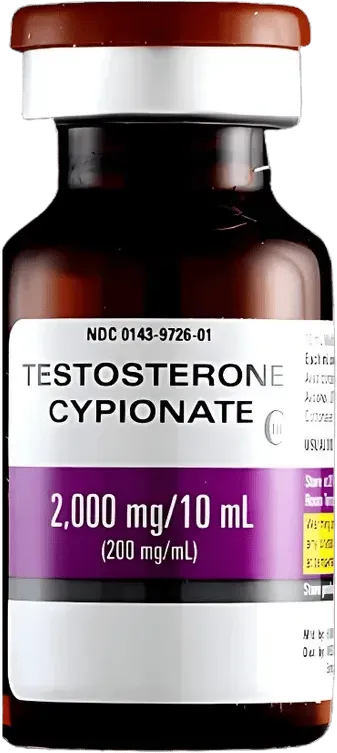
Testosterone Cypionate
Pregnyl (hCG)
Gold Standard for TRT optimization
Bioidentical testosterone restores
natural hormone function in the body.
✅ Eliminate 'deep empty energy' feeling
✅ Restore confidence & self-esteem
✅ Boost mood & mental clarity
Consultation & blood work required
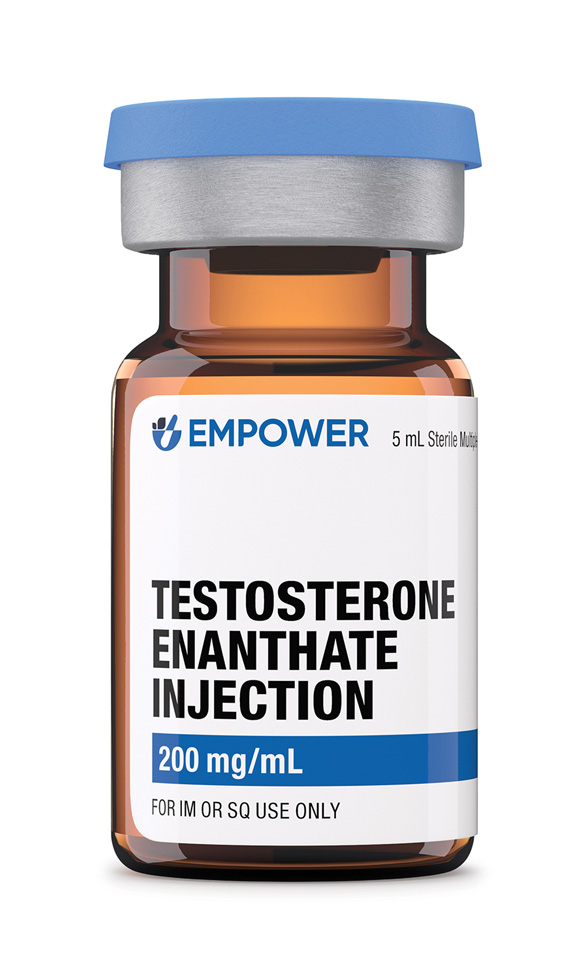
Testosterone Enanthate
Pregnyl (hCG)
Bioidentical testosterone restores
natural hormone function in the body
✅ Long-acting testosterone replacement
✅ Activates androgen receptors
✅ Eliminates persistent fatigue & low energy
Consultation & blood work required
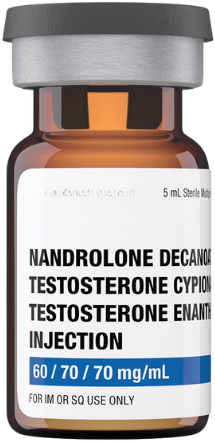
Nandrolone Decanoate
Testosterone Cypionate
Testosterone Enanthate
✅ Restore mental & physical confidence
✅ Boost mental clarity
✅ Supports energy and joints
includes hCG
Consultation and blood work required
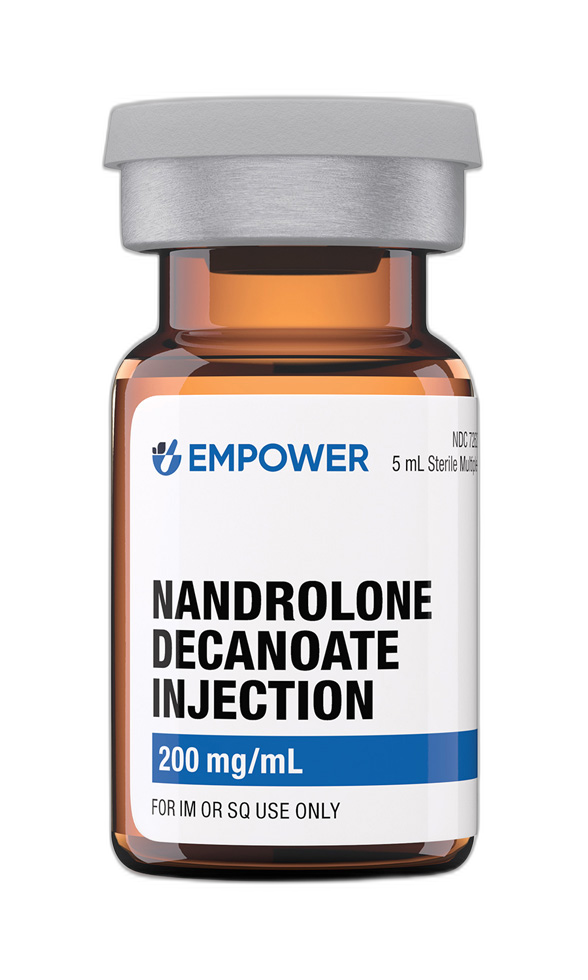
Nandrolone Decanoate
19-nortestosterone derivative that binds
androgen receptors
✅ Indicated for anemia in renal insufficiency
✅ Supports protein synthesis
✅ Preserves lean tissue in caloric deficiency
Consultation & blood work required
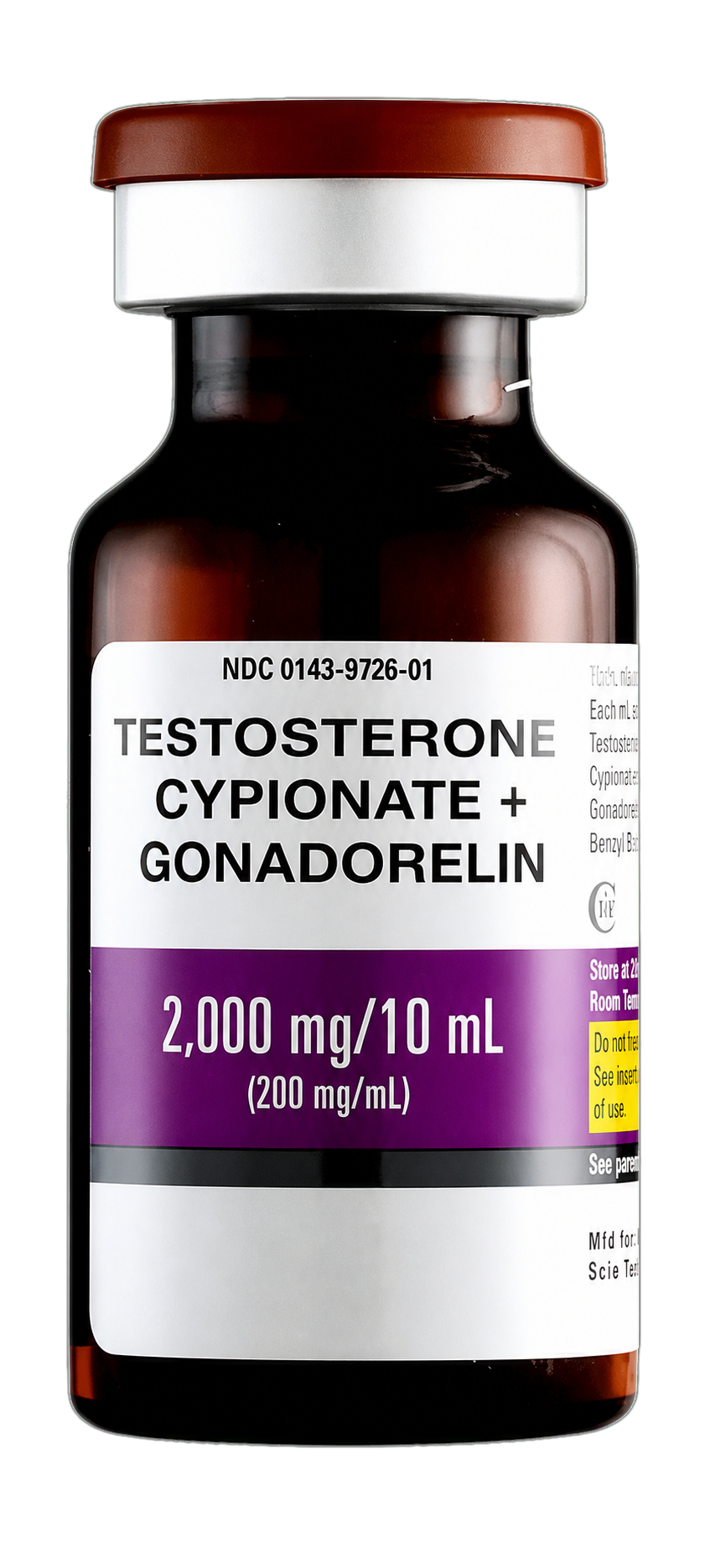
Testosterone Cypionate
Gonadorelin
✅ Long-acting testosterone ester for TRT
✅ Stimulates pituitary LH + FSH signaling
✅ Supports HPG axis pathway modulation
Consultation & care coordination included
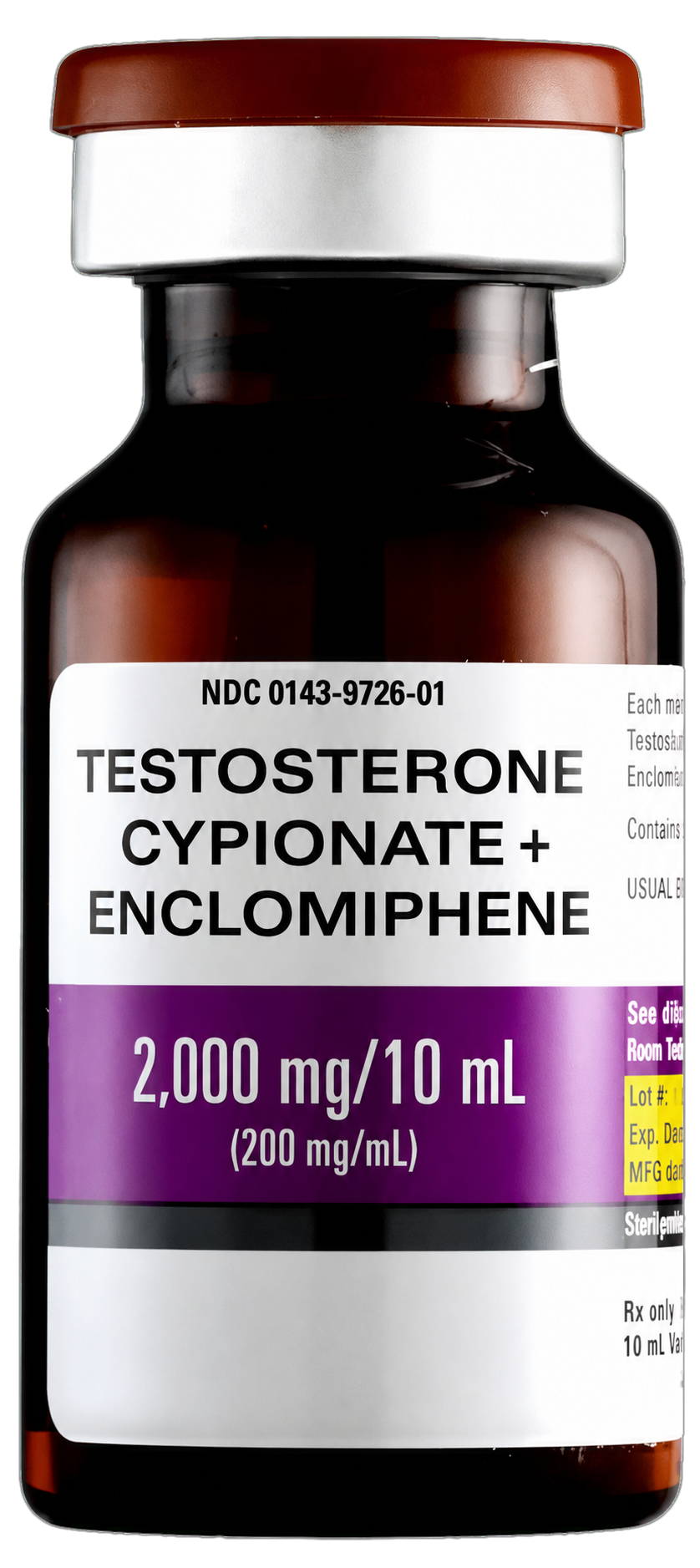
Testosterone Cypionate
Enclomiphene
✅ Long-acting testosterone
✅ Stimulates endogenous LH + FSH production
✅ Supports androgen receptor activation
Consultation & care coordination included
Oxandrolone
DHT-derived anabolic that binds
androgen receptors
✅ Increases bone mineral density
✅ Preserves lean tissue
✅ Supports nitrogen retention
Consultation & blood work required
Testosterone Boosters
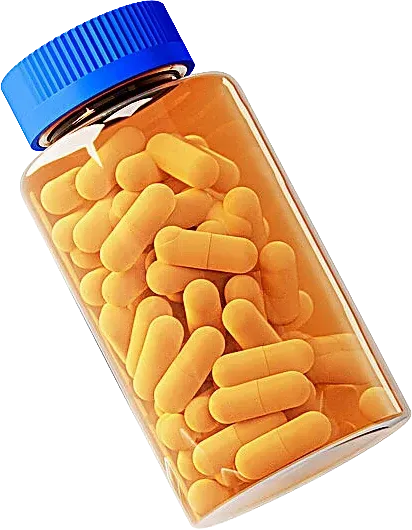
Enclomiphene
Selective estrogen receptor modulator
signals the brain to produce LH & FSH
✅ Raise testosterone without injections
✅ Protect sperm count and fertility
✅ Oral pill, taken once daily
Consultation & care coordination included
T-Booster
4 in 1: Enclomiphene + DHEA
Pregnenolone + Zinc
✅ Boost natural total testosterone
✅ Elevate energy & libido
✅ Increase sperm production
Consultation & care coordination included
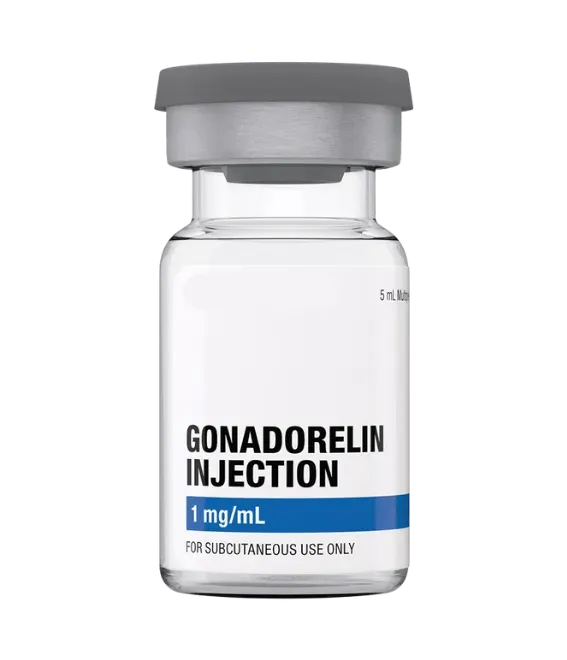
Gonadorelin
GnRH peptide stimulates the pituitary
to release LH and FSH
✅ Supports pituitary-testicular axis
✅ Naturally increase testosterone
✅ Naturally boost sperm load
Consultation & care coordination included
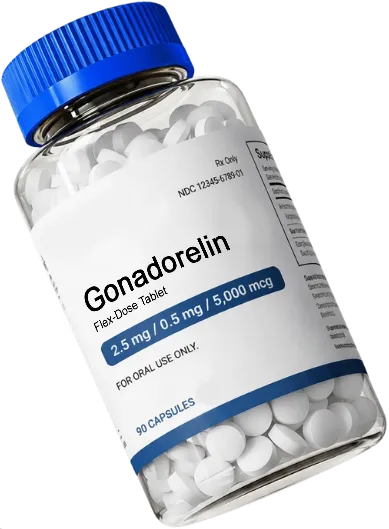
Gonadorelin
✅ Stimulates LH + FSH release
✅ Supports endogenous testosterone signaling
✅ Regulates HPG axis activity
Consultation & care coordination included

Gonadorelin + DHEA
Pregnenolone
✅ Stimulates LH + FSH signaling
✅ Supports sperm production
✅ Supports natural T production
Consultation & care coordination included
Gonadorelin + DHEA
Pregnenolone
Tadalafil
✅ Supports endogenous hormone signaling
✅ Added PDE5 blood-flow enhancement
✅ Fast-acting sublingual troche delivery
Consultation & care coordination included
Gonadorelin
Enclomiphene
✅ Stimulates LH/FSH via GnRH + SERM
✅ Supports endogenous testosterone production
✅ Targets full HPG axis activation
Consultation & care coordination included
Gonadorelin + Pregnenolone
Enclomiphene + DHEA
✅ Pituitary + hormonal precursor stimulation
✅ Supports upstream hormone cascade
✅ Broad endocrine signaling optimization stack
Consultation & care coordination included
Gonadorelin + Tadalafil
Enclomiphene + Oxytocin
✅ HPG axis activation
✅ Adds bonding + neurochemical modulation
✅ PDE5 inhibition supports vascular response
Consultation & care coordination included
Gonadorelin
Enclomiphene + Oxytocin
Tadalafil + PT-141
✅ Multi-pathway hormonal activation
✅ Central libido signaling
✅ Peripheral + vascular support
Consultation & care coordination included
7-Keto DHEA + DHEA + Zinc
Enclomiphene + Tadalafil
✅ Supports endogenous hormone signaling
✅ Enhances androgen pathway support
✅ Added PDE5 blood-flow enhancement
Consultation & care coordination included
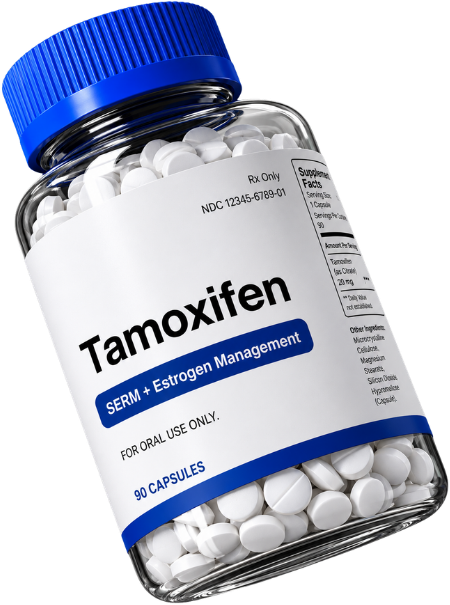
Tamoxifen
✅ Estrogen receptor modulation
✅ Supports LH/FSH signaling
✅ Hormonal balance support
Consultation & care coordination included
T-Boosters + Libido
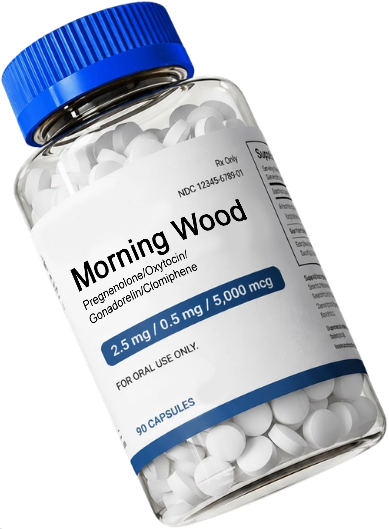
Morning Wood
Pregnenolone + Oxytocin
Gonadorelin + Clomiphene
✅ Increases sperm load
✅ Supports endogenous testosterone
✅ Supports libido & arousal
Consultation & care coordination included
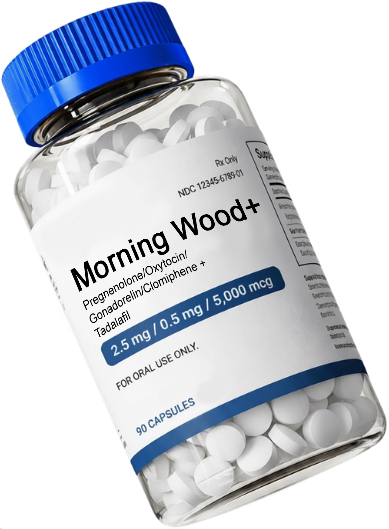
Morning Wood Plus
Pregnenolone + Oxytocin + Gonadorelin
Clomiphene + Tadalafil
✅ Increases sperm load
✅ On demand erections
✅ Naturally increases testosterone
Consultation & care coordination included
Gonadorelin
✅ Stimulates LH + FSH release
✅ Supports endogenous testosterone signaling
✅ Regulates HPG axis activity
Consultation & care coordination included
Gonadorelin + Tadalafil
Enclomiphene + Oxytocin
✅ HPG axis activation
✅ Adds bonding + neurochemical modulation
✅ PDE5 inhibition supports vascular response
Consultation & care coordination included
Gonadorelin
Enclomiphene + Oxytocin
Tadalafil + PT-141
✅ Multi-pathway hormonal activation
✅ Central libido signaling
✅ Peripheral + vascular support
Consultation & care coordination included
Fertility / Production Support
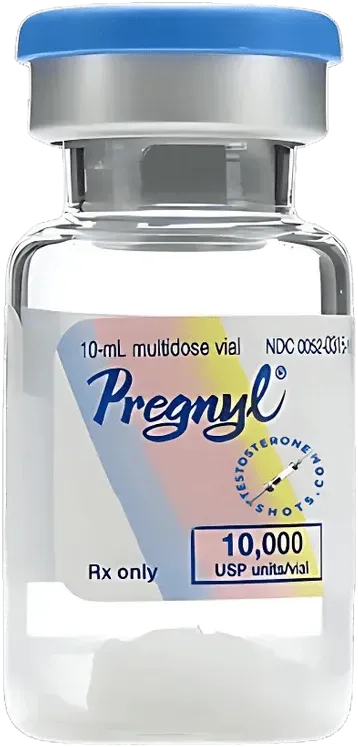
Pregnyl (hCG)
FDA-approved brand-name
human chorionic gonadotropin
✅ Mimics luteinizing hormone (LH)
✅ Increases sperm quantity & quality
✅ Intratesticular testosterone production
Consultation & care coordination included
Diagnostics

TRT Bloodwork
Baseline labs for TRT diagnosis:
Total Testosterone, PSA, CBC, CMP
✅ Quest Diagnostics
✅ Prostate Level
✅ Liver & Kidney Function
Includes provider order & results review
Information presented here is for educational purposes only and not intended to replace or substitute guidance from a healthcare provider. Compounded medications are not FDA-approved nor evaluated by the FDA for safety, efficacy, or quality.
Schedule Consultation
Testosterone Cypionate vs. Enanthate vs. Nandrolone vs. Oxandrolone
A side-by-side clinical comparison of four commonly prescribed anabolic compounds — covering pharmacokinetics, route, dosing, aromatization, androgenic profile, and primary clinical indications.
Side-by-Side Clinical Profile
Every clinically relevant parameter across all four compounds in one place.
| Parameter | Testosterone Cypionate |
Testosterone Enanthate |
Nandrolone Decanoate |
Oxandrolone |
|---|---|---|---|---|
| Route | IM Injection | IM Injection | IM Injection | Oral |
| Dose | 100 mg/wk | 100 mg/wk | 50–100 mg/wk | 10–12.5 mg q12h |
| Half-Life | 8 days | 4.5 days | 6–12 days | 9–10 hours |
| Injection Freq. | Once weekly | Once weekly | Once weekly | Oral daily |
| Anabolic : Androgenic | 1 : 1 | 1 : 1 | 10 : 1 | 10 : 1 |
| Bioavailability | ∼100% | ∼100% | ∼100% | ∼97% |
| Aromatization | Moderate | Moderate | Low | None |
| Estrogen Risk | Monitor | Monitor | Minimal | None |
| DHT Conversion | Yes | Yes | Minimal | None |
| HPTA Suppression | High | High | High | Moderate |
| Hepatotoxicity | None | None | None | Monitor |
| Water Retention | Moderate | Moderate | Low | None |
| FDA Approved | Hypogonadism | Hypogonadism | Renal Anemia | Wasting / Bone |
| Schedule | CIII | CIII | CIII | CIII |
Pharmacological Profile Comparison
Radar analysis across six clinical domains and a metric-by-metric bar comparison.
Best Suited For
Primary clinical scenarios where each compound is most appropriate based on mechanism, profile, and FDA-approved indications.
Lab & pharmacy partners





Is Testosterone Treatment Right for You?
If you:
Experience persistent low energy despite rest and nutrition
Feeling depleted or have no energy
Feel decreased drive or motivation
Prefer convenient, online medical care
Testosterone treatment may be the solution you’ve been missing.
All eligibility is reviewed by a licensed medical professional.
How Testosterone Treatments Restore Vitality & Strength
Testosterone does more than regulate hormones — it supports energy, drive, and overall vitality
Optimizing levels to support natural functions that decline with age or imbalance.
Increased Energy & Stamina
Helps elevate daily vitality so you feel more alert and capable without relying on stimulants or excessive rest.
Metabolic Support
Helps regulate body composition and appetite so you can maintain a healthy weight without extreme restriction or relying solely on willpower.
Enhanced Mood & Drive
Aids in balancing emotional well-being and libido, leading to greater confidence and motivation in daily life.
Individual results may vary. Benefits described are based on clinical and pharmacological evidence and do not constitute a guarantee of treatment outcomes. All treatment requires evaluation and approval by a licensed provider.
Simple. Medical. Personalized.
Medical intake
Answer a few online questions about your health history, lifestyle, & goals. No clinic visits required.
Provider evaluation
A licensed medical provider reviews your intake to determine the safest, personalized treatment.


Personalized plan
Custom treatment plan built around your unique health needs, goals, medical history, & biology.

Ongoing support
Stay connected with your care team for follow-ups, adjustments, & expert answers 100% online.
FAQs
What is testosterone optimization?
Testosterone optimization is a provider-guided approach to evaluating testosterone levels, symptoms, health history, and lab results to determine whether treatment may be appropriate. It is not one-size-fits-all, and treatment approval is not guaranteed.
Who is testosterone treatment for?
Testosterone treatment may be considered for adult men with symptoms of low testosterone and lab results that support a clinical diagnosis. Common symptoms may include low energy, reduced libido, decreased motivation, mood changes, difficulty building or maintaining muscle, and reduced sexual function.
Do I need lab work before testosterone treatment?
Yes. Lab work is required before testosterone treatment can be prescribed. Your provider needs objective data, not symptoms alone, to determine whether treatment is appropriate and safe.
What labs are commonly reviewed for TRT?
Common labs may include total testosterone, free testosterone, CBC, CMP, estradiol, PSA when appropriate, LH, FSH, lipids, thyroid markers, and other labs based on your medical history and provider judgment.
Do I need a prescription?
Yes. Testosterone treatments require a prescription from a licensed healthcare provider after review of your intake, symptoms, medical history, and lab results. Submitting an intake form does not guarantee approval.
Are you a pharmacy?
No. Testosterone Shots is not a pharmacy. We provide telehealth consultations, clinical review, and care coordination. If treatment is approved, your prescription is sent to a licensed pharmacy partner, who handles medication payment, fulfillment, and shipping directly with you.
Do you sell testosterone?
No. Testosterone Shots does not sell, manufacture, handle, dispense, or ship prescription medication. Patients pay Testosterone Shots for consultation, clinical review, care coordination, lab-related services, and treatment management. Medication payment is handled directly by the licensed pharmacy partner if treatment is approved.
How does the testosterone treatment process work?
Start with a secure medical intake and lab work. A licensed provider reviews your symptoms, health history, and lab results. If treatment is approved, your prescription is sent to a licensed pharmacy partner, who will contact you directly to complete medication payment and shipping.
How soon can I expect to notice improvements?
Some patients may notice changes in energy, mood, libido, or motivation within several weeks, but results vary. Lab changes may be reviewed on follow-up blood work, and full treatment optimization can take several months depending on baseline levels, dose adjustments, lifestyle, and individual response.
Will TRT affect fertility?
Yes. Exogenous testosterone suppresses LH and FSH, which reduces sperm production and can impair fertility. Patients who wish to preserve fertility should discuss alternatives such as enclomiphene, gonadorelin, and Pregnyl (hCG) with their provider before starting TRT. Testosterone optimization is safe when supervised by a medical provider with routine blood work monitoring. Patients are prohibited from increasing the dose or duration without medical provider approval. Testosterone can increase hemoglobin and hematocrit, which thickens the blood and may elevate blood pressure or increase the risk of blood clots. To maintain safe levels, patients are required to donate blood every 6 months. High-risk patients with a history of hypertension, hyperlipidemia, diabetes, or obesity should donate blood every 3 months. Like any medical therapy, testosterone carries potential risks and side effects such as acne, mood changes, or changes in blood markers, which is why regular monitoring and blood work are essential to ensure safety.
What is hCG used for with testosterone treatment?
hCG may be discussed in certain cases to support testicular function or fertility-related goals. It is not required for every patient. Whether hCG is appropriate depends on your labs, symptoms, fertility goals, medical history, and provider review.
What is enclomiphene?
Enclomiphene is a medication that may support the body’s own testosterone signaling by influencing LH and FSH pathways. It may be considered for certain patients who want to support natural testosterone production or fertility-related goals, depending on provider review.
What is gonadorelin?
Gonadorelin is a GnRH-related medication that may stimulate pituitary signaling involved in LH and FSH release. It may be reviewed as part of certain hormone-support protocols when clinically appropriate.
Can testosterone raise hematocrit?
Yes. Testosterone therapy can increase red blood cell production, which may raise hemoglobin and hematocrit. Elevated hematocrit can increase health risks, so routine blood work is important. Your provider may adjust your dose, pause treatment, request follow-up labs, or recommend blood donation when clinically appropriate.
Do I have to donate blood while on TRT?
Not everyone needs to donate blood. Blood donation or therapeutic phlebotomy may be recommended if hematocrit becomes elevated or if your provider determines it is appropriate based on your labs and risk factors.
What are possible side effects of testosterone therapy?
Possible side effects may include acne, oily skin, mood changes, fluid retention, increased hematocrit, changes in blood pressure, changes in cholesterol, breast tenderness, sleep apnea worsening, reduced fertility, testicular shrinkage, and changes in prostate markers. Your provider will review risks based on your health history.
Is testosterone treatment safe?
Testosterone treatment may be appropriate for some patients when prescribed and monitored by a licensed provider. Safety depends on your medical history, labs, dose, follow-up monitoring, and risk factors. Routine blood work is important.
Who should not use testosterone therapy?
Testosterone therapy may not be appropriate for patients with certain conditions, including untreated severe sleep apnea, uncontrolled heart disease, recent heart attack or stroke, elevated hematocrit, certain prostate or breast cancers, or patients trying to preserve fertility without discussing options with a provider first.
How often do I need follow-up labs?
Follow-up lab timing depends on your provider’s protocol and your individual response. Many providers recheck labs within the first few months after starting or adjusting therapy, then continue periodic monitoring over time.
Can testosterone improve libido and sexual function?
Low testosterone can contribute to reduced libido and sexual symptoms in some men. If clinically appropriate, treatment may help support sexual health, but erectile dysfunction can also involve blood flow, stress, medication side effects, cardiovascular health, diabetes, or other causes.
Is testosterone the same as steroids?
Prescription testosterone therapy is a medically supervised treatment used when clinically appropriate. It is different from non-medical anabolic steroid misuse. Testosterone should only be used as prescribed and monitored by a licensed healthcare provider.
How long do patients stay on TRT?
TRT may be an ongoing therapy when clinically appropriate. Your provider will monitor your labs, symptoms, side effects, and treatment response over time to determine whether continuing treatment remains appropriate.
Can I stop testosterone therapy?
Do not stop or change testosterone therapy without speaking with your provider. Stopping suddenly may cause symptoms to return or hormone levels to change. Your provider can help guide next steps safely.
When should I seek emergency care?
Seek emergency care for chest pain, shortness of breath, fainting, symptoms of stroke, severe allergic reaction, severe leg swelling or pain, or any urgent medical symptoms. Do not use this service for medical emergencies.
Can I get testosterone treatment without insurance?
Yes. Insurance is not required for the online consultation and clinical review. Medication costs, if any, are handled directly by the licensed pharmacy partner if treatment is approved.
Contact Us

© 2026 TestosteroneShots.com, PC
text (323)-283-9219
638 1/2 N. Robertson Blvd, West Hollywood, CA 90069
Legal

The information and clinical services described on this website are for educational and informational purposes only and are not intended to diagnose, treat, cure, or prevent any disease. All treatments require evaluation and approval by a licensed healthcare provider through a telemedicine consultation. Treatment approval is not guaranteed. Individual results may vary, and treatments may carry risks and side effects. Certain compounded medications, wellness treatments, or off-label uses may not be evaluated by the U.S. Food and Drug Administration (FDA) for safety, effectiveness, or quality unless explicitly stated. Testosterone Shots provides telehealth consultations, clinical review, care coordination, lab-related services, membership services, and ongoing treatment management. Testosterone Shots is not a pharmacy and does not manufacture, compound, dispense, sell, handle, warehouse, ship, or collect payment for prescription medication. Testosterone Shots collects payment only for consultations, clinical review, care coordination, lab-related services, membership services, and other non-pharmacy services. If treatment is approved, your prescription may be sent to a licensed pharmacy partner. The pharmacy contacts you directly to complete medication payment and shipping. Services are provided by licensed physicians, nurse practitioners, and/or other licensed healthcare providers in states where they are authorized to practice. This service is not intended for medical emergencies. If you are experiencing an emergency, call 911 or seek immediate medical care. We take reasonable measures to protect personal health information in accordance with applicable privacy laws, including HIPAA. By using this website or its services, you agree to our Terms of Service, Privacy Policy, Notice of Privacy Practices, Telehealth Consent, and Important Safety Information. You must be 18 years of age or older to use this service.