

Appetite Control
Semaglutide
A GLP-1 receptor agonist that blocks cravings, slows digestion, and helps you get full sooner and stay full longer.
No Insurance Required
Ships From USA Pharmacy
Free Medical Consultation
Syringes Included
No Subscription Required
Licensed Provider
Licensed Pharmacy
HIPAA Compliant
LegitScript Certified
Overview
GLP-1 Receptor Agonist
Semaglutide is a synthetic analog of human glucagon-like peptide-1. It binds to GLP-1 receptors in the brain, gut, and pancreas to regulate appetite, gastric motility, and glucose metabolism.
Mechanism of Action
Slows gastric emptying, suppresses glucagon secretion, enhances glucose-dependent insulin release, and reduces appetite signaling in the hypothalamus. The result is reduced caloric intake, improved blood sugar control, and sustained weight loss.
Injection
Administered subcutaneously once weekly.
Information presented here is for educational purposes only and not intended to replace or substitute guidance from a healthcare provider. Compounded products are not FDA-approved nor evaluated by the FDA for safety, efficacy, or quality.
Benefits
Weight Loss
Reduction in body weight when combined
with reduced caloric intake and physical activity.
Reduced Cravings & Hunger
Acts on GLP-1 receptors in the hypothalamus to suppress appetite signaling and reduce food-seeking
behavior, particularly for high-calorie foods.
Full Sooner, Stay Full Longer
Slows gastric emptying so food remains in the stomach longer, increasing satiety per meal and reducing overall caloric intake without forced restriction.
Improved Insulin Sensitivity
Enhances glucose-dependent insulin secretion from pancreatic beta cells and suppresses inappropriate glucagon release, improving how the body processes and stores glucose.
Reduces Gut Inflammation
Reduce intestinal inflammation and support gut barrier integrity, contributing to improved gastrointestinal function.
Improved Nutrient Absorption
Slower gastric transit allows more complete digestion and absorption of nutrients from food.
Individual results may vary. Benefits described are based on clinical and pharmacological evidence and do not constitute a guarantee of treatment outcomes. All treatment requires evaluation and approval by a licensed provider.
Simple. Medical.
Personalized.

Medical intake
Answer a few online questions about your health history, lifestyle, & goals. No clinic visits required.
Provider evaluation
A licensed medical provider reviews your intake to determine the safest, personalized treatment.


Personalized plan
Custom treatment plan built around your unique health needs, goals, medical history, & biology.

Ongoing support
Stay connected with your care team for follow-ups, adjustments, & expert answers 100% online.
FAQs
What is Semaglutide?
Semaglutide is a prescription therapy used for weight management and appetite regulation.
Who should use Semaglutide?
Patients seeking support for weight management and appetite regulation may qualify after evaluation by a licensed provider.
Does Semaglutide require a prescription?
Yes. Semaglutide is a compounded prescription preparation dispensed pursuant to a valid prescription from a licensed healthcare provider. A telehealth consultation, medical intake, and provider evaluation are required to screen for contraindications and establish an individualized titration protocol.
What are the possible side effects?
Common side effects are predominantly gastrointestinal and most frequent during dose escalation — including nausea, vomiting, diarrhea, constipation, abdominal discomfort, reduced appetite, and dyspepsia. Most patients find these effects diminish as the body adjusts to each dose level. Injection site reactions may occur. Hypoglycemia risk is low when Semaglutide is used alone but increases significantly when combined with insulin or sulfonylureas. Post-marketing reports have described mood changes in some patients on GLP-1 agents; those with a psychiatric history should be monitored. Report all side effects to your provider promptly.
Who should not use Semaglutide?
Semaglutide is contraindicated in patients with a personal or family history of medullary thyroid carcinoma or Multiple Endocrine Neoplasia syndrome type 2. Patients with known hypersensitivity to semaglutide, cyanocobalamin, or any component of the formulation should not use this preparation. Those with Leber's hereditary optic neuropathy should not receive cyanocobalamin-containing preparations without specialist evaluation. This medication is contraindicated during pregnancy. Patients with a history of pancreatitis, severe gastroparesis, or significant renal or hepatic dysfunction require individualized provider assessment.
Are there any drug interactions?
Semaglutide's gastric-emptying delay can reduce absorption and alter timing of orally administered medications including oral contraceptives, thyroid hormone, and warfarin. Patients on insulin or sulfonylureas face elevated hypoglycemia risk when Semaglutide is added — dose reductions of those agents are often needed. Metformin reduces B12 absorption over time, making the cyanocobalamin component particularly relevant for patients on this medication. Discuss all current medications with your provider before beginning treatment.
Is Semaglutide safe if I have a pre-existing medical condition?
Patients with a personal or family history of medullary thyroid carcinoma or MEN2 must not use Semaglutide. Those with type 1 diabetes, pancreatitis history, or significant renal or hepatic conditions require careful individualized review. Patients with cardiovascular disease may be treated under close provider supervision. Your provider requires a complete medical history before prescribing and will determine suitability based on your individual profile.
Contact Us
Start Your Journey
Start Your
Weight Loss Journey
Physician-supervised. Delivered to your door.
No clinic visits required.
Licensed Provider
Licensed Pharmacy
HIPAA Compliant
LegitScript Certified
Optimize Your Protocol
These treatments work synergistically with your current protocol to accelerate results and improve long-term outcomes.

Testosterone Cypionate
$200/Month

MIC Injection
$150
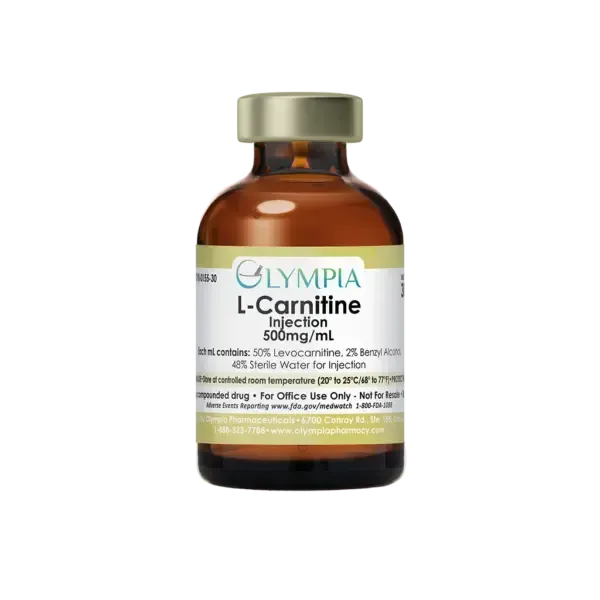
L-Carnitine
$150

Tirzepatide
$250

Weight Loss & Metabolic Panel
$199
Complete Biomarker Panel
$349
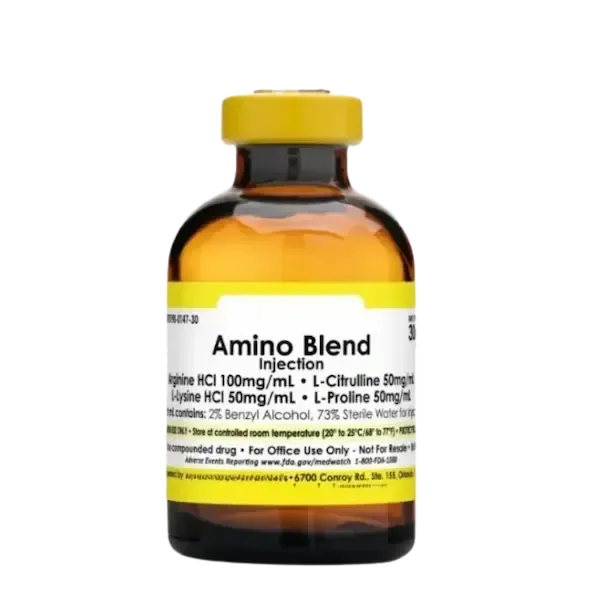
Amino Blend
$150

© 2026 TestosteroneShots.com, PC
text (323)-283-9219
638 1/2 N. Robertson Blvd, West Hollywood, CA 90069
Legal

The information and clinical services described on this website are for educational and informational purposes only and are not intended to diagnose, treat, cure, or prevent any disease. All treatments require evaluation and approval by a licensed healthcare provider through a telemedicine consultation. Treatment approval is not guaranteed. Individual results may vary, and treatments may carry risks and side effects. Certain compounded medications, wellness treatments, or off-label uses may not be evaluated by the U.S. Food and Drug Administration (FDA) for safety, effectiveness, or quality unless explicitly stated. Testosterone Shots provides telehealth consultations, clinical review, care coordination, lab-related services, membership services, and ongoing treatment management. Testosterone Shots is not a pharmacy and does not manufacture, compound, dispense, sell, handle, warehouse, ship, or collect payment for prescription medication. Testosterone Shots collects payment only for consultations, clinical review, care coordination, lab-related services, membership services, and other non-pharmacy services. If treatment is approved, your prescription may be sent to a licensed pharmacy partner. The pharmacy contacts you directly to complete medication payment and shipping. Services are provided by licensed physicians, nurse practitioners, and/or other licensed healthcare providers in states where they are authorized to practice. This service is not intended for medical emergencies. If you are experiencing an emergency, call 911 or seek immediate medical care. We take reasonable measures to protect personal health information in accordance with applicable privacy laws, including HIPAA. By using this website or its services, you agree to our Terms of Service, Privacy Policy, Notice of Privacy Practices, Telehealth Consent, and Important Safety Information. You must be 18 years of age or older to use this service.