

Regain Thicker, Healthier Hair
Licensed Providers
LegitScript Certified
Licensed Pharmacies
No Insurance Required
No Subscription Required
Free Medical Consultation
Explore by Rx Treatment
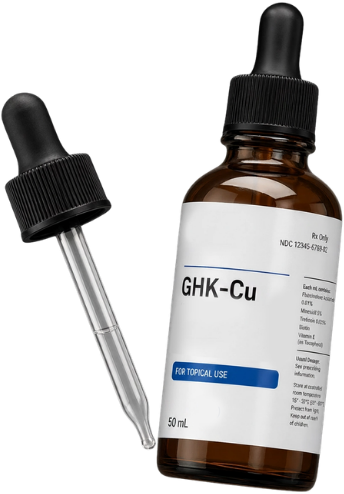
GHK-Cu 3%
Copper peptide serum activates dormant
follicles & promotes thicker regrowth
✅ Reactivates dormant hair follicles
✅ Stimulates collagen in the scalp
✅ Reduces inflammation & shedding
Consultation & care coordination included

Finasteride
Minoxidil + Biotin
Triple-action combining DHT blocker,
follicle stimulant, & vitamin
✅ Blocks DHT to stop follicle shrinkage
✅ Minoxidil widens follicles for growth
✅ Biotin strengthens hair from within
Consultation & care coordination included
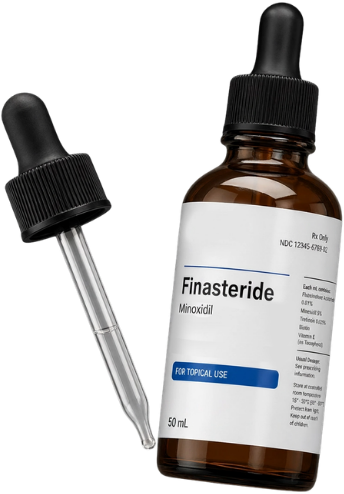
Finasteride + Minoxidil
The gold standard. DHT blocker &
follicle growth stimulant
✅ Clinically proven DHT suppression
✅ Increases blood flow to follicles
✅ Slows loss & promotes regrowth
Consultation & care coordination included
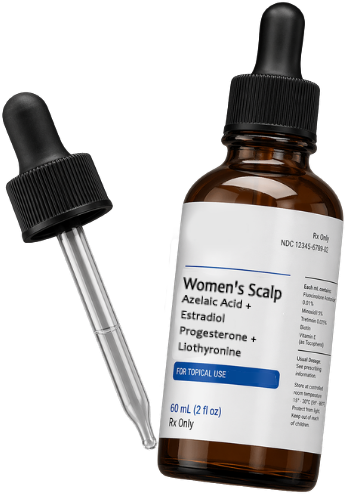
Azelaic Acid + Estradiol
Progesterone + Liothyronine
Women's Scalp Solution
✅ Formulated for female hair loss patterns
✅ Addresses hormonal & stress shedding
✅ Gentle, non-greasy daily application
Consultation & care coordination included
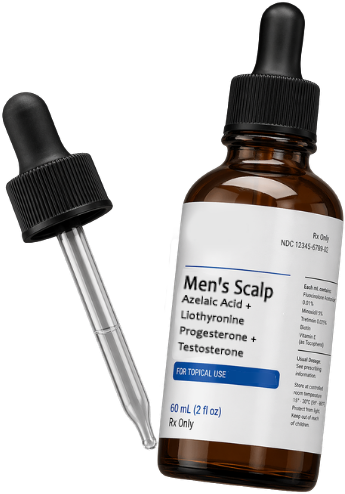
Azelaic Acid + Liothyronine
Progesterone + Testosterone
Men's Scalp Solution
✅ Targets male-pattern baldness directly
✅ Improves scalp circulation & health
✅ Easy daily topical application
Consultation & care coordination included
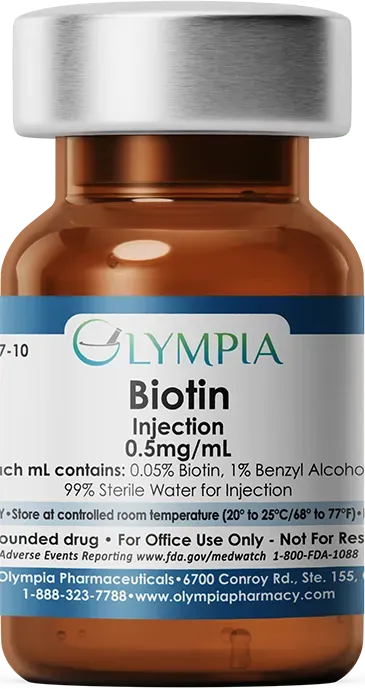
Biotin
High-dose vitamin B7
✅ Supports hair growth & thickness
✅ Strengthens brittle nails
✅ 100% absorption
Consultation & care coordination included
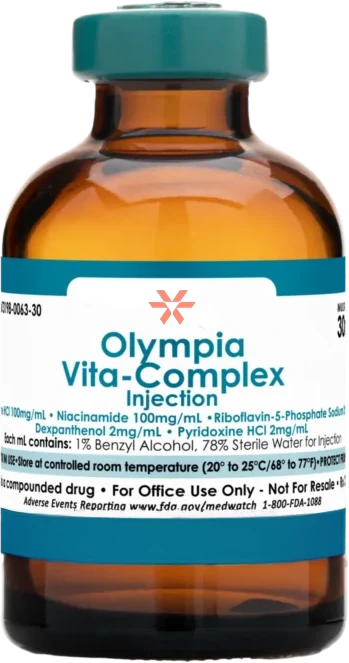
Vitamin B-Complex
B Vitamins: Thiamine + Riboflavin
Niacinamide + Dexpanthenol + Pyridoxine
✅ Stimulates Hair Follicles
✅ Enhances Blood Flow to Scalp
✅ Strengthens Hair & Brow Structure
Consultation & care coordination included
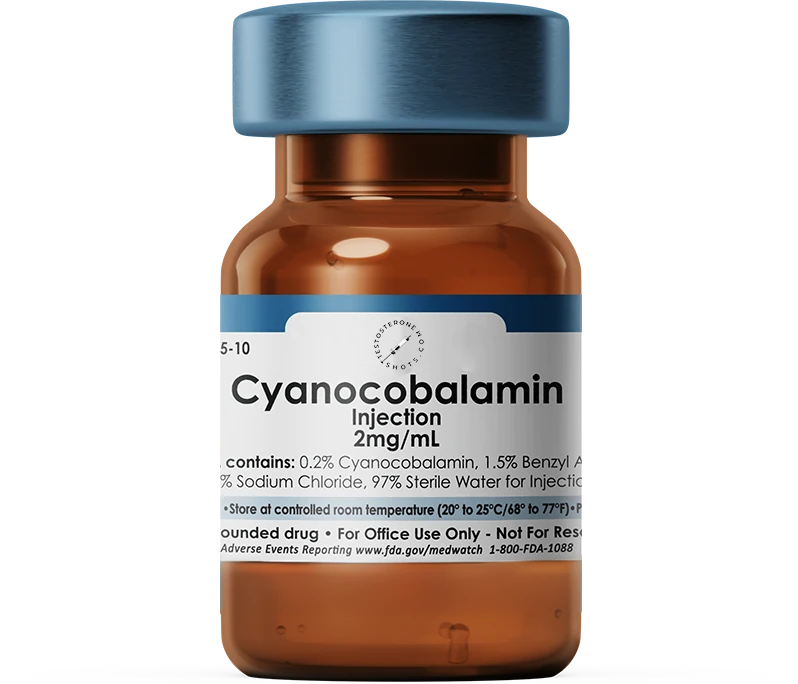
B12
Low levels of B12 are potential causes
of hair thinning and loss
✅ Boosts Oxygen Delivery to Follicles
✅ Reactivates Dormant Follicles
✅ Supports Keratin Production
Consultation & care coordination included
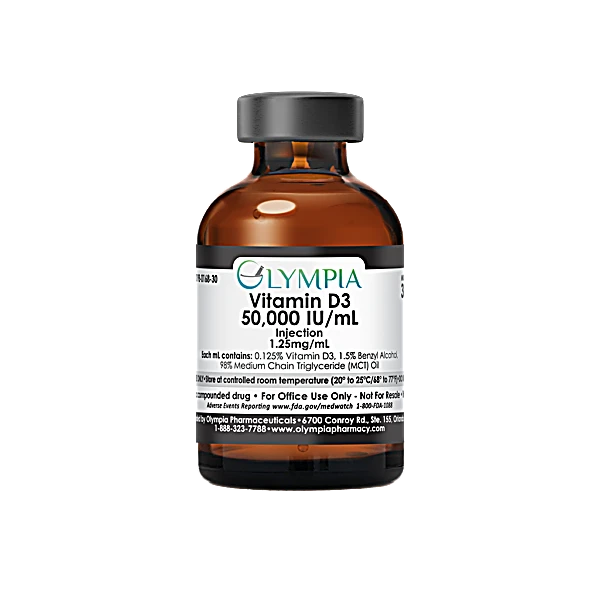
Vitamin D3
Low Vitamin D levels are associated
with thinning and shedding
✅ Activates hair follicles
✅ Supports new follicle formation
✅ Improves Scalp Health
Consultation & care coordination included
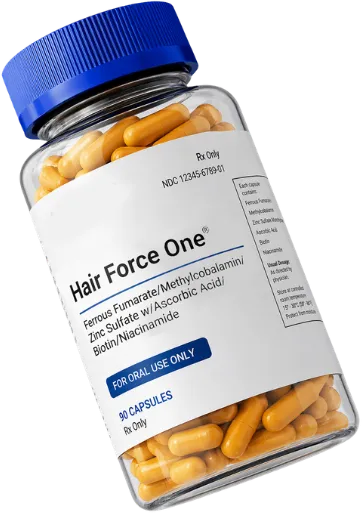
Ferrous + B12 + Zinc
Vitamin C + Biotin
Niacinamide
Hair Force One
✅ Multi-pathway hair regrowth
✅ Addresses iron, B12 & zinc deficiency
✅ Designed for aggressive hair restoration
Consultation & care coordination included
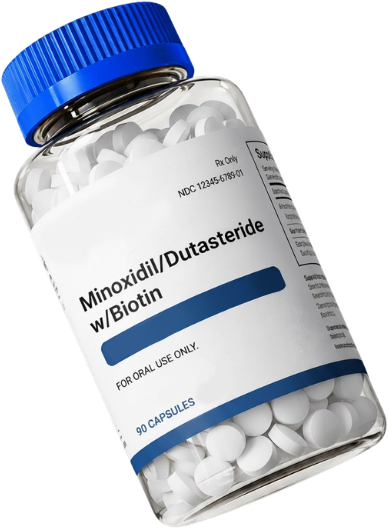
Minoxidil + Dutasteride
Biotin
✅ Stimulates growth (minoxidil)
✅ Blocks DHT (dutasteride)
✅ Supports hair strength (biotin)
Consultation & care coordination included
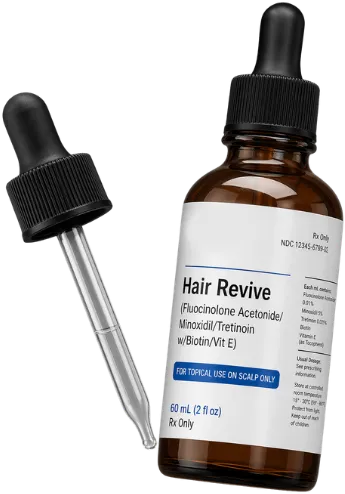
Minoxidil + Tretinoin
Fluocinolone + Biotin
Vitamin E
Hair Revive
✅ Increases blood flow
✅ Nourishes follicles
✅ Reduces inflammation
Consultation & care coordination included
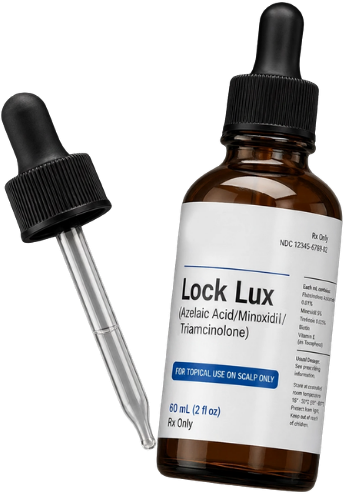
Azelaic Acid + Minoxidil
Triamcinolone
Lock Lux
✅ Strengthens hair follicles
✅ Reduces scalp inflammation
✅ Supports thicker hair growth
Consultation & care coordination included
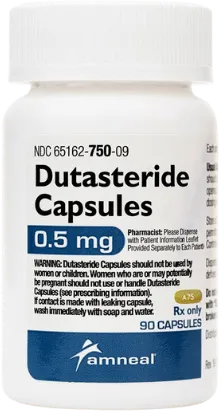
Dutasteride
DHT blocker
✅ Blocks DHT from TRT
✅ Stronger than finasteride
✅ Slows or reverses hair thinning
Consultation & care coordination included
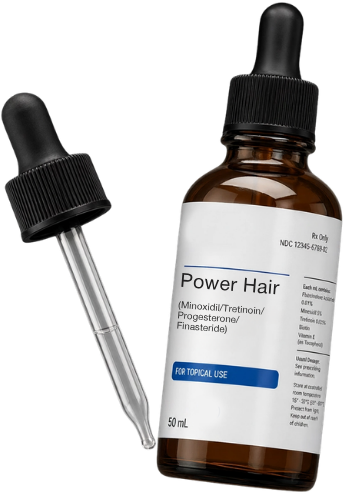
Minoxidil + Tretinoin
Progesterone + Finasteride
Power Hair
✅ Stimulates regrowth (minoxidil)
✅ Blocks DHT (finasteride + progesterone)
✅ Enhances absorption + follicle turnover (tretinoin)
Consultation & care coordination included
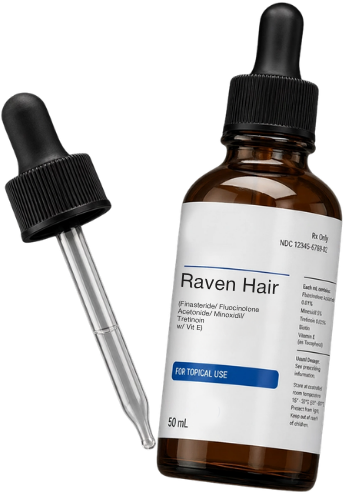
Finasteride + Fluocinolone
Minoxidil + Tretinoin
Vitamin E
Raven Hair
✅ Growth stimulation + DHT suppression
✅ Reduces scalp inflammation
✅ Improves penetration + follicle support
Consultation & care coordination included
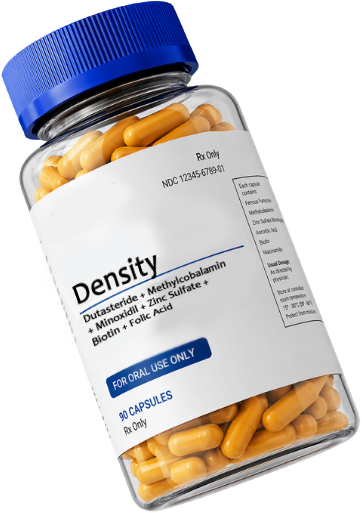
Dutasteride + Minoxidil + B12
Zinc + Biotin + Folate
Density
✅ Systemic DHT suppression
✅ Full-spectrum follicle nutrition
✅ Supports regrowth from inside-out
Consultation & care coordination included
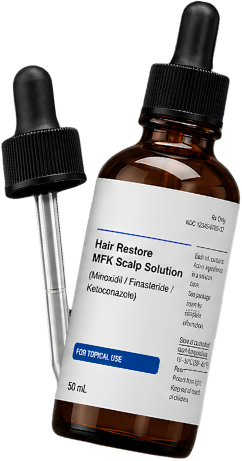
Minoxidil + Finasteride
Ketoconazole
✅ Growth stimulation
✅ Antifungal
✅ Improves density
Consultation & care coordination included
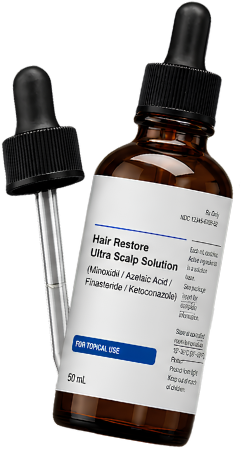
Minoxidil + Finasteride
Azelaic Acid
Ketoconazole
✅ Antifungal
✅ DHT suppression
✅ Thickening support
Consultation & care coordination included
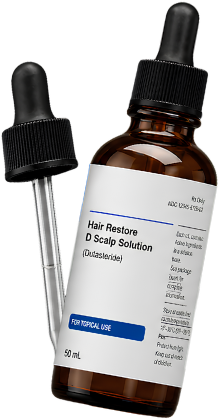
Dutasteride
✅ DHT reduction
✅ Hair retention support
✅ Follicle protection
Consultation & care coordination included
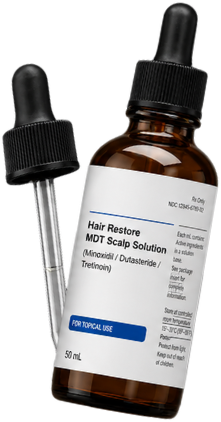
Minoxidil
Dutasteride + Tretinoin
✅ Regrowth support
✅ Enhanced penetration
✅ Scalp optimization
Consultation & care coordination included
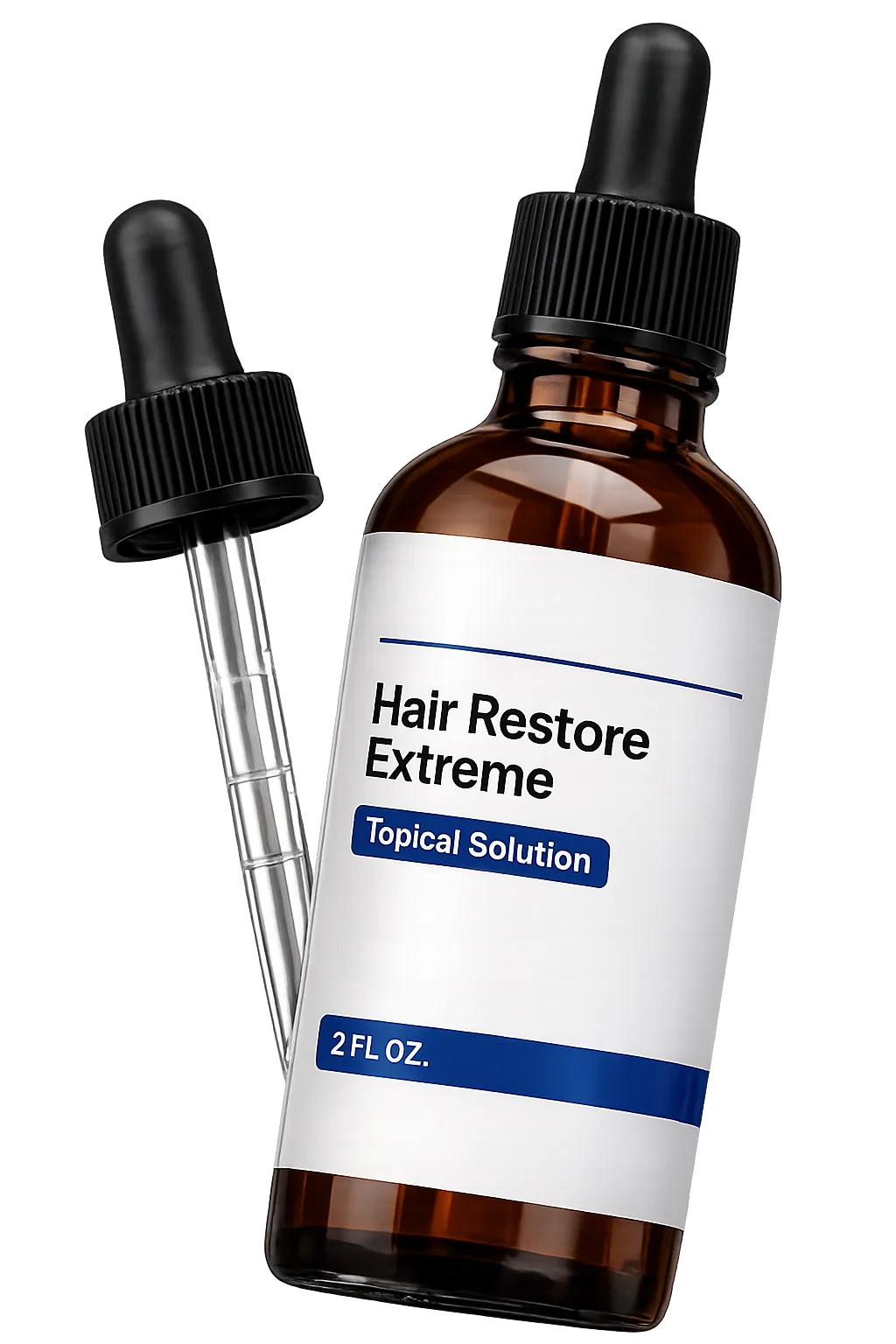
Minoxidil + Finasteride
Dutasteride + Tretinoin
Ketoconazole
Hair Restore Extreme Scalp Solution
✅ Stimulates regrowth
✅ Blocks DHT
✅ Antifungal
Consultation & care coordination included
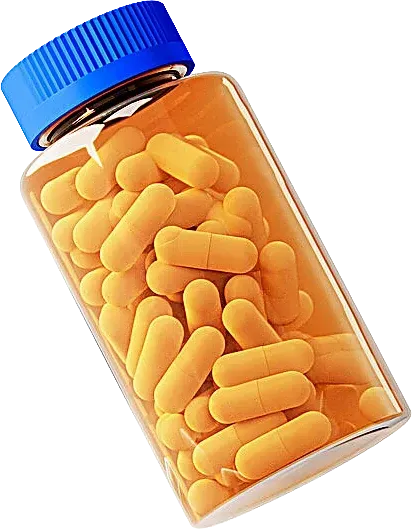
Finasteride 1 mg
✅ Stops hair loss at the hormonal root cause
✅ FDA-approved, once daily oral
✅ Preserves follicles before permanent loss
Consultation & care coordination included
Information presented here is for educational purposes only and not intended to replace or substitute guidance from a healthcare provider. Compounded medications are not FDA-approved nor evaluated by the FDA for safety, efficacy, or quality.
Need Help Finding the Right Hair Treatment?
Pharmacy partners




Could Medical Hair Therapy Work for You?
If you:
Notice thinning hair or receding hairline despite various over-the-counter attempts
Prefer convenient, virtual consultations without in-person clinic visits
Want a science-based, medically supervised approach
Experience increased shedding or slower regrowth
Hair loss treatment may be the solution you’ve been missing.
All eligibility is reviewed by a licensed medical professional.
How Hair Loss Treatments Restore Growth & Thickness
Hair loss isn’t just about genetics, it’s about how your follicles respond to hormonal signals, nutrient availability, and inflammation over time. Hair loss treatments work by targeting the underlying mechanisms that cause miniaturization and shedding, helping to support stronger, healthier regrowth from the scalp outward.
Reduced Shedding & Thinning
Helps block DHT or other factors that shrink follicles, allowing more hairs to stay in the growth phase longer.
Improved Hair Density & Coverage
Supports follicle stimulation and nutrient delivery to promote thicker, fuller-looking hair over time.
Healthier Scalp & Regrowth
Enhances circulation and reduces inflammation, creating a better environment for sustained hair recovery and vitality.
Individual results may vary. Benefits described are based on clinical and pharmacological evidence and do not constitute a guarantee of treatment outcomes. All treatment requires evaluation and approval by a licensed provider.
Treatment Science
Every Active Ingredient, Explained
All hair treatments on this page use prescription compounded formulas. Here is exactly what each ingredient does — and why it belongs in a hair restoration protocol.
A type II 5-alpha reductase inhibitor that prevents testosterone from converting into DHT inside the hair follicle.
DHT is the primary driver of follicular miniaturization in androgenetic alopecia. Finasteride reduces intrafollicular DHT by approximately 70%, stopping the shrinkage cycle and allowing follicles to return to a healthy growth phase. Topical formulas deliver it directly to the scalp with significantly less systemic absorption than oral pills.
A dual-isoenzyme 5-alpha reductase inhibitor that blocks both type I and type II enzymes — more potent than finasteride.
While finasteride blocks only type II (reducing DHT ~70%), dutasteride blocks both isoforms and suppresses serum DHT by up to 90%. This makes it the most potent available oral DHT blocker — especially critical for men on TRT, where exogenous testosterone further elevates DHT levels. It halts follicular miniaturization more completely and allows more robust follicle recovery.
A naturally occurring dicarboxylic acid that mildly inhibits 5-alpha reductase locally at the scalp — without systemic hormonal effects.
Azelaic acid reduces intrafollicular DHT production at the scalp level only, making it ideal for those who want DHT blockade without any systemic exposure. It also reduces perifollicular oxidative and inflammatory burden, creating a healthier environment for the follicle. Used in women's formulas where systemic DHT blockers like finasteride are contraindicated.
A naturally occurring sex hormone that competes at androgen receptors in the follicular unit and independently inhibits 5-alpha reductase.
Progesterone provides a second layer of androgen blockade by blocking DHT from binding to androgen receptors in the follicle and inhibiting the enzyme that converts testosterone to DHT. When combined with finasteride in a topical formula, it creates dual-pathway DHT protection. In women, it also counteracts estrogen dominance that can contribute to hair thinning.
A potassium channel opener originally developed as a blood pressure medication, now the most widely studied topical and oral hair growth agent.
Minoxidil relaxes smooth muscle in perifollicular blood vessels, dramatically increasing nutrient and oxygen delivery to dormant follicles. It also directly stimulates dermal papilla cell activity and prolongs the anagen (growth) phase — moving follicles out of the resting phase and back into active growth. Available in topical and oral forms; oral minoxidil provides systemic vasodilation for diffuse thinning.
A naturally occurring copper-binding tripeptide (Glycyl-L-Histidyl-L-Lysine) that declines with age and plays a key role in tissue repair and follicular regeneration.
GHK-Cu delivers bioavailable copper that activates lysyl oxidase — the enzyme responsible for extracellular matrix remodeling around the follicle. It upregulates VEGF to improve perifollicular microcirculation, suppresses TGF-beta-1 (which prematurely pushes follicles into regression), and directly extends the anagen phase. It rebuilds the entire follicular microenvironment rather than targeting a single pathway.
A prescription-strength retinoid (vitamin A derivative) that increases cell turnover, remodels the stratum corneum, and enhances scalp drug penetration.
Tretinoin increases stratum corneum permeability, significantly improving the absorption of co-delivered actives like minoxidil and finasteride. It also supports follicular keratinocyte regulation and cell renewal at the scalp level — helping maintain a healthier follicular unit. When combined with minoxidil, tretinoin amplifies its effectiveness by improving how much of the drug actually reaches the follicle.
A mid-potency topical corticosteroid that suppresses inflammatory cytokines and immune activation in the perifollicular tissue.
Chronic perifollicular inflammation is a major accelerant of follicular miniaturization — the immune system attacks and compresses follicles over time. Triamcinolone suppresses this local inflammatory environment, halting the inflammatory cascade that drives conditions including androgenetic alopecia, alopecia areata, and seborrheic dermatitis-associated shedding. By reducing inflammatory pressure on the follicle, it allows the growth signal to take hold.
A fluorinated topical corticosteroid that suppresses scalp inflammation and perifollicular immune overactivation contributing to hair loss.
Fluocinolone acetonide specifically targets the inflammatory alopecias — conditions where immune-mediated inflammation directly destroys follicles or pushes them prematurely into the resting phase. By suppressing perifollicular immune activation, it creates the environment needed for minoxidil and other growth agents to work. Particularly effective in inflammatory hair loss patterns that do not respond to DHT blockers alone.
The primary estrogen hormone, applied topically to the scalp to activate estrogen receptors in the outer root sheath and dermal papilla.
Estradiol plays a key protective role in the female hair follicle — it extends the anagen (growth) phase and directly opposes androgenic follicular signaling. Estrogen receptors in the outer root sheath respond to estradiol by slowing the progression from growth to regression. Topical application delivers it precisely where it's needed without significant systemic absorption. Loss of estradiol during perimenopause is one of the primary drivers of female-pattern hair thinning.
The active form of thyroid hormone (triiodothyronine), applied topically to activate thyroid receptors in the dermal papilla cells of the hair follicle.
Thyroid hormone receptors in the dermal papilla are directly involved in regulating the hair growth cycle. Liothyronine supports follicular metabolic activity, protein synthesis, and anagen maintenance at the cellular level. Even when systemic thyroid levels appear normal, local follicular thyroid receptor activity can be suboptimal. Topical T3 addresses this microenvironment deficiency directly at the follicle root.
Low-dose topical testosterone applied to the scalp to support androgen balance and follicular growth signaling in specific male hair loss formulas.
Paradoxically, while excess DHT drives follicular miniaturization, some level of androgen signaling is necessary for follicular activity. Low-dose topical testosterone in combination with DHT blockers (azelaic acid, progesterone) helps maintain follicular androgen tone without elevating intrafollicular DHT — supporting the dermal papilla's growth signaling while the formula simultaneously controls DHT at the scalp level.
A water-soluble B vitamin essential for keratin biosynthesis and fatty acid production in the hair follicle.
Keratin is the primary structural protein of the hair shaft. Biotin is a required cofactor for the carboxylase enzymes that drive keratin synthesis — without adequate biotin, hair becomes brittle, thin, and prone to breakage. It also supports fatty acid metabolism required for healthy follicular cell membrane integrity. Added to both topical and oral formulas to reinforce the structural quality of the hair being grown.
A highly bioavailable form of iron that replenishes depleted iron stores required for cellular DNA synthesis in rapidly dividing hair follicle cells.
The hair follicle matrix contains some of the fastest-dividing cells in the human body. Iron is required for ribonucleotide reductase — the rate-limiting enzyme in DNA synthesis for these cells. Iron deficiency is one of the most common and underdiagnosed causes of diffuse hair shedding (telogen effluvium) in both men and women. Restoring iron stores is often the single most impactful intervention for deficiency-driven hair loss.
The most bioavailable form of vitamin B12, essential for methylation reactions, red blood cell formation, and follicular cell proliferation.
B12 deficiency impairs DNA synthesis and red blood cell production, reducing the oxygen-carrying capacity of blood reaching the follicle. It supports the methylation cycle that regulates gene expression in follicular stem cells, and drives the cell proliferation needed to sustain active hair growth. Methylcobalamin is preferred over cyanocobalamin because it is immediately usable without conversion by the liver.
An essential trace mineral required for enzymatic activity, protein synthesis, and immune regulation within follicular tissue.
Zinc is a cofactor for over 300 enzymes involved in protein and DNA synthesis — both critical for the rapidly dividing cells of the hair matrix. It also inhibits 5-alpha reductase at physiological concentrations, providing mild androgen modulation. Zinc deficiency is associated with diffuse hair loss and delayed follicular recovery. It also supports the structural integrity of the hair protein network and regulates sebum production on the scalp.
A potent antioxidant and iron-absorption enhancer that converts ferric iron to the absorbable ferrous form in the gastrointestinal tract.
Vitamin C dramatically improves the bioavailability of iron from supplemental sources by converting ferric iron (Fe³⁺) to ferrous iron (Fe²⁺) — the only form absorbable in the small intestine. This makes it a critical co-factor in any iron-repletion protocol. Vitamin C also supports collagen synthesis in the perifollicular connective tissue sheath and provides antioxidant protection against free radical oxidative stress in the scalp environment.
A fat-soluble antioxidant that protects perifollicular lipid membranes from oxidative damage and supports the follicular microenvironment.
The perifollicular environment is exposed to significant oxidative stress from UV radiation, pollution, and inflammatory signaling. Vitamin E scavenges free radicals in the lipid bilayers surrounding follicular cells, preventing membrane damage that can impair follicular function and trigger premature catagen (regression). Applied topically, it also improves scalp hydration and tissue integrity, creating a more favorable environment for the growth-promoting actives to work.
Simple. Medical. Personalized.
Medical intake
Answer a few online questions about your health history, lifestyle, & goals. No clinic visits required.
Provider evaluation
A licensed medical provider reviews your intake to determine the safest, personalized treatment.
Personalized plan
Custom treatment plan built around your unique health needs, goals, medical history, & biology.

Ongoing support
Stay connected with your care team for follow-ups, adjustments, & expert answers 100% online.
FAQs
What is online hair restoration treatment?
Online hair restoration treatment allows eligible patients to complete a medical intake and receive licensed provider review for hair thinning, shedding, scalp health, and hair loss treatment options.
What hair loss concerns can be reviewed online?
Licensed providers may review male-pattern hair loss, female-pattern hair loss, thinning, shedding, scalp irritation, medication-related hair changes, and hormone-related hair concerns.
Are you a pharmacy?
No. Testosterone Shots is not a pharmacy. We provide telehealth consultations, clinical review, and care coordination. If treatment is approved, your prescription is sent to a licensed pharmacy partner, who handles medication payment, fulfillment, and shipping directly with you.
Do you sell medication?
No. Testosterone Shots does not sell, manufacture, handle, dispense, or ship prescription medication. Patients pay Testosterone Shots for consultation, clinical review, care coordination, lab-related services, membership services, and other non-pharmacy services only. Medication payment is handled directly by the licensed pharmacy partner if treatment is approved.
Do I need a prescription?
Yes. Prescription treatments require review and approval by a licensed healthcare provider. Treatment is not guaranteed. Your provider may approve treatment, deny treatment, request labs, or recommend another type of care.
How does the process work?
Start with a secure online intake and licensed provider review. If treatment is approved and a prescription is issued, your prescription is sent to a licensed pharmacy partner. The pharmacy contacts you directly to complete medication payment and shipping.
Can I get treatment without insurance?
Yes. Insurance is not required for the online consultation and clinical review. Medication costs, if any, are handled directly by the licensed pharmacy partner if treatment is approved.
What causes hair loss in men?
Most male hair loss is androgenetic alopecia, also called male pattern hair loss. It is commonly influenced by genetics and sensitivity to DHT. A licensed provider can review pattern, history, and labs to rule out other causes.
What is the best treatment for male pattern hair loss?
There is no single best treatment for everyone. Common evidence-based options include minoxidil and prescription DHT-blocking medications such as finasteride when appropriate. Combination therapy is often considered for better coverage of growth and DHT pathways.
Does minoxidil really regrow hair?
Minoxidil may help slow shedding and support regrowth in some patients, especially when used consistently. Results vary, and it usually needs to be continued to maintain benefits.
How long does minoxidil take to work?
Many patients need several months of consistent use before judging results. Early shedding can happen for some people as hair cycles shift, but persistent or severe shedding should be discussed with a provider.
Why am I shedding more after starting hair treatment?
Some treatments can cause a temporary shedding phase as follicles move through the hair cycle. Sudden patchy loss, scalp inflammation, or heavy shedding should be evaluated to rule out other causes.
What happens if I stop using minoxidil?
Hair benefits from minoxidil are usually maintained only while treatment continues. Stopping can allow shedding or progression to resume over time.
Is oral minoxidil better than topical minoxidil?
Oral and topical minoxidil are different treatment approaches. Topical is widely used for hair loss; oral minoxidil requires provider supervision because systemic side effects such as low blood pressure, swelling, dizziness, or palpitations can occur.
What are the side effects of minoxidil?
Topical minoxidil may cause scalp irritation, redness, dryness, or unwanted hair growth where it spreads. Oral minoxidil can have systemic effects and should be used only when prescribed and monitored.
Does finasteride stop hair loss?
Finasteride may help slow DHT-driven male pattern hair loss for appropriate patients. It does not work for every cause of hair loss and should be reviewed with a licensed provider.
What are the side effects of finasteride?
Finasteride can cause side effects in some patients, including sexual side effects, mood-related symptoms, or breast tenderness. Patients should discuss risks, pregnancy precautions, and alternatives with a licensed provider.
Is topical finasteride safer than oral finasteride?
Topical finasteride is used by some providers to reduce systemic exposure, but it can still absorb through the skin and may still carry risks. A provider should decide whether topical or oral treatment is appropriate.
Can I use minoxidil and finasteride together?
Many hair restoration plans combine minoxidil and a DHT-focused medication because they work through different pathways. A provider should confirm the combination is appropriate for your age, sex, medical history, and goals.
What is DHT and why does it cause hair loss?
DHT is an androgen hormone linked to miniaturization of genetically sensitive scalp follicles. DHT sensitivity is a major driver of male pattern hair loss, especially at the hairline and crown.
How do I know if my hair loss is genetic or from stress?
Genetic hair loss often follows a patterned recession or crown thinning, while stress-related shedding is often more diffuse. A provider may review timing, medications, illness, nutrition, hormones, and labs.
What labs should I check for hair loss?
Common evaluations may include iron/ferritin, thyroid markers, vitamin D, B12, hormones, and other labs depending on symptoms. Lab choices should be individualized by a licensed provider.
Can low iron or low vitamin D cause hair shedding?
Nutrient deficiencies can contribute to shedding in some people. Testing is helpful because unnecessary supplementation may not fix hair loss and can create other issues.
Can women use hair loss medications?
Women can use some hair loss treatments, but the plan depends on pregnancy potential, diagnosis, hormones, and medical history. Minoxidil is commonly used for female pattern hair loss, while finasteride is not appropriate for everyone and requires provider guidance.
What causes hair thinning in women?
Female hair thinning can be related to genetics, thyroid issues, iron deficiency, postpartum changes, stress, medications, menopause, or inflammatory scalp conditions. A proper evaluation helps avoid treating the wrong cause.
Is postpartum hair loss permanent?
Postpartum shedding is often temporary, but it can reveal underlying genetic hair loss or nutrient issues. Persistent thinning or patchy loss should be evaluated.
When is it too late to treat hair loss?
Earlier treatment generally has a better chance of preserving miniaturizing follicles. Areas that have been completely bald for a long time may respond less and may require procedural options.
Can a receding hairline grow back?
A receding hairline may improve in some patients if follicles are still active, but response varies. A provider can assess whether medical therapy, combination therapy, or hair transplant consultation is more realistic.
Can hair grow back on a bald crown?
Crown thinning may respond better than long-standing slick bald areas, but results depend on follicle activity, treatment consistency, and the cause of loss.
Do hair vitamins actually work?
Hair vitamins may help when a deficiency exists, but they usually do not correct genetic hair loss by themselves. Testing and diagnosis help determine whether supplements are useful.
Is hair loss treatment lifelong?
For genetic hair loss, maintenance is usually ongoing because the underlying tendency does not disappear. Stopping treatment can allow gradual progression to continue.
Is this private?
Yes. The process is designed to be private and convenient. Testosterone Shots uses systems intended to protect personal health information, and licensed pharmacy partners handle medication fulfillment directly when treatment is approved.
What is finasteride used for?
Finasteride is a prescription medication commonly used for androgen-related hair loss. It may reduce DHT activity, but it is not appropriate for everyone and may have sexual, mood, hormonal, or fertility-related side effects.
What is minoxidil used for?
Minoxidil is commonly used to support hair growth in certain types of hair loss. It may be topical or oral depending on provider review and carries different risks based on route and dose.
How long does hair treatment take to work?
Hair treatment usually takes time. Many patients need several months of consistent treatment before meaningful changes can be evaluated. Individual results vary and regrowth is not guaranteed.
Can hair loss be related to hormones or labs?
Yes. Hair loss may be influenced by genetics, hormones, thyroid issues, iron or vitamin deficiencies, stress, medications, illness, or scalp conditions. Your provider may recommend labs or in-person evaluation.
When should I seek urgent care for hair or scalp symptoms?
Seek care for sudden patchy hair loss, painful scalp swelling, signs of infection, severe rash, scarring, or rapidly worsening symptoms.
Contact Us

© 2026 TestosteroneShots.com, PC
text (323)-283-9219
638 1/2 N. Robertson Blvd, West Hollywood, CA 90069
Legal

The information and clinical services described on this website are for educational and informational purposes only and are not intended to diagnose, treat, cure, or prevent any disease. All treatments require evaluation and approval by a licensed healthcare provider through a telemedicine consultation. Treatment approval is not guaranteed. Individual results may vary, and treatments may carry risks and side effects. Certain compounded medications, wellness treatments, or off-label uses may not be evaluated by the U.S. Food and Drug Administration (FDA) for safety, effectiveness, or quality unless explicitly stated. Testosterone Shots provides telehealth consultations, clinical review, care coordination, lab-related services, membership services, and ongoing treatment management. Testosterone Shots is not a pharmacy and does not manufacture, compound, dispense, sell, handle, warehouse, ship, or collect payment for prescription medication. Testosterone Shots collects payment only for consultations, clinical review, care coordination, lab-related services, membership services, and other non-pharmacy services. If treatment is approved, your prescription may be sent to a licensed pharmacy partner. The pharmacy contacts you directly to complete medication payment and shipping. Services are provided by licensed physicians, nurse practitioners, and/or other licensed healthcare providers in states where they are authorized to practice. This service is not intended for medical emergencies. If you are experiencing an emergency, call 911 or seek immediate medical care. We take reasonable measures to protect personal health information in accordance with applicable privacy laws, including HIPAA. By using this website or its services, you agree to our Terms of Service, Privacy Policy, Notice of Privacy Practices, Telehealth Consent, and Important Safety Information. You must be 18 years of age or older to use this service.