

Reverse Signs of Aging
Prescription Skincare
Licensed Providers
LegitScript Certified
Licensed Pharmacies
No Insurance Required
No Subscription Required
Free Medical Consultation
Explore by Rx Treatment
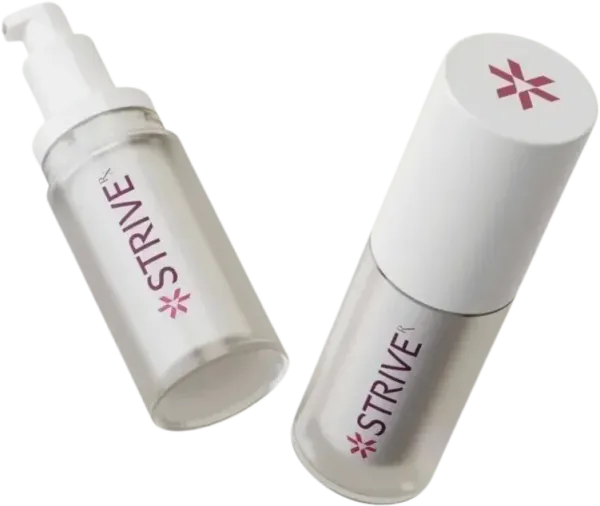
Stella+
GHK-Cu + Estriol + Tretinoin + Niacinamide
✅ Stimulates collagen & elastin production
✅ Reduces fine lines and skin laxity
✅ Promotes full-face cellular repair
Consultation & care coordination included
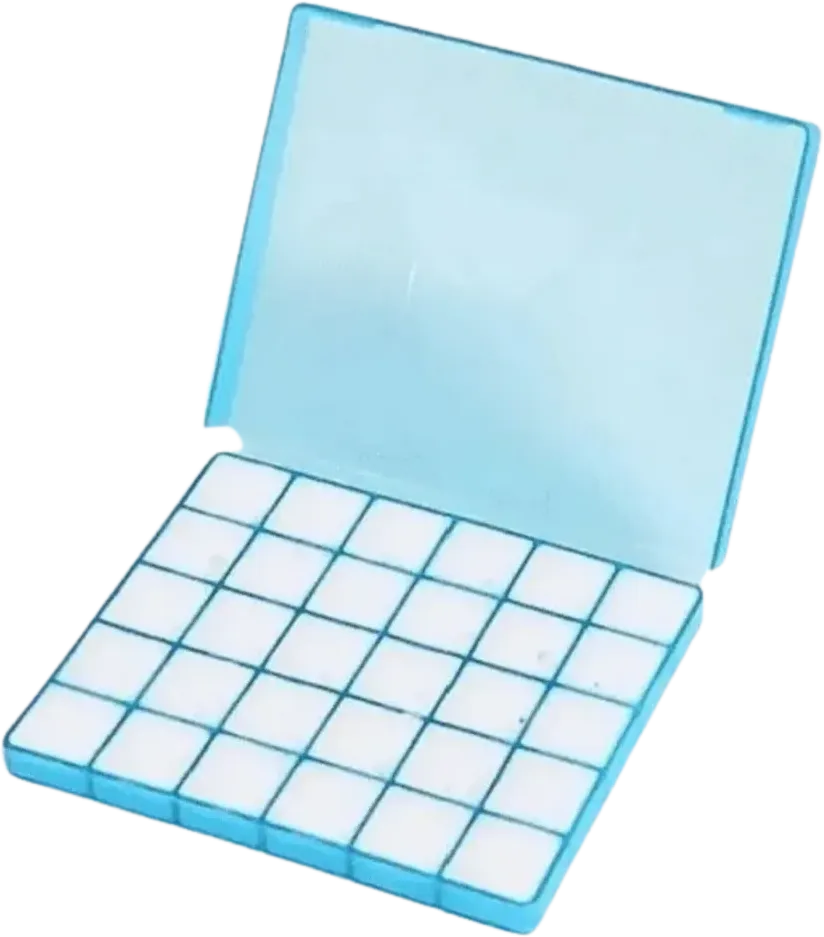
GHK-Cu Troche
Regenerative copper tripeptide
✅ Stimulates collagen & elastin
✅ Improves skin firmness & texture
✅ Anti-inflammatory & antioxidant
Consultation & care coordination included
Cashmere
Caffeine + GHK-Cu + Tretinoin + Niacinamide
✅ Reduces puffiness & under-eye circles
✅ GHK boosts collagen and skin repair
✅ Brightens and firms skin texture
Consultation & care coordination included
Redness Reset
Clobetasol + Triamcinolone
Aloe Vera
✅ Calms redness, itching & flare-ups
✅ Strengthens the skin's protective barrier
✅ Rapid treatment for Eczema & Psoriasis
Consultation & care coordination included
Puffy Eye Cream
Caffeine + Glycolic Acid
Triamcinolone + Tretinoin
✅ Reduces morning puffiness & swelling
✅ Lightens dark circles over time
✅ Firms and smooths the under-eye zone
Consultation & care coordination included
Calming
Azelaic Acid + Ivermectin
Metronidazole + Niacinamide
✅ Reduces redness and rosacea
✅ Clears acne and prevents breakouts
✅ Calms inflammation without drying
Consultation & care coordination included
Anti-Aging S
Estriol + Tretinoin + Alpha Lipoic Acid
Vitamin C + Sodium Hyaluronate
✅ Accelerates cellular turnover & renewal
✅ Reduces fine lines and wrinkles
✅ Restores even skin tone and radiance
Consultation & care coordination included
Anti-Aging 2 S
Finasteride + Tretinoin + Alpha Lipoic Acid
Estriol + Vitamin C + Hyaluronic Acid
✅ Stronger retinoid concentration
✅ Targets stubborn lines & age spots
✅ Boosts collagen scaffolding
Consultation & care coordination included
Radiance
Azelaic Acid + Clindamycin
Tranexamic Acid + Dexpanthenol
Tretinoin + Niacinamide
✅ Fades dark spots & hyperpigmentation
✅ Evens skin tone for natural glow
✅ Brighter skin
Consultation & care coordination included
GHK-Cu (Anhydrous)
Copper peptide
✅ Anhydrous base maximizes peptide stability
✅ Higher absorption
✅ Ideal for sensitive or reactive skin
Consultation & care coordination included
Rejuvenate
Tranexamic Acid + Tretinoin + Niacinamide
✅ Fades melasma and dark spots
✅ Reduces hyperpigmentation and uneven tone
✅ Brightens and evens overall complexion
Consultation & care coordination included
Vitality
Estriol + Tretinoin + Niacinamide
✅ Instantly brightens skin tone and texture
✅ Smooths rough patches and uneven areas
✅ Energizes dull, fatigued-looking skin
Consultation & care coordination included
Youthful Cream
Estriol + Finasteride + Tretinoin
Niacinamide
✅ Deeply nourishes & repairs skin barrier
✅ Plumps fine lines
✅ Reduces unwanted facial hairs
Consultation & care coordination included
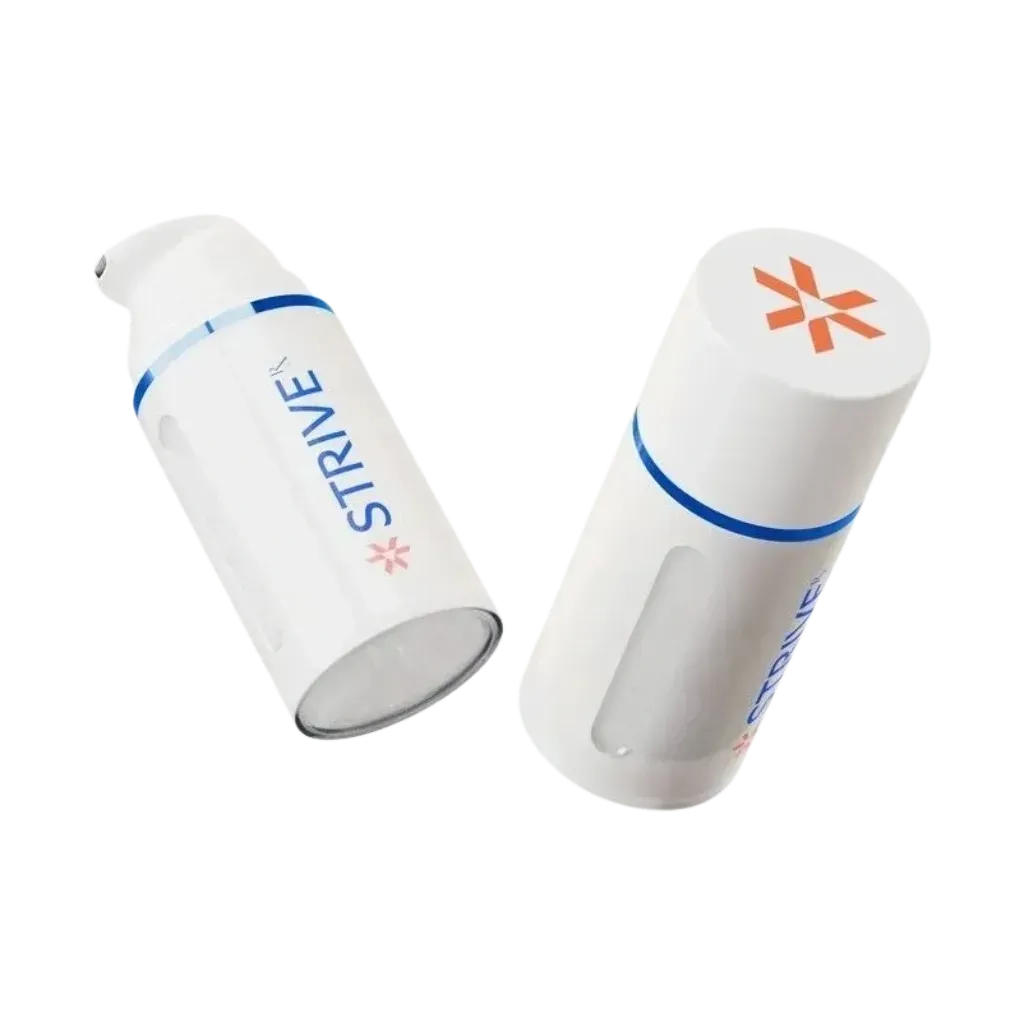
Clear Revive Blemish
Azelaic Acid + Benzoyl Peroxide
Clindamycin + Tretinoin + Niacinamide
✅ Attacks acne-causing bacteria directly
✅ Reduces oil production and clogged pores
✅ Clears active lesions and prevents new ones
Consultation & care coordination included
Rosa
Ivermectin + Metronidazole
Niacinamide
✅ Calms persistent redness & facial flushing
✅ Minimizes visible broken capillaries
✅ Soothes reactive, sensitive skin long-term
Consultation & care coordination included
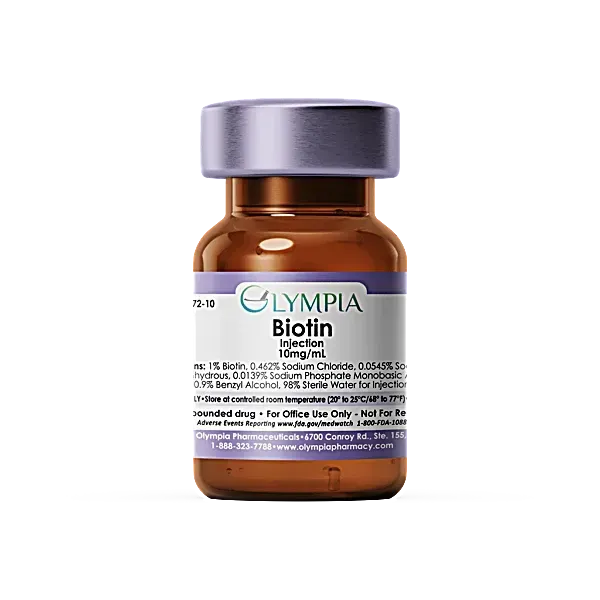
Biotin
Vitamin B7 that strengthens hair, nails,
and skin from the inside out
✅ Supports stronger, healthier skin
✅ Improves hydration and smoothness
✅ Helps reduce dryness and flaking
Consultation & care coordination included
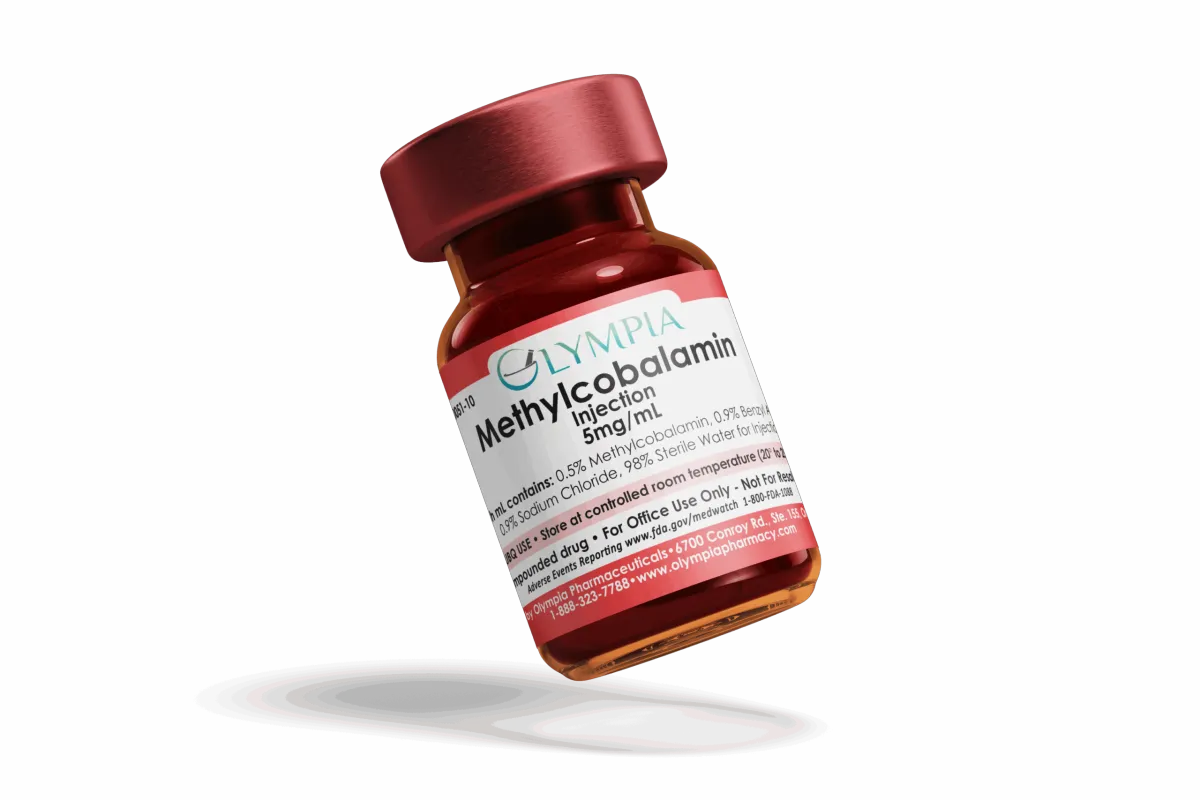
Methylcobalamin
The active form of B12 delivers energy, nerve support, and mental clarity
✅ Promotes skin repair and renewal
✅ Helps even out skin tone
✅ Boosts overall radiance
Consultation & care coordination included
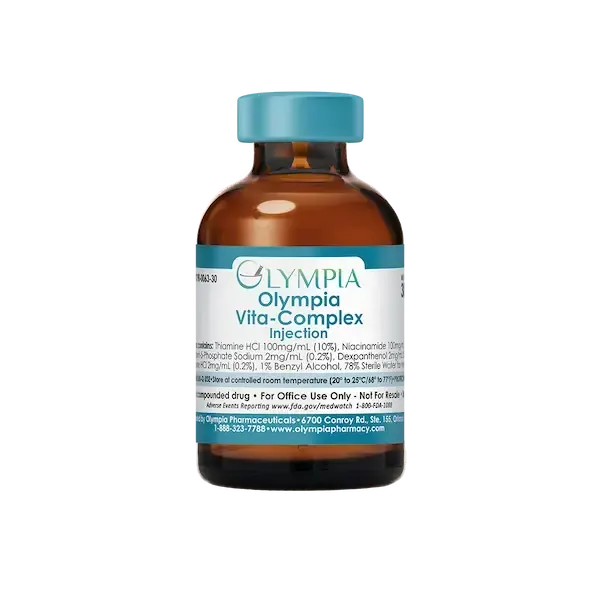
Vitamin B Complex
B1, B2, B3, B5, B6 vitamins in one injection
✅ Supports hydration and skin barrier
✅ Reduces redness and irritation
✅ Enhances skin clarity
Consultation & care coordination included
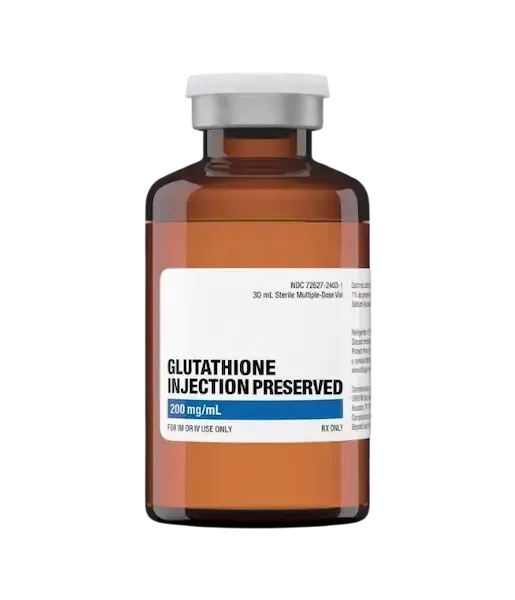
Glutathione
Your body's master antioxidant for deep
cellular detoxification & immune support
✅ Brightens and evens skin tone
✅ Fights oxidative skin damage
✅ Promotes clearer-looking skin
Consultation & care coordination included
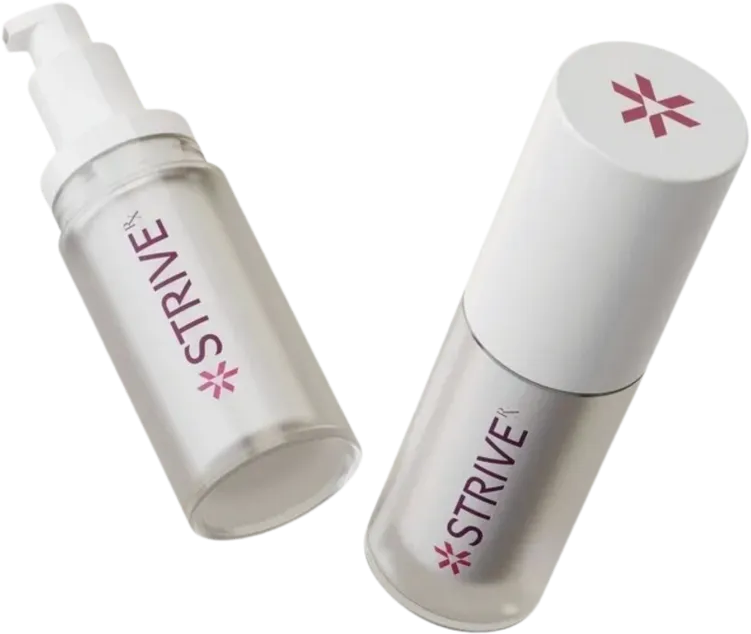
Luminance
Azelaic Acid + Hydrocortisone + Hydroquinone
Kojic Acid + Green Tea EGCG + Resveratrol
✅ Targets pigmentation pathways (HQ + kojic)
✅ Reduces inflammation + redness
✅ Antioxidant + skin tone support
Consultation & care coordination included
Diamond Delux
Hydroquinone + Kojic Acid
Triamcinolone + Tretinoin
✅ Aggressive hyperpigmentation correction
✅ Accelerates turnover (tretinoin)
✅ Controls inflammation (steroid)
Consultation & care coordination included
Brilliance
Azelaic Acid + Tranexamic Acid + Niacinamide
✅ Inhibits melanin production pathways
✅ Brightens + evens tone
✅ Reduces redness + improves barrier
Consultation & care coordination included
Enlighten AM
Caffeine + Glutathione + Green Tea EGCG
Vitamin E
✅ Brightens + detoxifies skin tone
✅ Reduces puffiness + improves circulation
✅ Protects against environmental damage
Consultation & care coordination included
Back Acne
Azelaic Acid + Benzoyl Peroxide + Clindamycin + Tretinoin
✅ Clears, prevents & fades back acne
✅ Works on steroid-induced breakouts
✅ 5 actives, one nightly application
Consultation & care coordination included
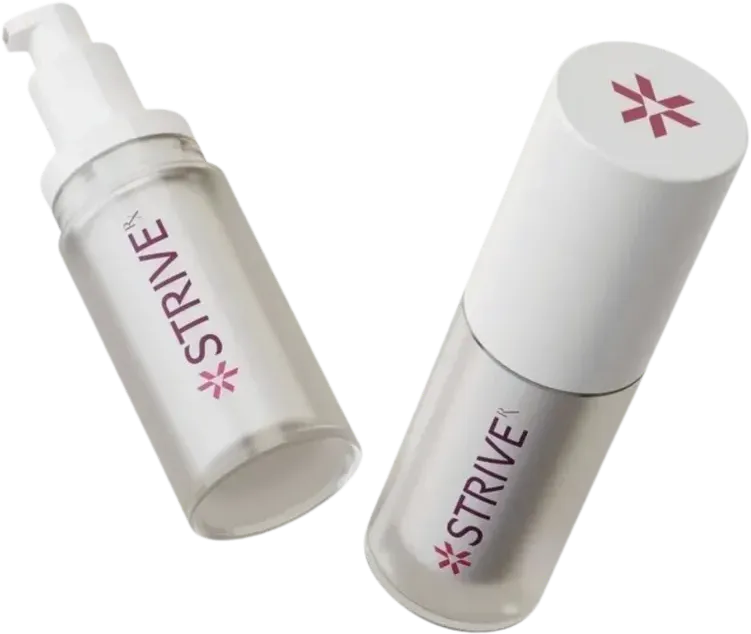
Melasma HQ 4.1 Cream
✅ Blocks melanin production at the source
✅ Clears dark spots & evens skin tone
✅ 4 actives, one nightly application
Consultation & care coordination included
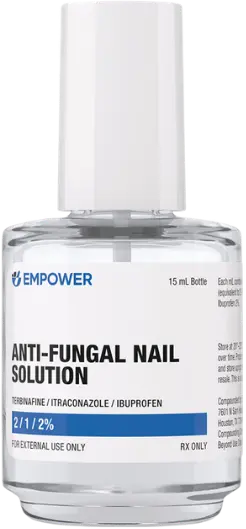
Anti-Fungal Nail Solution
✅ Targets fungal infection
✅ Supports healthier nails
✅ Helps clear nail discoloration
Consultation & care coordination included
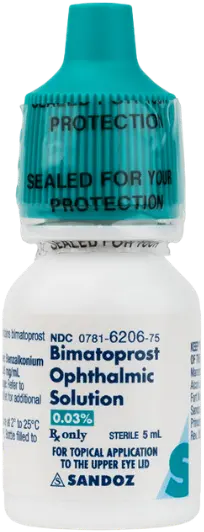
Bimatoprost Eyelash Solution
✅ Promotes eyelash growth
✅ Increases lash length
✅ Improves lash fullness
Consultation & care coordination included
Information presented here is for educational purposes only and not intended to replace or substitute guidance from a healthcare provider. Compounded medications are not FDA-approved nor evaluated by the FDA for safety, efficacy, or quality.
Pharmacy partners





Is Skincare Treatment Right for You?
If you:
Notice persistent acne, hyperpigmentation, or uneven texture despite topical routines
Experience signs of aging like fine lines or dullness
Want a science-based, structured approach
Prefer online care without clinic visits
Skincare treatment may be the solution you’ve been missing.
The Science of Cellular Resurfacing
Skincare is not merely about surface-level moisture; it is about optimizing the rate of cellular turnover and collagen synthesis. By utilizing medical-grade retinoids and peptide complexes, we help you reset your skin’s natural repair cycle.
Collagen Scaffolding
Stimulate the deep structural proteins that maintain skin firmness and prevent sagging.
Epidermal Turnover
Accelerate the shedding of damaged cells to reveal a brighter, more even-toned complexion.
Dermal Hydration
Utilize high-molecular-weight agents to lock in moisture and reinforce the skin’s natural lipid barrier.
Individual results may vary. Benefits described are based on clinical and pharmacological evidence and do not constitute a guarantee of treatment outcomes. All treatment requires evaluation and approval by a licensed provider.
The Science Behind the Formula
Every Active Ingredient, Explained
All skincare formulas on this page are prescription compounded — not OTC. Here is exactly what each ingredient does and why it belongs in a medical-grade skincare protocol.
A prescription-strength vitamin A derivative and the gold standard retinoid in dermatology — the most clinically studied topical anti-aging ingredient available.
Tretinoin binds to retinoic acid receptors in the dermis to directly stimulate collagen synthesis and accelerate epidermal cell turnover. It clears dead cells from the surface to reduce fine lines, uneven texture, and dullness — while the new cells produced beneath are structurally denser and more hydrated. It also normalizes melanocyte activity to fade hyperpigmentation and sun damage. Most premium formulas include it as the core anti-aging driver.
The mildest and safest naturally occurring estrogen, applied topically to restore estrogen-driven collagen, hydration, and skin structure lost with age.
Estrogen receptors in the dermis directly regulate procollagen synthesis, hyaluronic acid production, and sebaceous gland activity. After menopause or with hormonal decline, these receptors become understimulated and skin becomes thin, dry, and crepey. Topical estriol restores estrogenic signaling locally — improving elasticity, increasing dermal thickness, and locking in moisture — without significant systemic absorption. It also counteracts the collagen-degrading effects of cortisol and UV damage.
A naturally occurring copper-binding tripeptide that modulates over 4,000 human genes involved in skin repair, collagen synthesis, and cellular regeneration.
GHK-Cu activates fibroblasts to upregulate collagen, elastin, and glycosaminoglycan production — the three structural proteins that give skin firmness, bounce, and moisture retention. It simultaneously downregulates inflammatory and matrix-degrading pathways, suppresses fibrinogen synthesis (associated with scarring), promotes angiogenesis in repairing tissue, and activates the ubiquitin-proteasome system to clear damaged cellular proteins. It resets aging skin gene expression toward a younger phenotype.
A 5-alpha reductase inhibitor applied topically to the face to block DHT at sebaceous glands and facial hair follicles — without systemic hormonal effects.
DHT over-stimulates sebaceous glands and facial hair follicles, causing enlarged pores, excess sebum, and coarser facial hair — hallmarks of androgenic skin aging. Topical finasteride blocks DHT locally at the face without systemic absorption, shrinking pore size, reducing oiliness, and decreasing unwanted terminal facial hair. When combined with estriol and tretinoin, it provides a three-pronged approach to androgenic, hormonal, and structural skin aging simultaneously.
A synthetic lysine derivative originally used to control bleeding, now recognized as one of the most effective prescription brightening agents for hyperpigmentation and melasma.
Tranexamic acid interrupts the keratinocyte-to-melanocyte signaling pathway that triggers excess melanin production — blocking pigmentation at its source rather than just at the melanocyte level. It inhibits plasmin-mediated prostaglandin release, which is the upstream signal that instructs melanocytes to produce more melanin in response to UV exposure or inflammation. It addresses melasma, post-inflammatory hyperpigmentation, and sun spots at a mechanistic level unmatched by OTC brighteners.
The gold-standard prescription depigmenting agent — the most potent and clinically validated topical inhibitor of melanin synthesis available.
Hydroquinone is a phenolic compound that competitively inhibits tyrosinase — the rate-limiting enzyme in melanin biosynthesis — while simultaneously disrupting melanosome formation and accelerating the degradation of existing melanin in keratinocytes. At prescription concentrations (4%), it is significantly more potent than OTC preparations and produces measurable depigmentation of melasma, solar lentigines, and post-inflammatory hyperpigmentation within weeks. It is paired with tretinoin (which accelerates turnover to shed pigmented cells) and corticosteroids (which suppress the inflammation that re-triggers pigmentation) for maximum efficacy.
A naturally occurring chelating agent produced by fungi during fermentation — with established depigmenting activity through copper-dependent tyrosinase inhibition.
Kojic acid inhibits tyrosinase by chelating the copper ions in its active site — copper is essential for the enzyme's catalytic function, and without it, the conversion of tyrosine to melanin cannot proceed. Unlike hydroquinone, kojic acid achieves depigmentation without direct cytotoxic effects on melanocytes, making it well-suited for extended use and sensitive skin types. It is effective against solar lentigines, melasma, and post-inflammatory hyperpigmentation. Combined with hydroquinone, the two agents deliver synergistic depigmentation through complementary mechanisms — tyrosinase inhibition and copper chelation simultaneously.
A naturally occurring dicarboxylic acid derived from grains, with FDA-recognized efficacy for rosacea and hyperpigmentation in prescription concentrations (15–20%).
Azelaic acid selectively inhibits tyrosinase — the enzyme that catalyzes melanin synthesis — in abnormally active melanocytes, while leaving normal melanocytes unaffected. This makes it safe for all skin tones without risk of over-depigmentation. It also normalizes follicular cell turnover to prevent comedone formation, reduces the inflammatory lesions of rosacea and acne, and has mild antimicrobial activity against Cutibacterium acnes. One of the few ingredients that addresses pigmentation, redness, and acne simultaneously.
A water-soluble form of vitamin B3 with a uniquely broad mechanism of action — simultaneously addressing pigmentation, barrier integrity, inflammation, and retinoid tolerance.
Niacinamide inhibits the transfer of melanosomes (melanin-filled vesicles) from melanocytes to surrounding keratinocytes — reducing pigmentation without suppressing melanin production itself. It rebuilds the ceramide-rich skin barrier to reduce transepidermal water loss, suppresses the inflammatory cytokines driving post-inflammatory hyperpigmentation and rosacea, and dramatically reduces the irritation associated with tretinoin. In every formula it appears in, it serves as both an active and a stabilizer for the other ingredients.
The smallest alpha-hydroxy acid (AHA), derived from sugarcane, with deep skin penetration and the most clinically studied exfoliation profile of all chemical exfoliants.
Glycolic acid dissolves the ionic bonds holding dead corneocytes (skin cells) together at the surface, releasing them for easy shedding without physical abrasion. This chemical exfoliation reveals fresher, brighter skin below and significantly improves the penetration of other actives applied afterward. At deeper concentrations it also stimulates fibroblasts at the dermal-epidermal junction to produce new collagen — making it both a surface brightener and a structural remodeler. In the eye cream formula, it targets dark circles and skin texture around the delicate periorbital area.
The alcohol form of pantothenic acid (vitamin B5), which converts in the skin to pantothenic acid — a key cofactor in skin cell energy metabolism and wound healing.
Dexpanthenol penetrates deeply and converts to pantothenic acid in the skin, where it accelerates keratinocyte proliferation and migration to support wound healing and barrier recovery. It acts as a powerful humectant — attracting and binding water to the epidermis — while simultaneously stimulating fibroblast activity. In brightening formulas, it helps the skin repair itself from pigmentation-triggering micro-inflammation and supports even cellular renewal. It also significantly reduces the redness and peeling associated with prescription actives like tretinoin.
A naturally occurring glycosaminoglycan that holds up to 1,000 times its weight in water — the primary hydrating molecule in both the dermis and epidermis.
Hyaluronic acid draws water from the environment and deeper skin layers into the epidermis, creating visible plumping and reduction of surface fine lines within hours of application. At a structural level, it occupies the extracellular matrix between collagen and elastin fibers, maintaining the spacing and hydration that keeps the dermis resilient. When included in a formula with tretinoin and estriol, it anchors all actives in a hydrated environment that dramatically improves their bioavailability and tolerability, while directly reducing the dryness that retinoids commonly cause.
A polysaccharide-rich botanical extract with exceptional humectant, barrier-reinforcing, and anti-inflammatory properties — one of the most studied natural skin-calming agents.
The polysaccharides in aloe vera form a protective film over the skin surface that reduces transepidermal water loss while simultaneously delivering moisture into the epidermis. Its acemannan and glucomannan compounds support keratinocyte proliferation and barrier repair. In prescription formulas used for eczema and psoriasis, aloe vera provides essential barrier support and moisture delivery to the damaged skin tissue being treated by the corticosteroids — preventing over-drying and supporting the skin's recovery between flares.
A universal antioxidant that is both water- and fat-soluble — unlike most antioxidants — allowing it to protect cell membranes, cytoplasm, and the extracellular matrix simultaneously.
ALA neutralizes reactive oxygen species (free radicals) in both the aqueous and lipid compartments of skin cells — providing 360-degree antioxidant protection no single-phase antioxidant can match. It also regenerates other depleted antioxidants including vitamins C and E, extending the antioxidant network's overall effectiveness. It chelates iron to prevent iron-catalyzed oxidative damage, reduces glycation of collagen (sugar-mediated aging), and suppresses AP-1 — the transcription factor that activates matrix metalloproteinases (MMPs) that degrade collagen and elastin.
A water-soluble antioxidant and essential cofactor for collagen synthesis — the most abundant antioxidant naturally found in healthy skin.
Vitamin C is required for the hydroxylation of proline and lysine — the two reactions that stabilize the triple helix structure of collagen. Without adequate vitamin C, collagen produced is structurally weak and prone to degradation. It also directly scavenges free radicals generated by UV exposure and pollution, preventing the oxidative damage that drives collagen breakdown and hyperpigmentation. When combined with ALA, both antioxidants cross-protect each other, creating a sustained antioxidant defense in the skin.
Epigallocatechin gallate — the primary catechin polyphenol in green tea and one of the most potent naturally occurring antioxidants studied in dermatology.
EGCG scavenges reactive oxygen species generated by UV radiation, pollution, and metabolic activity — preventing oxidative damage to DNA, lipid membranes, and structural proteins in the dermis. It inhibits AP-1 and NF-κB — two transcription factors that activate matrix metalloproteinases (MMPs) which degrade collagen and elastin. EGCG also inhibits tyrosinase activity to reduce melanin production and has direct anti-inflammatory activity via COX-2 inhibition. In a depigmenting formula, it reinforces the brightening pathway while protecting newly revealed skin from the oxidative stress that re-triggers pigmentation.
A polyphenolic stilbene found in grape skins and berries — with potent antioxidant, anti-inflammatory, and SIRT1-activating properties studied extensively in aging and skin biology.
Resveratrol inhibits NF-κB signaling to suppress inflammatory cytokine production in the dermis, reducing the chronic low-grade inflammation that degrades collagen and drives pigmentation irregularities. It activates SIRT1 — a longevity deacetylase — which promotes DNA repair and counteracts the epigenetic changes associated with UV-induced photoaging. Topically, it scavenges free radicals, inhibits MMP-1 (collagenase), and reduces melanin synthesis via tyrosinase inhibition. In the Luminance formula, it protects the skin from re-oxidation while supporting the depigmenting actives alongside it.
The skin's primary fat-soluble antioxidant — naturally concentrated in the sebum and stratum corneum to defend the lipid barrier against oxidative damage.
Vitamin E neutralizes lipid peroxidation chain reactions in cell membranes — the most structurally destructive form of oxidative damage to the skin barrier. After quenching a free radical, oxidized vitamin E is regenerated by vitamin C, creating a recycling antioxidant system that extends the protection of both molecules simultaneously. Tocopherol also inhibits protein kinase C signaling to reduce UV-induced inflammatory cascades and suppresses melanin synthesis downstream. Topically, it seals the skin surface to reduce transepidermal water loss, supports the integrity of the stratum corneum lipid matrix, and enhances the absorption and stability of other actives in the formula.
A tripeptide synthesized in every cell of the body — the most abundant endogenous antioxidant and the master regulator of cellular oxidative stress.
Glutathione inhibits tyrosinase by converting dopaquinone — the melanin precursor — back to DOPA, redirecting melanogenesis away from eumelanin (dark pigment) toward phaeomelanin (lighter pigment). This produces measurable, progressive skin brightening with consistent use. It neutralizes free radicals through the glutathione peroxidase enzyme system, regenerates vitamins C and E after they donate electrons, and conjugates reactive toxins for elimination — reducing the oxidative burden that drives pigmentation and inflammation. In injection form, systemic delivery raises intracellular glutathione across all skin cells simultaneously, producing brightening and detoxification effects that are not achievable through topical application alone.
A macrocyclic lactone antiparasitic agent FDA-approved for rosacea at 1% cream concentration — the only antiparasitic ingredient with a proven role in prescription skincare.
Demodex folliculorum mites — microscopic parasites that live in hair follicles and sebaceous glands — are found in significantly higher concentrations in rosacea-affected skin. Their waste products and death trigger inflammatory cascades that drive rosacea flares, papules, and pustules. Ivermectin eliminates Demodex mites by disrupting their glutamate-gated chloride channels, causing paralysis and death. Eliminating the mite burden removes a key inflammatory trigger and allows the skin's redness and reactivity to subside significantly.
A nitroimidazole antimicrobial and anti-inflammatory agent, FDA-approved for rosacea at prescription concentrations — one of the most prescribed topical rosacea treatments.
Metronidazole reduces the vascular inflammation, erythema (redness), and papulopustular lesions of rosacea through both antimicrobial and direct anti-inflammatory mechanisms. It generates reactive oxygen species metabolites that suppress the inflammatory cascade in the dermis and reduce vascular hyperreactivity. Combined with ivermectin and azelaic acid, it provides three-pathway control of rosacea: antimicrobial, antiparasitic, and anti-vascular inflammatory — addressing the condition from every angle.
A Class VII (lowest-potency) topical corticosteroid — the mildest glucocorticoid available, suitable for sensitive areas including the face, neck, and skin folds.
Hydrocortisone binds glucocorticoid receptors in dermal fibroblasts and keratinocytes to suppress prostaglandin, leukotriene, and pro-inflammatory cytokine synthesis — calming the vascular inflammation and erythema associated with rosacea, post-procedure irritation, and reactive skin. At low prescription concentrations, its safety profile allows facial use where mid- and high-potency steroids would cause atrophy. In the Luminance depigmenting formula, it suppresses the post-inflammatory melanogenesis triggered by UV exposure and inflammation — the cycle that perpetuates melasma — making it a strategic component of multi-mechanism brightening treatment.
A mid-potency fluorinated topical corticosteroid that suppresses a broad spectrum of inflammatory cytokines and vascular permeability signals.
Triamcinolone binds intracellular glucocorticoid receptors to suppress prostaglandin and leukotriene production, reducing both the inflammatory response and the vascular dilation that causes redness, swelling, and heat. In the puffy eye cream formula, it specifically targets the inflammatory component of periorbital puffiness — edematous swelling caused by vascular permeability and fluid accumulation around the orbital area. For eczema and psoriasis, it rapidly suppresses the immune overactivation driving epidermal hyperproliferation and barrier breakdown.
A Class I (super-potent) topical corticosteroid — the most potent class available — reserved for severe or treatment-resistant inflammatory skin conditions.
Clobetasol delivers the strongest topical anti-inflammatory effect available by prescription, suppressing the immune hyperactivation driving eczema, psoriasis, and lichen planus at the genomic level. It inhibits pro-inflammatory gene transcription, reduces epidermal hyperproliferation (the thickened, scaly plaques of psoriasis), and restores barrier function during flares. Used short-term alongside aloe vera in the Redness Reset formula, where its potency is balanced against the barrier-restoring and soothing properties of the aloe base to minimize thinning with chronic use.
A methylxanthine alkaloid that inhibits phosphodiesterase and adenosine receptors in blood vessel walls, producing localized vasoconstriction and reduced vascular permeability.
Applied to the periorbital area (under-eye), caffeine constricts the capillaries responsible for the dark, bluish hue of under-eye circles and reduces the vascular leakage that causes morning puffiness. It temporarily tightens the periorbital tissue for a visibly firmer, less swollen appearance. Caffeine also inhibits adipogenesis (fat cell formation) in facial tissue, which contributes to the deflation of eye bags over time with consistent use. When paired with tretinoin and glycolic acid, it provides both immediate vascular effects and longer-term structural improvement.
A lincosamide antibiotic that inhibits bacterial protein synthesis — the prescription topical antibiotic most commonly used for moderate-to-severe inflammatory acne.
Clindamycin targets Cutibacterium acnes — the anaerobic bacterium that colonizes sebaceous follicles and triggers the inflammatory cascade behind papules, pustules, and cysts. It binds the 50S ribosomal subunit to halt bacterial protein synthesis, reducing bacterial burden in the follicle and consequently suppressing the inflammatory response. Topical delivery concentrates it at the site of action in the follicle while minimizing systemic exposure. It is nearly always combined with benzoyl peroxide to prevent the development of antibiotic resistance.
An organic peroxide that releases free oxygen radicals in the follicle to kill acne bacteria — with no risk of antibiotic resistance, unlike clindamycin or other antibiotics used alone.
Benzoyl peroxide creates a highly oxidative environment inside the sebaceous follicle that is lethal to the anaerobic Cutibacterium acnes. Because it works through oxidative killing rather than a specific molecular target, resistance cannot develop — which is why it is prescribed alongside topical antibiotics like clindamycin. It also has mild comedolytic (pore-clearing) activity and reduces follicular hyperkeratinization. The combination of clindamycin and benzoyl peroxide produces outcomes superior to either agent alone while preventing resistance emergence.
Simple. Medical. Personalized.

Medical intake
Answer a few online questions about your health history, lifestyle, & goals. No clinic visits required.
Provider evaluation
A licensed medical provider reviews your intake to determine the safest, personalized treatment.


Personalized plan
Custom treatment plan built around your unique health needs, goals, medical history, & biology.

Ongoing support
Stay connected with your care team for follow-ups, adjustments, & expert answers 100% online.
FAQs
What is online prescription skincare?
Online prescription skincare allows eligible patients to complete a medical intake and receive review from a licensed provider for acne, redness, eczema, psoriasis, hyperpigmentation, texture, or aging-related skin concerns.
What skincare concerns can be reviewed online?
Licensed providers may review concerns such as acne, fine lines, texture, redness, eczema, psoriasis, hyperpigmentation, dry skin, scalp or skin irritation, and treatment-related side effects.
Are you a pharmacy?
No. Testosterone Shots is not a pharmacy. We provide telehealth consultations, clinical review, and care coordination. If treatment is approved, your prescription is sent to a licensed pharmacy partner, who handles medication payment, fulfillment, and shipping directly with you.
Do you sell medication?
No. Testosterone Shots does not sell, manufacture, handle, dispense, or ship prescription medication. Patients pay Testosterone Shots for consultation, clinical review, care coordination, lab-related services, membership services, and other non-pharmacy services only. Medication payment is handled directly by the licensed pharmacy partner if treatment is approved.
Do I need a prescription?
Yes. Prescription treatments require review and approval by a licensed healthcare provider. Treatment is not guaranteed. Your provider may approve treatment, deny treatment, request labs, or recommend another type of care.
How does the process work?
Start with a secure online intake and licensed provider review. If treatment is approved and a prescription is issued, your prescription is sent to a licensed pharmacy partner. The pharmacy contacts you directly to complete medication payment and shipping.
Can I get treatment without insurance?
Yes. Insurance is not required for the online consultation and clinical review. Medication costs, if any, are handled directly by the licensed pharmacy partner if treatment is approved.
Is this private?
Yes. The process is designed to be private and convenient. Testosterone Shots uses systems intended to protect personal health information, and licensed pharmacy partners handle medication fulfillment directly when treatment is approved.
Can prescription skincare treat eczema or psoriasis?
Some prescription topical medications may be used for eczema or psoriasis when clinically appropriate. A provider should review your symptoms, history, severity, and prior treatments before approving a treatment plan.
What is triamcinolone and when is it used topically?
Triamcinolone is a corticosteroid that rapidly reduces inflammation, redness, and itching. In Redness Reset it addresses acute eczema and psoriasis flares. In Puffy Eye Cream, lower concentrations help calm inflammatory puffiness around the delicate eye area.
Can men use prescription skincare?
Absolutely. Several formulas — including Youthful Cream, Anti-Aging, and GHK-Cu are prescribed to both men and women. Men commonly use prescription skincare for anti-aging, post-shave repair, uneven texture, and acne. Your provider tailors the formula to your specific concerns regardless of gender.
How long does skincare treatment take to work?
Timing depends on the condition and treatment. Some symptoms may improve within days or weeks, while acne, texture, and pigment concerns may require consistent use over several months.
When should I seek urgent care for a skin problem?
Seek urgent care for rapidly spreading rash, severe swelling, fever, skin infection signs, severe allergic reaction, eye involvement, or painful blistering.
Do I need to stop other skincare products?
Not necessarily. Your provider will review your current routine during intake and advise on what to keep, pause, or avoid — particularly products that may interact with tretinoin or active acids. In general, a simple routine of cleanser, prescription cream, and SPF works best.
Is this covered by insurance?
Compounded prescription skincare is not covered by insurance. All products are priced transparently with no hidden fees, and your consultation is included at no additional cost.
Can I use these creams if I have sensitive skin?
Yes. Several formulas are specifically designed for reactive or sensitive skin, including our GHK-Cu Anhydrous cream and the Calming formula. Your provider will review your skin type, history, and concerns before prescribing to ensure the right formula and concentration for your tolerance level.
What is tretinoin and why is it in so many formulas?
Tretinoin is a prescription-strength retinoid — the gold standard in medical skincare for over 50 years. It accelerates cellular turnover, stimulates collagen production, fades dark spots, and smooths fine lines at a depth that no OTC retinol can reach. It is the most clinically validated topical anti-aging ingredient available.
What is Estriol and why is it in skincare creams?
Estriol is a naturally occurring estrogen that stimulates collagen and elastin production, improves skin thickness, and restores hydration lost through hormonal decline. Topically applied, it acts locally with minimal systemic absorption. It appears in Stella+, Vitality, and Anti-Aging formulas to address hormone-related skin aging at the structural level.
What is tranexamic acid and why is it in skincare creams?
Tranexamic acid is a synthetic amino acid that fades dark spots, melasma, and post-acne marks by blocking the pathway that triggers excess melanin production. It is gentler than hydroquinone and well-tolerated by most skin types. It is featured in Radiance and Rejuvenate where evening skin tone is the primary goal.
What is niacinamide and why is it used in so many formulas?
Niacinamide is a form of vitamin B3 that strengthens the skin barrier, reduces redness, minimizes pores, and fades discoloration. It also improves tolerance to tretinoin by reducing irritation during the adjustment period. Because it works well alongside almost every other ingredient, it appears across many of our formulas as both an active and a stabilizing partner.
What is GHK-Cu and why is it in skincare creams?
GHK-Cu is a copper tripeptide that naturally occurs in the body and declines with age. Topically, it stimulates collagen and elastin, promotes cellular repair, reduces inflammation, and acts as an antioxidant. It is used in Stella+ and Cashmere for deep regenerative effects, and available on its own in our GHK-Cu Anhydrous cream for maximum stability and absorption.
What is azelaic acid and why is it prescribed for skin?
Azelaic acid is a naturally derived acid that targets acne-causing bacteria, calms rosacea-related redness, inhibits excess melanin production, and gently exfoliates. It is one of the few prescription actives safe for darker skin tones and sensitive skin. It appears in Radiance, Clear Revive, and Calming depending on the concern being treated.
What does caffeine do in a skincare cream?
Caffeine is a vasoconstrictor that temporarily tightens blood vessels, reducing puffiness and fluid retention. It also has antioxidant properties that help neutralize free radical damage. In Cashmere and Puffy Eye Cream, it targets the under-eye area to reduce morning swelling and improve the appearance of dark circles.
What is finasteride doing in a face cream?
Finasteride blocks the conversion of testosterone to DHT in the skin. Elevated DHT is linked to excess oil production, enlarged pores, and unwanted facial hair. Applying it topically keeps systemic absorption low while delivering a targeted benefit. It appears in Youthful Cream and Anti-Aging 2 S for patients with hormonal contributions to skin aging and texture.
What is alpha lipoic acid and why is it in anti-aging creams?
Alpha lipoic acid is a potent antioxidant that is both water and fat soluble, allowing it to penetrate cell membranes more effectively than most antioxidants. It reduces inflammation, improves fine lines, and helps regenerate vitamin C in the skin. In Anti-Aging S and Anti-Aging 2 S, it protects against oxidative damage while tretinoin and estriol drive active repair.
What is hyaluronic acid doing in a prescription cream?
Hyaluronic acid is a molecule the body produces naturally that can hold up to 1,000 times its weight in water. In prescription creams it draws moisture into the skin, plumps fine lines, and supports the barrier during tretinoin use. It appears in Anti-Aging S and Anti-Aging 2 S to offset dryness caused by stronger actives.
What is glycolic acid and what does it do in an eye cream?
Glycolic acid is an alpha-hydroxy acid that dissolves the bonds between dead skin cells, promoting exfoliation and renewal. It is the smallest AHA molecule, allowing it to penetrate effectively. In Puffy Eye Cream, it gradually improves skin texture and enhances absorption of the other actives in the formula.
What is triamcinolone and when is it used topically?
Triamcinolone is a corticosteroid that rapidly reduces inflammation, redness, and itching. In Redness Reset it addresses acute eczema and psoriasis flares. In Puffy Eye Cream, lower concentrations help calm inflammatory puffiness around the delicate eye area.
What is clindamycin and why is it in acne formulas?
Clindamycin is a topical antibiotic that directly targets the bacteria responsible for acne, reducing active breakouts and preventing new ones. It is used alongside benzoyl peroxide and tretinoin to improve efficacy and reduce the risk of antibiotic resistance. You will find it in Clear Revive and Radiance cream.
What is ivermectin doing in a skincare cream?
Topical ivermectin is an antiparasitic and anti-inflammatory agent approved for rosacea. It targets Demodex mites found in higher concentrations in rosacea-prone skin while reducing skin inflammation directly. Combined with metronidazole and niacinamide in Rosa and Calming, it provides multi-mechanism control of redness and reactive skin.
What is metronidazole and why is it prescribed for rosacea?
Metronidazole is an antibiotic and antiparasitic with decades of established use for rosacea. It reduces inflammatory papules and pustules and has mild anti-inflammatory properties on its own. In Rosa and Calming it works alongside ivermectin for comprehensive control of chronic redness and flushing.
What is dexpanthenol and why is it in a brightening formula?
Dexpanthenol is provitamin B5 that converts to pantothenic acid in the skin, supporting barrier repair and wound healing. It is moisturizing and anti-inflammatory, calming irritation caused by stronger actives. In Radiance it keeps the skin barrier intact while tranexamic acid, tretinoin, and azelaic acid work on pigmentation and resurfacing.
What is benzoyl peroxide and how does it fight acne?
Benzoyl peroxide releases oxygen radicals that kill acne-causing bacteria, clear clogged pores, and reduce surface oil. It is non-antibiotic, making it valuable for preventing resistance when paired with clindamycin. In Clear Revive it is one part of a multi-targeted approach alongside antibacterials, retinoids, and anti-inflammatories.
Can men use prescription skincare?
Absolutely. Several formulas — including Youthful Cream, Anti-Aging, and GHK-Cu are prescribed to both men and women. Men commonly use prescription skincare for anti-aging, post-shave repair, uneven texture, and acne. Your provider tailors the formula to your specific concerns regardless of gender.
Do I need to stop other skincare products?
Not necessarily. Your provider will review your current routine during intake and advise on what to keep, pause, or avoid — particularly products that may interact with tretinoin or active acids. In general, a simple routine of cleanser, prescription cream, and SPF works best.
Is this covered by insurance?
Compounded prescription skincare is not covered by insurance. All products are priced transparently with no hidden fees, and your consultation is included at no additional cost.
Contact Us

© 2026 TestosteroneShots.com, PC
text (323)-283-9219
638 1/2 N. Robertson Blvd, West Hollywood, CA 90069
Legal
The information and clinical services described on this website are for educational and informational purposes only and are not intended to diagnose, treat, cure, or prevent any disease. All treatments require evaluation and approval by a licensed healthcare provider through a telemedicine consultation. Treatment approval is not guaranteed. Individual results may vary, and treatments may carry risks and side effects. Certain compounded medications, wellness treatments, or off-label uses may not be evaluated by the U.S. Food and Drug Administration (FDA) for safety, effectiveness, or quality unless explicitly stated. Testosterone Shots provides telehealth consultations, clinical review, care coordination, lab-related services, membership services, and ongoing treatment management. Testosterone Shots is not a pharmacy and does not manufacture, compound, dispense, sell, handle, warehouse, ship, or collect payment for prescription medication. Testosterone Shots collects payment only for consultations, clinical review, care coordination, lab-related services, membership services, and other non-pharmacy services. If treatment is approved, your prescription may be sent to a licensed pharmacy partner. The pharmacy contacts you directly to complete medication payment and shipping. Services are provided by licensed physicians, nurse practitioners, and/or other licensed healthcare providers in states where they are authorized to practice. This service is not intended for medical emergencies. If you are experiencing an emergency, call 911 or seek immediate medical care. We take reasonable measures to protect personal health information in accordance with applicable privacy laws, including HIPAA. By using this website or its services, you agree to our Terms of Service, Privacy Policy, Notice of Privacy Practices, Telehealth Consent, and Important Safety Information. You must be 18 years of age or older to use this service.