
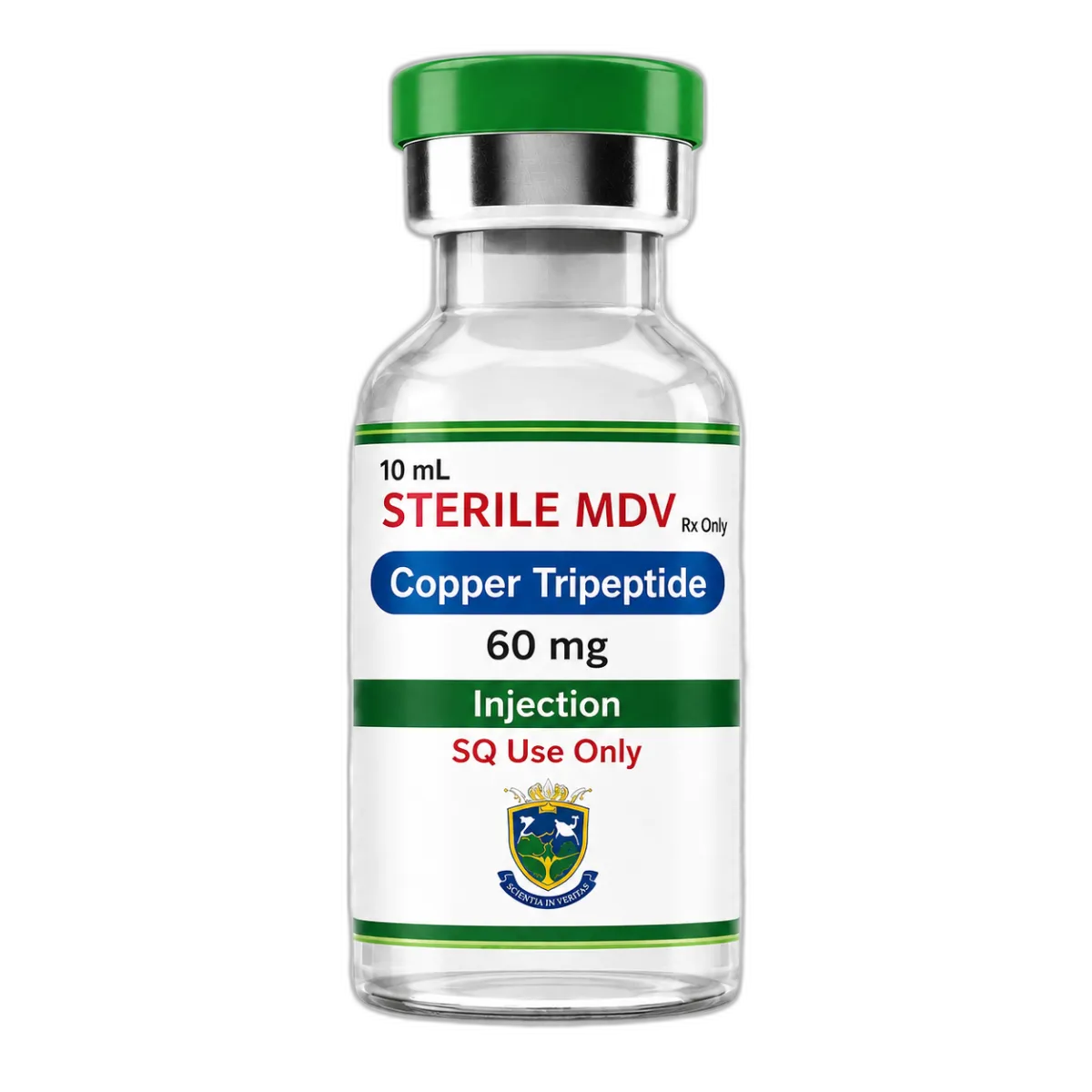
Collagen + Skin Repair
GHK-Cu
Enhances skin quality by stimulating collagen & elastin production.
No Insurance Required
Ships from USA Pharmacy
Free Medical Consultation
Syringes Included
No Subscription Required
Licensed Provider
Licensed Pharmacy
HIPAA Compliant
LegitScript Certified
Overview
Pharmacology
Naturally occurring copper-binding tripeptide (glycyl-L-histidyl-L-lysine) that forms a stable complex with copper ions. It acts as a regenerative signaling molecule by delivering bioavailable copper into cells while modulating gene expression, supporting tissue repair, & collagen synthesis.
Mechanism of Action
Functions as an epigenetic signaling peptide that modulates the expression of over 4,000 human genes, resetting damaged or aged cellular profiles toward a more youthful state by upregulating genes involved in collagen, elastin, & extracellular matrix synthesis while downregulating inflammatory & destructive genes.
Injection
Administered subcutaneously. 60 mg per vial. Initial treatment 60 mg per month.
Information presented here is for educational purposes only and not intended to replace or substitute guidance from a healthcare provider. Compounded products are not FDA-approved nor evaluated by the FDA for safety, efficacy, or quality.
Benefits
Skin Rejuvenation
GHK-Cu stimulates collagen, glycosaminoglycan, and decorin synthesis, supporting reduction of fine lines, improved skin firmness, and correction of photodamage and hyperpigmentation.
Gene Expression Reset
GHK-Cu modulates over 4,000 human genes, upregulating pathways associated with tissue repair and regeneration while downregulating genes linked to inflammation, cancer promotion, and tissue destruction.
Tissue Repair
Stimulates angiogenesis and fibroblast activity to accelerate healing in chronic wounds, post-procedural skin recovery, and repair of the skin barrier. Collagen synthesis and vascularization are both enhanced.
Anti-Inflammatory Modulation
GHK-Cu suppresses fibrinogen synthesis and modulates inflammatory gene expression, reducing chronic low-grade inflammation and oxidative stress associated with tissue aging and cardiovascular risk.
Individual results may vary. Benefits described are based on clinical and pharmacological evidence and do not constitute a guarantee of treatment outcomes. All treatment requires evaluation and approval by a licensed provider.
Simple. Medical. Personalized.

Medical intake
Answer a few online questions about your health history, lifestyle, & goals. No clinic visits required.
Provider evaluation
A licensed medical provider reviews your intake to determine the safest, personalized treatment.

Personalized plan
Custom treatment plan built around your unique health needs, goals, medical history, & biology.

Ongoing support
Stay connected with your care team for follow-ups, adjustments, & expert answers 100% online.
FAQs
What is GHK-CU?
GHK-CU is a prescription therapy used for skin health and collagen support.
Who should use GHK-CU?
Patients seeking support for skin health and collagen support may qualify after evaluation by a licensed provider.
Does GHK-Cu require a prescription?
Yes. Injectable GHK-Cu is a compounded prescription peptide dispensed pursuant to a valid prescription from a licensed healthcare provider. A telehealth consultation, informed consent, and full medical intake are required before dispensing to confirm clinical suitability and establish an individualized treatment protocol.
What are the possible side effects?
GHK-Cu has a well-established safety profile and a favorable reported profile in injectable use. Side effects are generally mild and may include injection site reactions (mild redness, bruising, or transient discomfort), temporary skin flushing or warmth consistent with local vasodilatory effects, mild headache reported occasionally, and transient fatigue during initial treatment days. Serious adverse effects have not been documented at therapeutic doses. Contact your provider immediately if you experience persistent injection site reactions, signs of systemic allergic response, or unusual neurological symptoms.
Who should not use GHK-Cu?
Injectable GHK-Cu is not appropriate for patients with active malignancy without thorough oncological evaluation, given its gene-modulating and angiogenic activity. Patients with Wilson's disease or other copper metabolism disorders must not use GHK-Cu, as it delivers bioavailable copper. Those with known sensitivity to benzyl alcohol — present in the bacteriostatic water diluent — should not use this formulation. It is not appropriate for patients who are pregnant or breastfeeding, or those under 18. Disclose your full history including any malignancy or copper-related conditions before starting.
Are there any drug interactions?
Copper-chelating agents (D-penicillamine, trientine) used in conditions such as Wilson's disease will directly antagonize GHK-Cu's copper component — concurrent use is contraindicated without specialist guidance. High-dose antioxidant supplementation such as vitamin C or NAC may theoretically interact with GHK-Cu's copper-mediated redox activity at very high doses. Patients on systemic immunosuppressive therapy require individualized evaluation due to GHK-Cu's immune and inflammatory gene-modulating activity. Provide a complete medication list before beginning treatment.
Is GHK-Cu safe if I have a pre-existing medical condition?
Any history of malignancy requires oncological and provider review before starting. Copper metabolism disorders (Wilson's disease), autoimmune conditions, and significant cardiovascular, hepatic, or renal disease require individualized assessment. All clinical use of injectable GHK-Cu is off-label. Your provider requires a complete medical history before prescribing and will determine whether GHK-Cu is appropriate given your individual health profile.
Contact Us
Start Your Journey
Repair. Regenerate. Restore.
Physician-supervised. Delivered to your door.
No clinic visits required.
Licensed Provider
Licensed Pharmacy
HIPAA Compliant
LegitScript Certified
Optimize Your Protocol
These treatments work synergistically with your current protocol to accelerate results and improve long-term outcomes.
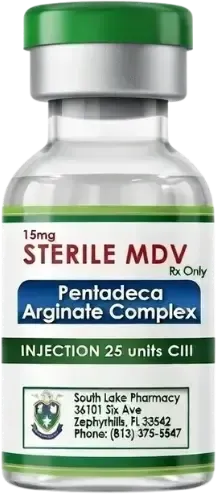
BPC-157
$250
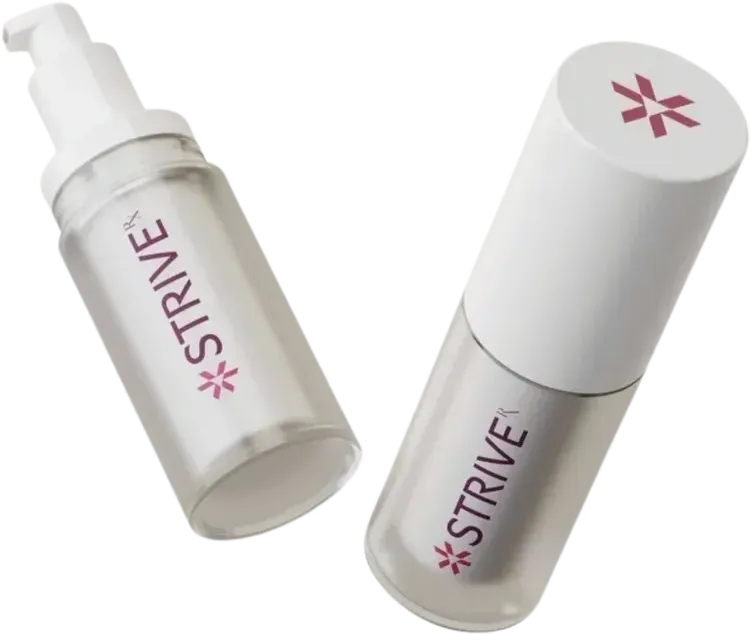
Stella+
$220
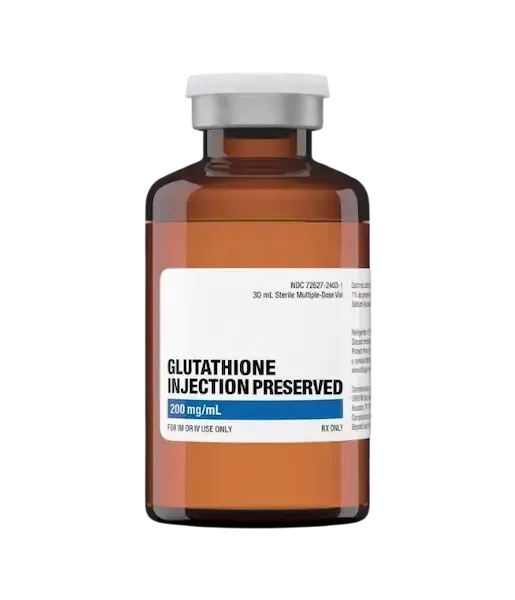
Glutathione Injectable
$150

Minoxidil / Finasteride Topical
$99
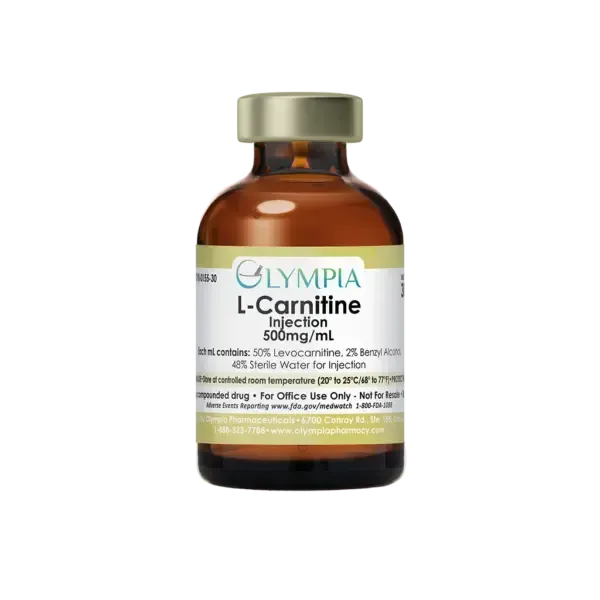
Carnitine
$150

© 2026 TestosteroneShots.com, PC
text (323)-283-9219
638 1/2 N. Robertson Blvd, West Hollywood, CA 90069
Legal

The information and clinical services described on this website are for educational and informational purposes only and are not intended to diagnose, treat, cure, or prevent any disease. All treatments require evaluation and approval by a licensed healthcare provider through a telemedicine consultation. Treatment approval is not guaranteed. Individual results may vary, and treatments may carry risks and side effects. Certain compounded medications, wellness treatments, or off-label uses may not be evaluated by the U.S. Food and Drug Administration (FDA) for safety, effectiveness, or quality unless explicitly stated. Testosterone Shots provides telehealth consultations, clinical review, care coordination, lab-related services, membership services, and ongoing treatment management. Testosterone Shots is not a pharmacy and does not manufacture, compound, dispense, sell, handle, warehouse, ship, or collect payment for prescription medication. Testosterone Shots collects payment only for consultations, clinical review, care coordination, lab-related services, membership services, and other non-pharmacy services. If treatment is approved, your prescription may be sent to a licensed pharmacy partner. The pharmacy contacts you directly to complete medication payment and shipping. Services are provided by licensed physicians, nurse practitioners, and/or other licensed healthcare providers in states where they are authorized to practice. This service is not intended for medical emergencies. If you are experiencing an emergency, call 911 or seek immediate medical care. We take reasonable measures to protect personal health information in accordance with applicable privacy laws, including HIPAA. By using this website or its services, you agree to our Terms of Service, Privacy Policy, Notice of Privacy Practices, Telehealth Consent, and Important Safety Information. You must be 18 years of age or older to use this service.