
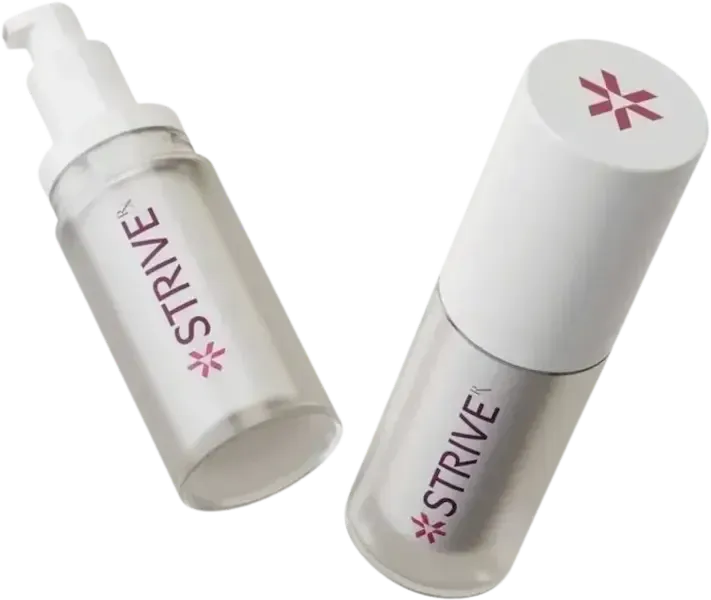
Stella+ GHK

Active Ingredients: GHK-Cu Acetate / Estriol / Niacinamide / Tretinoin

Form: Topical cream

Route: Topical application to face and neck

Application Timing: Evening / bedtime use only

Available: [Size — e.g., 30 mL or 30 g pump — confirm with pharmacy]

Category: Anti-aging / Dermatology / Peptide Skincare

This compounded medication requires a valid prescription from a licensed healthcare provider.

Overview

Stella+ is a prescription-only, four-active topical cream that brings together copper peptide technology, hormonal skin restoration, retinoid-driven cellular renewal, and barrier-protective niacinamide in a single nightly formula. It is the most biologically comprehensive cream in Testosteroneshots.com's anti-aging topical line — built on the well-tolerated estriol, niacinamide, and tretinoin foundation of Glow, with the addition of GHK-Cu Acetate (Copper Tripeptide-1): a naturally occurring human peptide with documented capacity to modulate thousands of skin-relevant genes, stimulate multiple structural protein pathways simultaneously, and reset the cellular behavior of aging skin toward a more youthful regenerative state.

Each active in Stella+ targets skin aging through a distinct biological mechanism. Tretinoin accelerates epidermal cell turnover and drives collagen synthesis via retinoic acid receptor signaling. Estriol restores estrogen receptor-mediated procollagen production and hyaluronic acid synthesis in estrogen-depleted skin. Niacinamide reinforces the stratum corneum lipid barrier, suppresses inflammatory signaling, and reduces the retinoid irritation that limits consistent use. GHK-Cu operates through a fourth pathway entirely — directly activating collagen, glycosaminoglycan, and decorin synthesis via copper-mediated cellular signaling; stimulating angiogenesis to restore dermal vascularity; upregulating DNA repair activity; suppressing matrix metalloproteinase (MMP) enzymes that degrade structural collagen; and shifting the gene expression profile of aging skin cells toward patterns associated with repair and cellular youth.

The clinical result is a formula that addresses collagen loss, photodamage, barrier dysfunction, estrogenic skin aging, and cellular-level gene dysregulation through four independent and mutually reinforcing mechanisms in a single application — a depth of biological coverage that separates Stella+ from any single-mechanism or dual-mechanism anti-aging preparation.

Active Ingredients

GHK-Cu Acetate (Copper Tripeptide-1)

GHK-Cu is a naturally occurring human tripeptide — glycyl-L-histidyl-L-lysine — complexed with copper(II) ions, circulating in human blood plasma as one of the body's primary endogenous signals for tissue maintenance and repair. Plasma concentrations are highest in young adults (approximately 200 ng/mL at age 20) and decline by more than half by age 60, a trajectory that closely parallels the loss of skin structural integrity, repair capacity, and resilience that characterizes aging.

Estriol

Estriol is the weakest of the three naturally occurring human estrogens and uniquely suited to topical facial use because its relative weakness delivers meaningful local receptor activity without the systemic potency of estradiol. It binds estrogen receptors on keratinocytes and dermal fibroblasts, upregulating hyaluronan synthase (increasing endogenous hyaluronic acid production), stimulating type I procollagen synthesis, and suppressing MMP-1 — the primary collagen-degrading enzyme in aging skin. The clinical result is improved skin turgor, reduced wrinkle depth, restored dermal moisture retention, and reversal of the thinning and dryness characteristic of estrogen-depleted perimenopausal and postmenopausal skin. Systemic absorption through facial skin at therapeutic concentrations is minimal.

Niacinamide (Vitamin B3)

Niacinamide is the multifunctional vitamin B3 derivative that serves as both an independent anti-aging active and the tolerability infrastructure of Stella+. It works through five distinct mechanisms simultaneously: reinforcing the stratum corneum lipid matrix (ceramides, free fatty acids) to reduce transepidermal water loss and buffer the barrier disruption caused by tretinoin-driven cell turnover; suppressing melanosome transfer from melanocytes to keratinocytes, reducing hyperpigmentation through a pathway distinct from tretinoin's melanocyte normalization; modulating inflammatory cytokine signaling to reduce surface redness and erythema — particularly valuable during the retinoid adjustment period; regulating sebaceous activity and refining pore appearance; and contributing to cellular NAD+ availability, supporting energy metabolism and DNA repair activity within skin cells.

Tretinoin

Tretinoin (all-trans retinoic acid) is the active metabolite of vitamin A and the most extensively evidenced topical agent for reversing photoaging in the dermatological literature — with randomized controlled trial data spanning decades demonstrating measurable improvement across multiple aging parameters simultaneously. It binds retinoic acid receptors (RARs) in keratinocyte and fibroblast nuclei, regulating gene transcription to produce four coordinated effects: accelerated epidermal cell turnover (clearing photoaged and dysfunctional surface cells), new dermal collagen synthesis, MMP inhibition (protecting existing collagen from enzymatic degradation), and normalization of abnormal melanocyte activity (reducing hyperpigmentation and sunspots). Tretinoin additionally promotes dermal angiogenesis, improving skin color and nutrient delivery to remodeling tissue.

Simple. Medical. Personalized.

Medical intake

Answer a few online questions about your health history, lifestyle, and goals — no clinic visits required.

Provider evaluation

A licensed medical professional reviews your intake and determines the safest, most effective option for you.

Personalized plan

Custom treatment plan built around your unique health needs, goals, medical history, and biology.

Ongoing support

Stay connected with your care team for follow-ups, adjustments, and expert answers — all online.

FAQs

How the Four Actives Work Together

The clinical power of Stella+ rests on a multi-pathway convergence that no simpler formula achieves:

Collagen stimulation from four independent directions: Tretinoin via RAR-mediated transcriptional upregulation of collagen genes; estriol via estrogen receptor activation of procollagen synthesis; GHK-Cu via copper-mediated fibroblast stimulation of collagen types I and III; and niacinamide via NAD+-supported fibroblast energy metabolism and DNA repair. Four distinct biochemical pathways, all arriving at the same structural outcome: increased dermal collagen density.

Dual MMP suppression: Both tretinoin and GHK-Cu independently inhibit matrix metalloproteinase activity — tretinoin via RAR-mediated transcriptional suppression, GHK-Cu via direct extracellular matrix signaling. Simultaneously building new collagen and protecting existing collagen from enzymatic degradation creates a more durable structural improvement than either mechanism achieves alone.

Triple pigmentation correction: Tretinoin normalizes melanocyte activity via retinoid receptor signaling; niacinamide blocks melanosome transfer from melanocytes to keratinocytes; estriol reduces the inflammatory signals that drive post-inflammatory hyperpigmentation. Three mechanisms, three points of intervention in the pigmentation pathway, one formula.

Dual tolerability buffering: Niacinamide rebuilds the barrier lipid matrix and suppresses inflammatory erythema; GHK-Cu modulates inflammatory cytokine activity and promotes barrier-supportive angiogenesis. Together they provide the most robust tolerability support available in this formula class, allowing the consistent nightly tretinoin use that produces meaningful anti-aging outcomes.

Dual hydration support: Estriol upregulates endogenous hyaluronic acid synthesis in the dermis (production); niacinamide reinforces the stratum corneum lipid matrix that prevents that moisture from evaporating (retention). Hydration addressed at both the production and retention levels.

Gene-level aging reversal: GHK-Cu's capacity to shift gene expression profiles toward patterns associated with cellular youth — modulating over 4,000 skin-relevant genes — operates at a biological depth that complements but is categorically distinct from the receptor-level signaling of the other three actives. It is the feature that most clearly separates Stella+ from the Glow formulation and places it in a class of its own within this product line.

Potential Benefits

With consistent nightly use as part of a supervised skincare protocol, Stella+ supports:

Reduction in fine lines and meaningful improvement in deeper wrinkle depth and structure

Increased dermal collagen density through four-pathway simultaneous stimulation

Dual MMP suppression — building new collagen while protecting existing structural collagen

Improved skin firmness, elasticity, and dermal thickness

Accelerated, well-tolerated epidermal cell turnover with minimized retinoid irritation

Triple-mechanism pigmentation correction — sunspot reduction, uneven tone, and post-inflammatory hyperpigmentation

Reversal of estrogen-related skin thinning, dryness, and laxity

Gene expression remodeling toward more youthful cellular behavior via GHK-Cu

Strengthened skin barrier with reduced transepidermal water loss

Restored dermal microcirculatory supply through GHK-Cu-stimulated angiogenesis

Deep dermal hydration supported at both synthesis and retention levels

Activated DNA repair machinery and antioxidant defense in skin cells

Refined pore appearance and regulated sebaceous activity

A progressively firmer, more radiant, even-toned, and structurally resilient complexion

Results vary by individual. Initial improvements in hydration, redness reduction, and skin texture are often noticed within 2–4 weeks. Meaningful collagen remodeling, wrinkle reduction, and pigmentation correction typically develop over 8–12 weeks of consistent use, with continued improvement through 6 months. GHK-Cu's gene-level activity builds progressively with sustained use.

How to Use

Stella+ is for evening / bedtime use only. Tretinoin is photolabile — it degrades on UV exposure — and significantly increases photosensitivity. Daytime application reduces efficacy and increases sunburn risk. Always apply at night.

Application Instructions:

Cleanse the face thoroughly and pat completely dry. Allow skin to dry for 10–15 minutes before applying — tretinoin applied to damp skin penetrates more aggressively and increases irritation risk during the adjustment period.

Dispense a small amount (a pea-sized quantity is sufficient for the full face and neck) onto fingertips.

Apply in a thin, even layer to the face and neck, avoiding the immediate eye area, corners of the nose, and lip margins where skin is thinnest and most reactive.

Allow to absorb fully before applying any other products. A gentle fragrance-free moisturizer may be layered on top if additional occlusion is desired.

Wash hands thoroughly after application.

Starting Protocol — Retinoid Adjustment Period: Despite the dual tolerability buffering of niacinamide and GHK-Cu, some patients — particularly those new to retinoid therapy — may experience mild redness or flaking during the first 2–4 weeks as epidermal cell turnover accelerates. This is the expected and transient retinoid adjustment phase, not an allergic reaction.

To minimize initial irritation: begin with every-other-night application for the first 1–2 weeks, then advance to nightly as tolerated. Ensure a gentle, fragrance-free morning moisturizer and daily SPF are applied consistently. Avoid other exfoliating actives during the initial adjustment period. Many patients with prior retinoid experience tolerate nightly use from the outset; for new retinoid users, a gradual start is always prudent.

Morning Routine Requirement: Daily broad-spectrum sunscreen (SPF 30 or higher) is mandatory during tretinoin therapy. Unprotected sun exposure during active tretinoin use significantly increases sunburn risk and can paradoxically worsen hyperpigmentation. This is not optional.

Note on color: GHK-Cu Acetate has a characteristic blue hue from the copper complex. The cream formulation is designed to absorb cleanly; any visible tint typically resolves within seconds of massaging into the skin.

Precautions and Safety Information

Stella+ is a prescription-only compounded medication containing tretinoin, a teratogenic retinoid, and estriol, a topical estrogen. Patients must be fully counseled before initiating therapy.

Contraindications:

Pregnancy: Tretinoin is teratogenic — associated with birth defects when absorbed systemically. While systemic absorption from topical facial application is very low, it is not zero. Stella+ is contraindicated during pregnancy. Women of reproductive age should use reliable contraception during treatment and discontinue immediately if pregnancy occurs or is planned.

Breastfeeding: Safety of topical tretinoin and estriol during lactation has not been established. Use is not recommended.

Hormone-sensitive malignancies: Estriol is an estrogen. Patients with a personal history of estrogen receptor-positive breast cancer, endometrial cancer, or other hormone-sensitive conditions should discuss use with their oncologist before initiating therapy. The systemic exposure from low-concentration topical facial estriol is minimal, but the decision requires individualized medical evaluation.

Active inflammatory skin conditions: Do not apply to actively inflamed, broken, sunburned, eczematous, or acutely irritated skin. The niacinamide and GHK-Cu components improve tolerability in stable skin; they do not make Stella+ appropriate for active skin compromise.

Copper sensitivity: Patients with known sensitivity or allergy to copper or copper peptide compounds should not use this product.

Known retinoid sensitivity: Patients with documented allergy or intolerance to tretinoin or other retinoids should not use Stella+.

Potential Side Effects:

Tretinoin-related (most common, particularly early in treatment):

Redness, peeling, or dryness during the retinoid adjustment period — expected, transient, and typically less pronounced in Stella+ than in tretinoin-only preparations due to dual tolerability buffering

Increased photosensitivity — managed by mandatory daily SPF

Temporary increased skin sensitivity to wind and environmental factors

GHK-Cu-related:

Transient blue tint in saliva or on skin at application site — cosmetically benign, resolves rapidly

Rare local skin sensitivity in patients with copper peptide reactivity

Estriol-related:

Mild local skin sensitivity in reactive-skin patients

Rare reports of mild systemic estrogenic effects (breast tenderness) if significant systemic absorption occurs — uncommon at low topical facial concentrations but should be reported to your provider

Niacinamide-related:

Exceptionally well tolerated; isolated sensitivity reactions are rare at standard compounding concentrations

General:

Contact dermatitis in patients with allergy to any formula component

Worsening photosensitivity during tretinoin use — managed by strict SPF adherence

Seek provider evaluation if you experience: persistent severe irritation beyond the expected adjustment period, spreading rash or blistering, unexpected systemic symptoms, or signs of pregnancy.

Drug Interactions

Other topical retinoids: Concurrent use of additional retinoid-class products (adapalene, tazarotene, retinol, retinaldehyde) dramatically increases irritation risk without proportional benefit. Do not combine without explicit provider direction.

Topical exfoliating acids and benzoyl peroxide: Benzoyl peroxide inactivates tretinoin on direct contact. AHAs and BHAs combined with tretinoin increase barrier disruption risk. Avoid concurrent use, particularly during the retinoid adjustment period.

Copper-chelating agents: High-dose zinc supplementation and certain topical formulations containing strong chelators may bind and inactivate the copper component of GHK-Cu. Discuss concurrent use of high-dose zinc or copper-chelating topicals with your provider.

Vitamin C serums applied concurrently: At typical topical concentrations, niacinamide and vitamin C interact negligibly. Patients who experience unexpected flushing when layering a vitamin C product over Stella+ should separate their application timing or discuss with their provider.

Photosensitizing medications: Certain antibiotics, diuretics, and antifungals increase photosensitivity additively with tretinoin. Strict daily SPF use is essential throughout therapy.

Oral hormonal therapies: Patients on menopausal hormone therapy, oral contraceptives, or other estrogen-modulating treatments should ensure all prescribing providers are aware of the topical estriol component of Stella+.

Storage

Store at room temperature, 68°F – 77°F (20°C – 25°C), away from direct heat, humidity, and light

Keep container tightly closed

Do not freeze

Tretinoin is light-sensitive — store in original packaging, away from sunlight

Keep out of reach of children

Use before the labeled expiration date

© 2026, TestosteroneShots.com PC

[email protected]

text (323)-283-9219

638 1/2 N Robertson Blvd, West Hollywood, CA 90069

LogoLogoLogoLogoLogoLogoLogoLogoLogoLogoLogoLogoLogoLogoLogoLogoLogoLogoLogoLogoLogoLogoLogoLogoLogoLogoLogoLogo

The information and products provided on this website are for informational and wellness purposes only and are not intended to diagnose, treat, cure, or prevent any disease. All medical treatments are subject to evaluation and approval by a licensed healthcare provider through a telemedicine consultation. Individual results may vary, and the use of any product carries potential risks and side effects that should be discussed with a qualified medical professional. These products are not approved by the FDA unless explicitly stated, and misuse or unauthorized sharing is strictly prohibited. By using this site or purchasing any service, you agree to our Terms of Service, Telehealth Consent, and Privacy Policy. We prioritize your privacy and comply with HIPAA regulations for protected health information. Services provided by licensed physicians/nurse practitioners in states served, e.g., CA, FL, and others, via telemedicine. Check your state's telemedicine laws. Must Be 18+ or Older to Qualify For Treatment.