
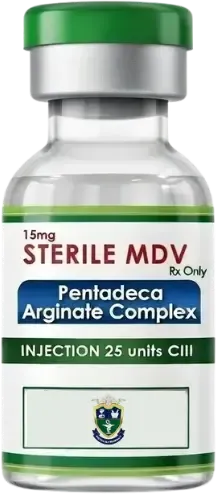
Tissue Repair + Gut Healing
BPC-157
Protein found in human gastric juice with active role in tissue repair, angiogenesis, collagen synthesis, & anti-inflammatory pathways.
No Insurance Required
Ships from USA Pharmacy
Free Medical Consultation
Syringes Included
No Subscription Required
🚫Shipping Restrictions: Pharmacy can NOT ship directly to the following states: Alabama, California, DC, Louisiana, Massachusetts, Michigan, Mississippi, Montana, Texas, Washington, and West Virginia.
Licensed Provider
Licensed Pharmacy
HIPAA Compliant
LegitScript Certified
Overview
Pharmacology
15 amino acids, derived from a cytoprotective sequence found in human gastric juice. It is stable in gastric acid, orally bioavailable, and active at both local and systemic levels without requiring cofactors for activity. It does not bind to a single defined receptor but modulates multiple signaling pathways simultaneously, including the nitric oxide system, growth factor receptors, and the dopaminergic and serotonergic systems.
Mechanism of Action
Upregulates VEGFR2 and EGF receptor expression to promote angiogenesis and accelerate tissue vascularization at injury sites. Activates the FAK-paxillin pathway to enhance fibroblast migration and collagen deposition. Modulates NOS activity to increase local nitric oxide production and improve blood flow. Stabilizes the gut epithelial barrier by upregulating tight junction proteins including occludin and claudins. Interacts with dopamine D1/D2 receptors and serotonin transporter activity, influencing gut motility and stress response.
Injection
Administered subcutaneously. 15 mg per vial. 500 mcg per dose is 30 day supply of 15 mg vial.
Information presented here is for educational purposes only and not intended to replace or substitute guidance from a healthcare provider. Compounded products are not FDA-approved nor evaluated by the FDA for safety, efficacy, or quality.
Benefits
Musculoskeletal Repair
Stimulates collagen synthesis and fibroblast activity, which are foundational to connective tissue repair and recovery from repetitive strain.
GI Mucosal Healing
Derived from a cytoprotective sequence in human gastric juice, BPC-157 has direct affinity for gastrointestinal tissue — upregulating tight junction proteins to restore intestinal barrier integrity, reducing mucosal inflammation, and accelerating repair of the gut lining.
Anti-Inflammatory Modulation
Modulates macrophage activity and inflammatory cytokine expression, supporting the transition from acute inflammation toward the proliferative and remodeling phases of tissue repair.
Angiogenesis Support
Activates VEGFR2 signaling and the Akt-eNOS cascade, increasing nitric oxide production and promoting formation of new blood vessels to deliver oxygen and nutrients to damaged tissue.
Individual results may vary. Benefits described are based on clinical and pharmacological evidence and do not constitute a guarantee of treatment outcomes. All treatment requires evaluation and approval by a licensed provider.
Simple. Medical. Personalized.

Medical intake
Answer a few online questions about your health history, lifestyle, & goals. No clinic visits required.
Provider evaluation
A licensed medical provider reviews your intake to determine the safest, personalized treatment.


Personalized plan
Custom treatment plan built around your unique health needs, goals, medical history, & biology.

Ongoing support
Stay connected with your care team for follow-ups, adjustments, & expert answers 100% online.
FAQs
What is BPC-157?
BPC-157 is a prescription therapy used for recovery and tissue support.
Who should use BPC-157?
Patients seeking support for recovery and tissue support may qualify after evaluation by a licensed provider.
Does BPC-157 require a prescription?
Yes. Pentadeca Arginate (BPC-157) is a compounded prescription peptide dispensed pursuant to a valid prescription from a licensed healthcare provider. A telehealth consultation, written informed consent, and full medical intake are required before dispensing to confirm candidacy, establish an individualized protocol, and ensure the patient understands the off-label nature of this therapy.
What are the possible side effects?
Side effects with PDA are generally mild and consistent with peptide therapies in this class. These include injection site reactions (mild redness, swelling, or transient discomfort), transient GI changes including nausea or altered bowel habits, occasional headache or mild dizziness, and temporary fatigue or increased soreness at the targeted tissue during the initial treatment phase. Serious adverse effects have not been documented in available clinical reports at therapeutic doses. Contact your provider immediately if you experience persistent injection site reactions, signs of systemic allergic response, or any unusual symptoms.
Who should not use BPC-157?
PDA is not appropriate for patients with active malignancy or a history of malignancy without thorough oncological evaluation, as its angiogenic properties raise a theoretical concern regarding tumor vascular supply. Patients who are pregnant or breastfeeding should not use this compound, as safety data is absent. Those with active autoimmune conditions or on immunosuppressive therapy require individualized provider review. PDA has not been studied in patients under 18.
Are there any drug interactions?
Formal interaction studies have not been conducted. Patients on anticoagulants or antiplatelet agents (warfarin, heparin) should discuss concomitant use with their provider, as PDA's nitric oxide-mediated vasodilatory effects may have additive effects on vascular tone and platelet function. Patients on immunosuppressants require individualized evaluation due to PDA's immune-modulating activity. NSAIDs used concurrently may blunt the natural inflammatory phases that PDA is intended to support; providers may prefer to minimize NSAID use during therapy. Always provide a complete medication list before beginning treatment.
Is BPC-157 safe if I have a pre-existing medical condition?
Patients with any malignancy history must not use PDA without thorough oncological and provider review. Those with autoimmune conditions, cardiovascular disease, significant renal or hepatic impairment, or coagulation disorders require individualized assessment. Long-term human safety data is not established, and all clinical use is off-label. Your provider requires a complete medical history before prescribing and will evaluate whether PDA is appropriate given your specific clinical picture.
Contact Us
Start Your Journey
Repair Deeper.
Recover Faster.
Physician-supervised. Pharmacy ships to your door.
No clinic visits required.
Licensed Provider
Licensed Pharmacy
HIPAA Compliant
LegitScript Certified
Optimize Your Protocol
These treatments work synergistically with your current protocol to accelerate results and improve long-term outcomes.
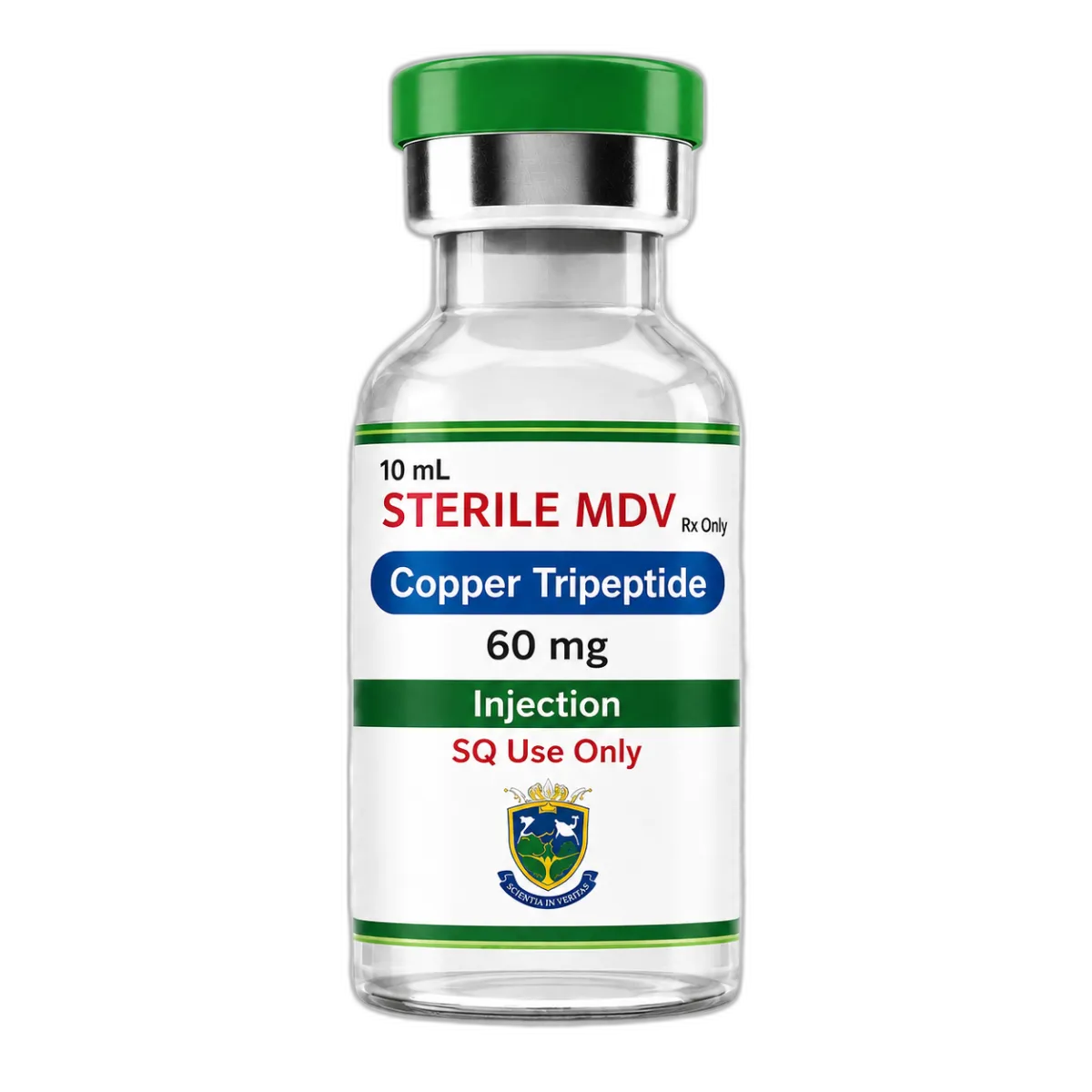
GHK-Cu
$250
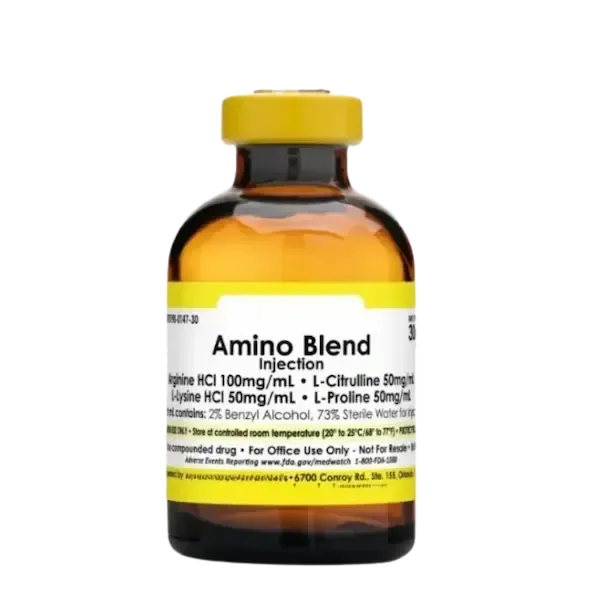
Amino Blend Injectable
$150
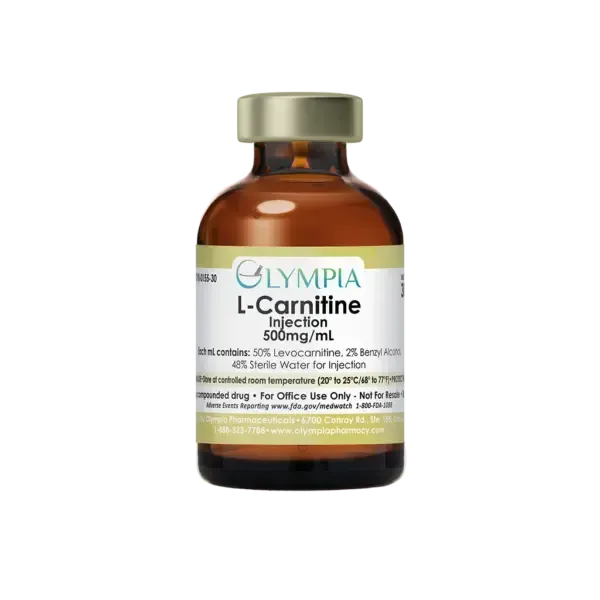
Carnitine
$150

Gut Health Panel
$149
96 IgG Food Sensitivity Panel
$250

© 2026 TestosteroneShots.com, PC
text (323)-283-9219
638 1/2 N. Robertson Blvd, West Hollywood, CA 90069
Legal

The information and clinical services described on this website are for educational and informational purposes only and are not intended to diagnose, treat, cure, or prevent any disease. All treatments require evaluation and approval by a licensed healthcare provider through a telemedicine consultation. Treatment approval is not guaranteed. Individual results may vary, and treatments may carry risks and side effects. Certain compounded medications, wellness treatments, or off-label uses may not be evaluated by the U.S. Food and Drug Administration (FDA) for safety, effectiveness, or quality unless explicitly stated. Testosterone Shots provides telehealth consultations, clinical review, care coordination, lab-related services, membership services, and ongoing treatment management. Testosterone Shots is not a pharmacy and does not manufacture, compound, dispense, sell, handle, warehouse, ship, or collect payment for prescription medication. Testosterone Shots collects payment only for consultations, clinical review, care coordination, lab-related services, membership services, and other non-pharmacy services. If treatment is approved, your prescription may be sent to a licensed pharmacy partner. The pharmacy contacts you directly to complete medication payment and shipping. Services are provided by licensed physicians, nurse practitioners, and/or other licensed healthcare providers in states where they are authorized to practice. This service is not intended for medical emergencies. If you are experiencing an emergency, call 911 or seek immediate medical care. We take reasonable measures to protect personal health information in accordance with applicable privacy laws, including HIPAA. By using this website or its services, you agree to our Terms of Service, Privacy Policy, Notice of Privacy Practices, Telehealth Consent, and Important Safety Information. You must be 18 years of age or older to use this service.