




Consult licensed providers, Get prescribed medications, & Start treatment at home.
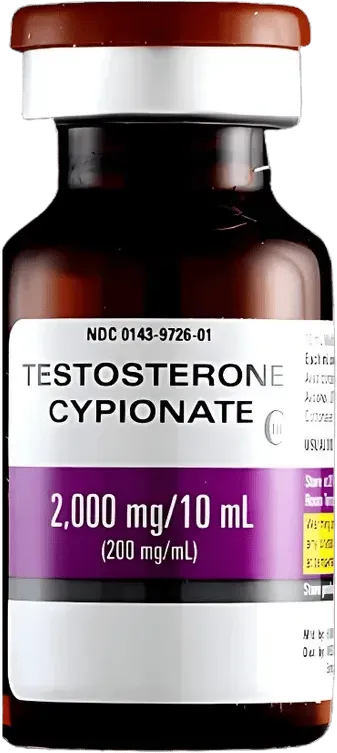
Testosterone
Optimization with Testosterone Cypionate & Pregnyl (hCG)
Anti-Aging
Vitamins & Amino Acids
Boost Cellular Longevity
Weight Loss
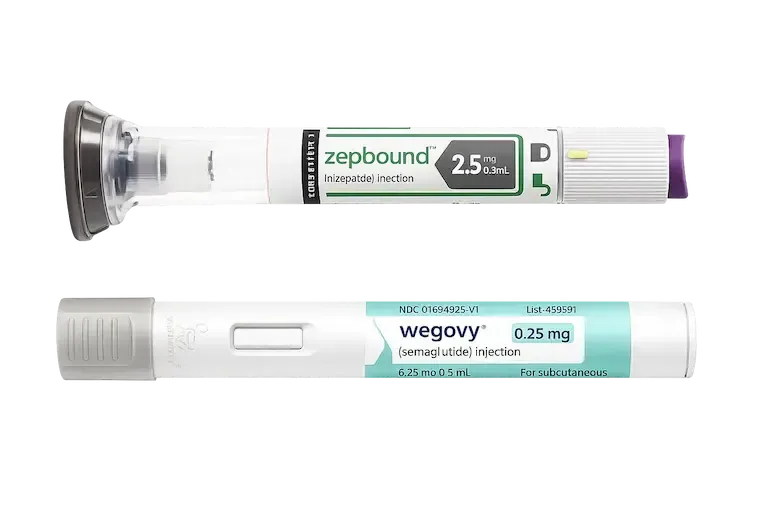
Wegovy® & Semaglutide
Zepbound® & Tirzepatide
Brain Focus
Unlock Sharper Focus, Memory, & Mental Clarity

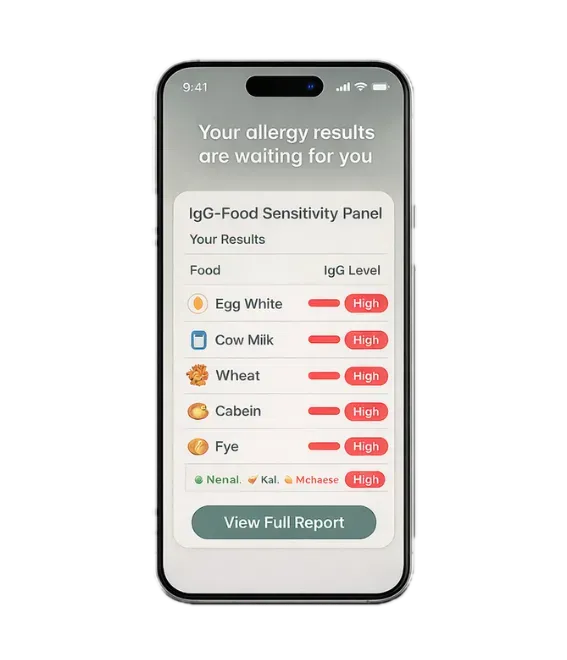
Food & Gut Allergies
Discover What's Irritating Your Gut. At-Home Test
Biohacking
Advanced Biomarker &
Genetic Labs
Hair Restoration
Repair Scalp Damage Vascularize Hair Follicles
Sleep
Medical Sleep Support For Deeper, More Consistent Rest
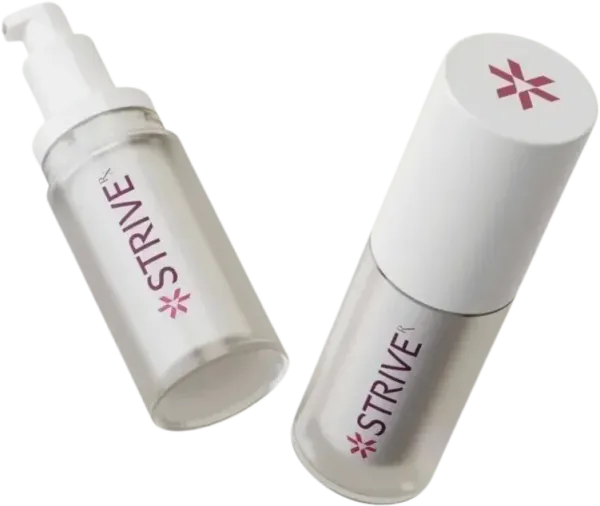
Skincare
Target Wrinkles, Rosacea, Eczema, & Acne Scars
Blood Work
Check Hormones, Allergies, Biological age, & Organ Health

Gooning ~ Sex
Sildenafil, Tadalafil, Oxytocin, PT-141. Fast-Acting

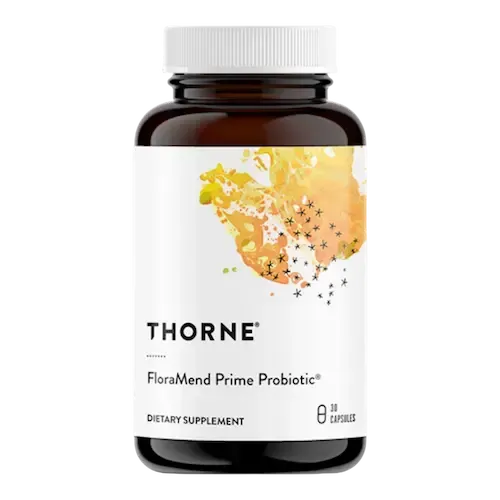
Supplements
20% off Top Clinical Brands
Thorne® Pure® Metagenics®
Peptides
Heal faster, Recover stronger, Age slower
Explore by Rx Treatment
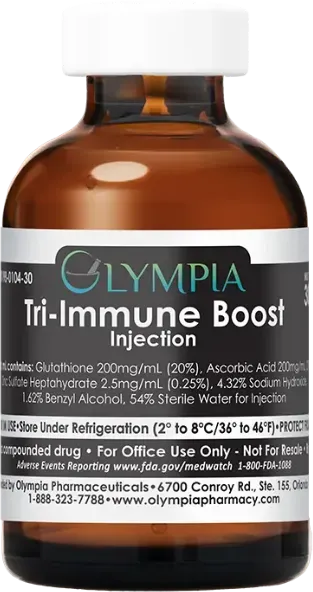
Tri-Immune Boost
Vitamin C + Glutathione + Zinc
✅ Supercharge immune defense
✅ Detox & antioxidant
✅ Brighter skin & healing
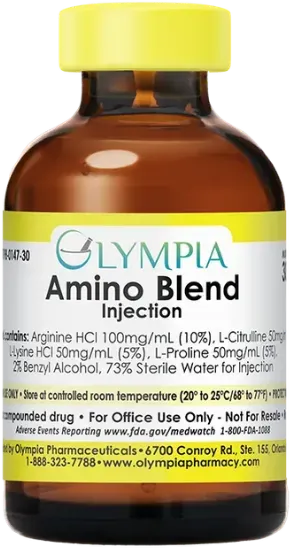
Amino Blend
Arginine + Citrulline + Lysine + Proline
✅ Maximize blood flow and pump
✅ Strengthen tendons, skin, and vessels
✅ Faster recovery between workouts
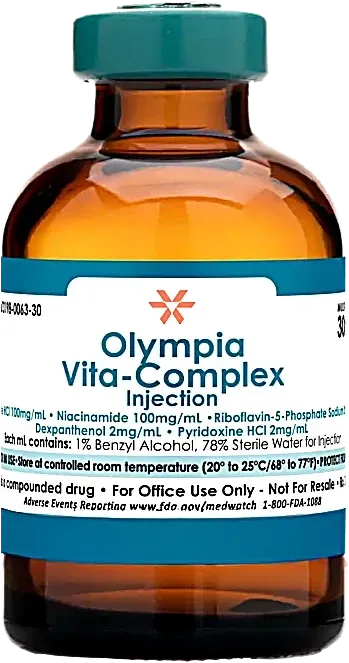
Vitamin B-Complex
Vitamins: Thiamine + Riboflavin + Niacinamide
Dexpanthenol + Pyridoxine
✅ Natural energy & reduced fatigue
✅ Eliminate brain fog & improve mood
✅ Healthier hair, skin, & nails
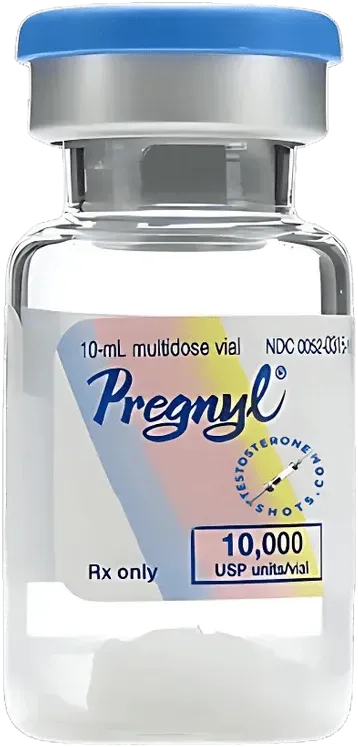
Pregnyl (hCG)
FDA-Approved brand-name human chorionic gonadotropin
✅ Mimics luteinizing hormone (LH)
✅ Increase sperm quantity & quality
✅ Intratesticular testosterone production
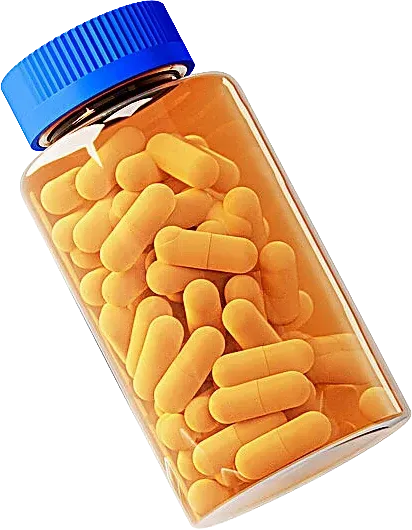
T-Booster
4 in 1: Enclomiphene + DHEA
Pregnenolone + Zinc
✅ Boost natural testosterone
✅ Balances hormones
✅ Increase energy, libido, & mood
Testosterone & hCG
Testosterone Cypionate & Pregnyl (hCG)
Gold Standard for TRT Optimization
✅ Increase total testosterone levels
✅ Maintain natural sperm production
✅ Better energy, libido, & mood
Sermorelin
Synthetic growth hormone-releasing peptide stimulates the pituitary gland
✅ Deeper sleep & faster recovery
✅ Improved energy & lean muscle
✅ Youthful joints

Gooning
Tadalafil + Oxytocin + PT-141
Ultimate Performance
✅ Tadalafil for erections
✅ Oxytocin for sexual desire
✅ PT-141 for horniness
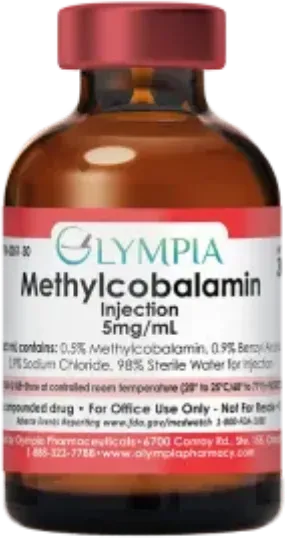
Vitamin B12
Methylcobalamin the bioactive form of B12
✅ Boosts energy and reduces fatigue
✅ Nerve function & brain clarity
✅ Promotes red blood cell production
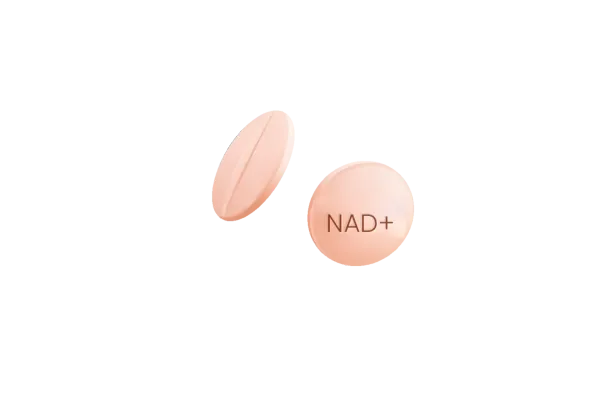
NAD+ Sublingual
Vitamin B3-derived coenzyme.
Boosts mitochondrial ATP production
✅ Sustained cellular energy & longevity
✅ Detox & DNA repair
✅ Improved cognitive clarity & mood
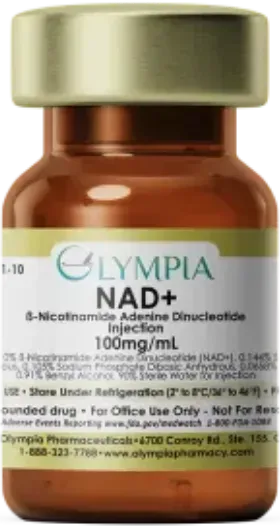
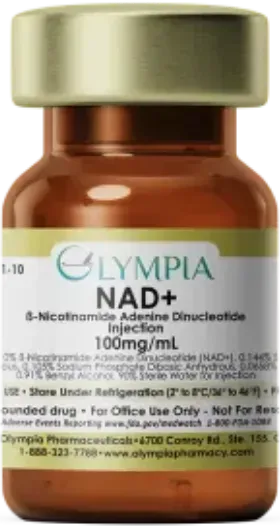
NAD+
Fuels cellular energy production & DNA
repair in every cell
✅ Recharge your cells from within
✅ Sharper focus, sustained energy
✅ Slow aging at the cellular level
Methylene Blue
Crosses the blood-brain barrier & enhances
mitochondrial function in brain cells
✅ Improves memory & focus
✅ Mental clarity
✅ Reduce oxidative stress
Stella +
4-in-1: Estriol + GHK-Cu + Niacinamide
Tretinoin in one topical formula
✅ Reverse fine lines and wrinkles
✅ Restore collagen and skin elasticity
✅ Brighter, firmer, younger-looking skin
TRT Blood Work
Baseline labs for TRT diagnosis:
Total Testosterone, PSA, CBC
✅ Quest Diagnostics
✅ Prostate level
✅ Liver & Kidney function
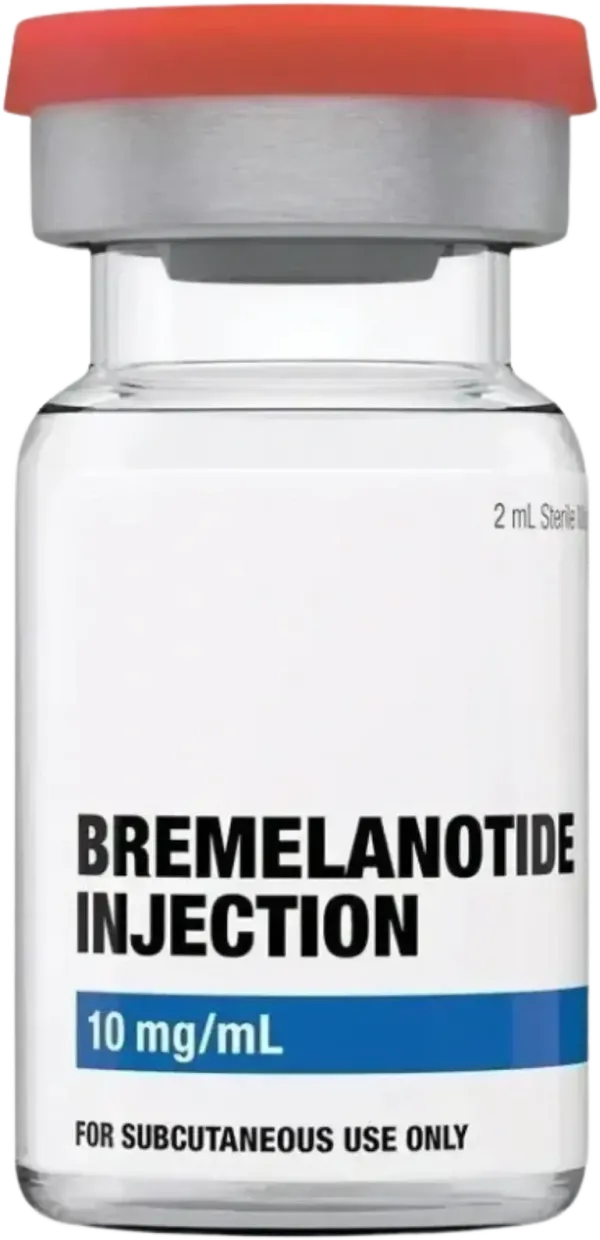
PT-141
Sexual desire & arousal activated via central nervous system
✅ Boost horniness and sensitivity
✅ Works for men and women
✅ Effects last up to 72 hours
Minoxidil + Finasteride
Dual-action combo: Finasteride blocks DHT
Minoxidil stimulates regrowth
✅ Stop thinning at the root cause
✅ Visible regrowth
✅ Two proven ingredients, one protocol
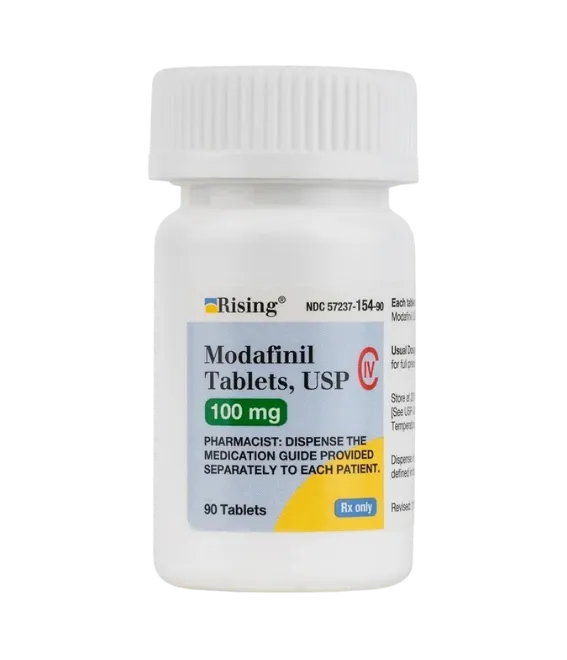
Modafinil
Wakefulness-promoting nootropic that enhances cognitive performance
✅ Razor-sharp focus
✅ No jitters, no crash
✅ Unlock peak mental performance
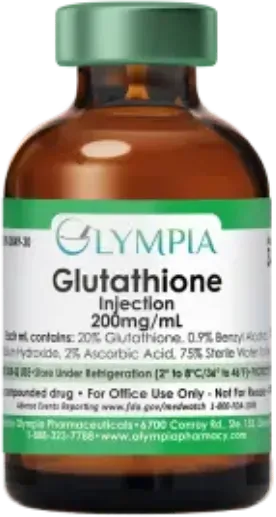
Glutathione
Master antioxidant that neutralizes free
radicals and supports liver detox
✅ Fights oxidative stress at the source
✅ Brighter, clearer skin tone
✅ Boosts immune defense and recovery
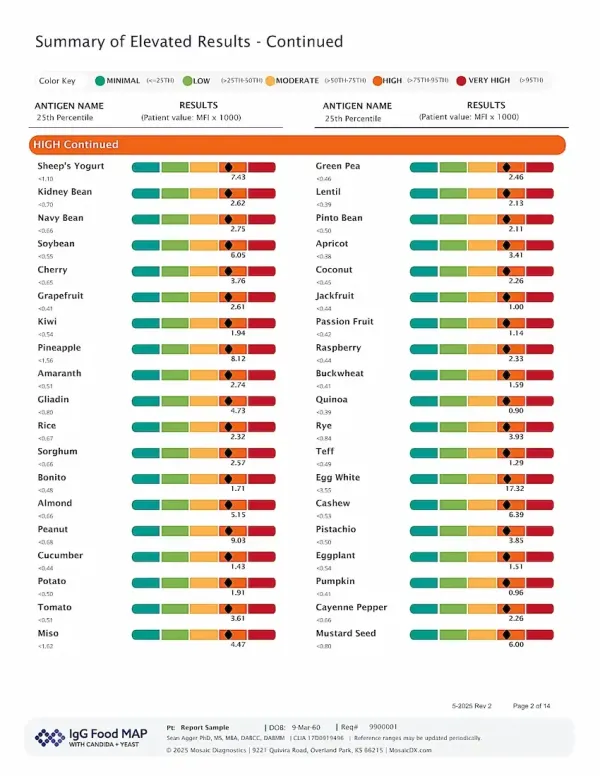
Food Allergy Test
Hidden triggers behind bloating, fatigue,
brain fog, joint pain, and skin flares that show
up hours or days after eating
✅ At-home finger-prick kit
✅ Meat, Fish, Dairy, Eggs, Nuts, Seeds, Oils
✅ Vegetables, Legumes, Fruit, Grain, Spices
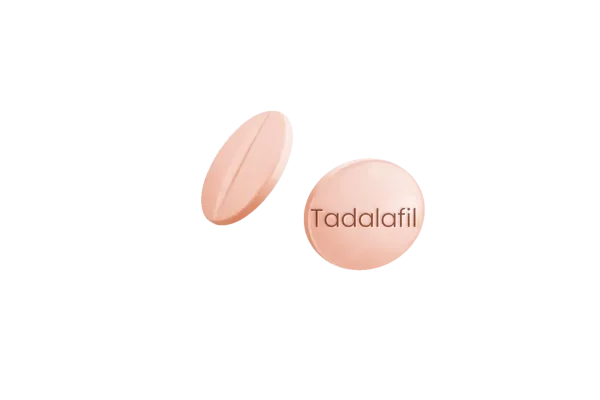
Tadalafil Sublingual
Dissolved under the tongue for faster absorption
✅ Absorbs in minutes, not hours
✅ Lasts up to 36 hours
✅ Be ready when the moment hits
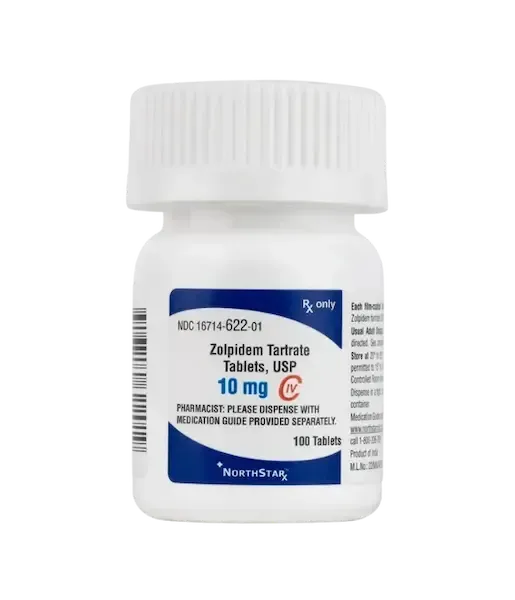
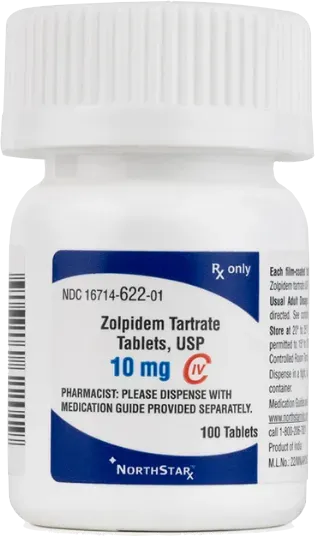
Zolpidem
Non-benzodiazepine sedative binds to GABA
receptors for rapid sleep onset
✅ Fall asleep in 15 minutes
✅ Full night of restorative sleep
✅ Wake refreshed, no grogginess
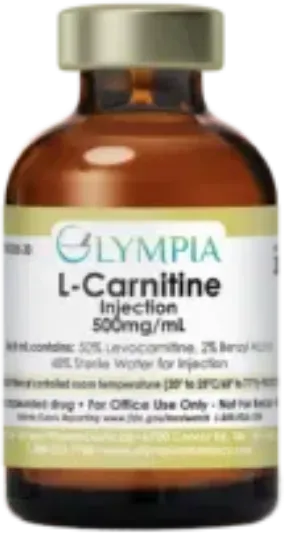
Carnitine
Shuttles fatty acids into mitochondria
for energy and fat oxidation
✅ Turn stored fat into fuel
✅ Enhance endurance and recovery
✅ Upregulate androgen receptor density
Enclomiphene
Selective estrogen receptor modulator that
signals your brain to produce more LH & FSH
✅ Raise testosterone without injections
✅ Protect sperm count and fertility
✅ Oral pill, taken once daily

Environmental Allergy
88 IgE responses trigger symptoms like
hives, skin flushing, eye redness, swelling,
& respiratory irritation
✅ Trees, Grass, Weeds, Mold, Fungus
✅ Pet Dander, Dust Mite, Insect, Pollen
✅ At-home finger-prick kit
peptide
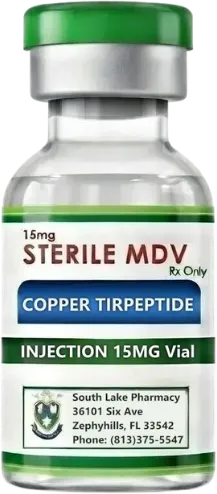
GHK-Cu
Copper peptide that signals collagen, elastin, and glycosaminoglycan production in skin.
Tighten skin and reduce wrinkles
Wound healing and hair growth
Reduce inflammation
$250
peptide
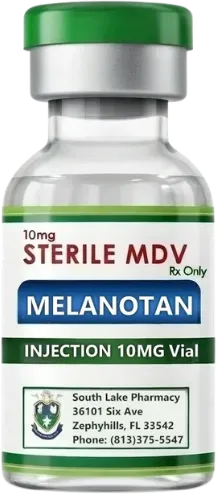
Melanotan
Alpha-MSH analog that stimulates melanocytes for a deeper, longer-lasting tan.
Natural sun-kissed tan, less UV
Reduces risk of sunburn damage
May boost libido and appetite control
$200
peptide
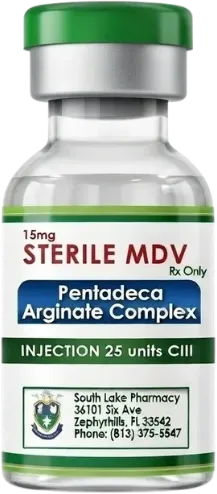
BPC-157
Gastric pentadecapeptide that accelerates tissue repair across gut, tendon, and muscle.
Heal injuries and joints faster
Repair and protect the gut lining
Reduce inflammation systemwide
$250
Answer a few medical questions and get matched with the right peptide treatment.
No guesswork. No unnecessary options.
How It Works
Choose a treatment
Browse a curated selection of medically guided treatments designed for real needs, not trends. Each option is clearly explained so you can make an informed choice without medical jargon or confusion.
Complete a secure medical intake
Fill out a confidential health questionnaire that helps our providers understand your medical history,
goals, and current condition. Your information is encrypted and reviewed with strict privacy standards.
Provider review & approval
A licensed medical provider reviews your intake to ensure the treatment is personalized to your goals. If needed, they may request additional details or lab work before approval.

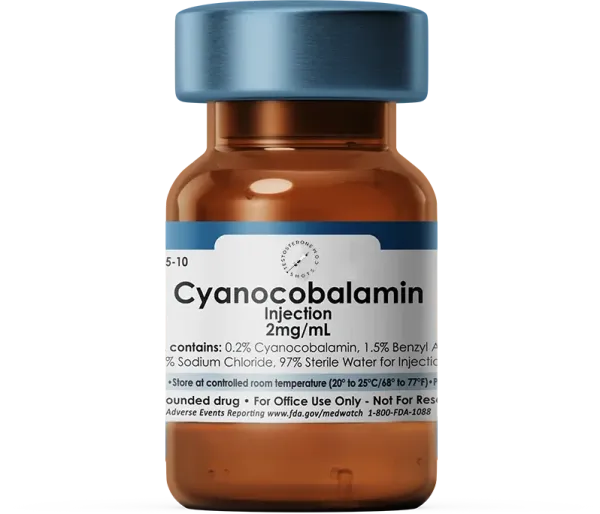
Medication delivered to your door
Once approved, the prescription is prepared by a trusted partner pharmacy & shipped directly to
you. Delivery is fast, discreet, and designed to fit seamlessly into your routine.
Private. Simple. Delivered.
100% Online Medical

Receive professional medical care entirely online, from consultation to prescription management. No waiting rooms, no appointments to commute to, everything happens on your schedule.
Discreet Packaging

Your privacy comes first. All medications are shipped in plain, unbranded packaging with no indication of contents, ensuring a confidential and stress-free delivery experience.
Ongoing Support
Care doesn’t stop once you receive your medication. Stay connected with licensed providers for follow-ups, dosage adjustments, refills, and questions through your secure patient portal.
Trust & Compliance
HIPAA-Compliant Platform
We use secure, HIPAA-compliant systems to protect your personal and medical data at every step, from intake forms to ongoing care. Your information is never shared without authorization.
Licensed Medical Providers
All treatments are reviewed and approved by licensed medical professionals who follow
established clinical guidelines and regulatory requirements.
Partner Licensed Pharmacies
Prescriptions are fulfilled by licensed 503A or 503B FDA-regulated compounding pharmacies that meet strict quality, safety, and compliance standards, ensuring consistent and medical-grade formulations.
Our Experts

Dr. Gideon Kwok, DO
Medical Director
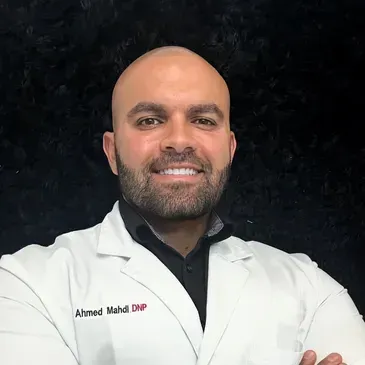
Ahmed Mahdi, DNP
Practitioner
Proof, Not Promises
High Standards
Higher Ratings

FAQs
Are you a pharmacy?
We are not a pharmacy. We do not manufacture, handle, or ship medications. Our partner pharmacies dispense medication after the patient has been approved for treatment and the prescription has been submitted by a licensed medical provider.
Do I need blood work?
Our medical providers recommend a baseline lab panel for a personalized treatment plan based on your biomarkers. This helps us understand your unique health profile, prescribe the right treatment at the right dose, and monitor your progress over time. We offer 16 lab panels starting at $99 through Quest Diagnostics, with results in 3-5 business days.
How does the process work?
Complete a medical intake form, consult with a licensed provider via telehealth, get your prescription sent to our partner pharmacy, and receive your medication shipped to your door.
How long does it take to get my medication?
Most patients receive their medication within 5-7 business days after provider approval.
When will I start feeling results?
Results depend on the treatment and individual health profile. Every patient's experience is different and results may vary. Your provider will discuss realistic expectations during your consultation and adjust your treatment plan based on your progress and lab work.
Who will I see for my consultation?
All consultations are conducted by licensed medical providers (DNPs or MDs or DOs) specializing in each treatment.
Do you accept insurance?
We do not accept insurance at this time. TRT can use insurance at Quest Diagnostics or Labcorp to cover the cost of blood work.
What if I'm not approved for treatment?
Our goal is to help you become healthy. Under the guidance of our medical providers, we personalize a treatment plan tailored to your goals, biomarkers, and DNA. If a specific treatment isn't right for you, a provider will recommend alternative options to help you reach your health goals.
What is your refund policy?
All prescription medications are non-refundable and sales are considered final once dispensed by our partner pharmacy. Membership subscriptions may be cancelled up to 36 hours prior to the next treatment cycle. Lab panel orders are eligible for a refund provided the order has not yet been submitted to Quest Diagnostics or Labcorp.
Our Partners







© 2026 TestosteroneShots.com, PC
text (323)-283-9219
638 1/2 N. Robertson Blvd, West Hollywood, CA 90069
Legal
The information and products provided on this website are for educational and wellness purposes only and are not intended to diagnose, treat, cure, or prevent any disease. All treatments require evaluation and approval by a licensed healthcare provider through a telemedicine consultation. Individual results may vary, and products carry potential risks and side effects. Certain products may not be evaluated by the U.S. Food and Drug Administration (FDA) unless explicitly stated. Services are provided by licensed physicians and nurse practitioners in states where they are authorized to practice, including California, Florida, Nevada, and other participating states. This service is not intended for medical emergencies. If you are experiencing an emergency, call 911 or seek immediate medical care. We take reasonable measures to protect personal health information in accordance with applicable privacy laws, including HIPAA. By using this website or its services, you agree to our Terms of Service, Privacy Policy, and Telehealth Consent. You must be 18 years of age or older to use this service.


