
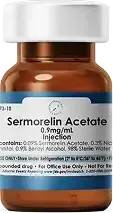
GH restoration + Recovery
Sermorelin
A youth-restoring peptide stimulating natural growth hormone production for deep sleep, faster recovery, & healthier skin.
No Insurance Required
Ships from USA Pharmacy
Free Medical Consultation
Syringes Included
No Subscription Required
Licensed Provider
Licensed Pharmacy
HIPAA Compliant
LegitScript Certified
Overview
Pharmacology
Peptide that signals your pituitary gland to produce and release more growth hormone naturally. Instead of injecting synthetic HGH, sermorelin tells your body to make its own, keeping the process natural, balanced, and safer.
Mechanism of Action
Activates GHRH receptors (GHRHR) on pituitary somatotropes, mimicking native GHRH to increase intracellular cAMP, promote hGH gene transcription, and trigger pulsatile secretion of growth hormone.
Injection
Administered subcutaneously at bedtime to align with the body's natural nocturnal growth hormone pulse.
Information presented here is for educational purposes only and not intended to replace or substitute guidance from a healthcare provider. Compounded products are not FDA-approved nor evaluated by the FDA for safety, efficacy, or quality.
Benefits
Deeper Sleep
Growth hormone is released during deep sleep. Sermorelin amplifies this natural cycle. Better sleep within the first 1 to 2 weeks.
Lean Muscle & Fat Loss
Stimulates natural growth hormone production, which supports lean muscle preservation, reduces body
fat, and shifts body composition over time.
Faster Recovery
Growth hormone drives tissue repair, collagen production, and muscle recovery. Patients report less
soreness, faster bounce-back between workouts, and improved healing from physical stress.
Energy & Vitality
Patients consistently report improved daily energy, reduced fatigue, and a return of motivation.
Not a stimulant effect. A restoration of what your body used to produce on its own.
Skin, Hair, & Anti-Aging
Growth hormone supports collagen synthesis and skin elasticity. Many patients notice improved skin
thickness, hydration, and overall appearance. Some report improved hair quality.
Somatopause Management
GH output declines roughly 14% per decade after the third decade of life. Sermorelin works upstream of GH to restore a more youthful pattern of pulsatile GH release while preserving the pituitary's natural feedback controls.
Individual results may vary. Benefits described are based on clinical and pharmacological evidence and do not constitute a guarantee of treatment outcomes. All treatment requires evaluation and approval by a licensed provider.
Simple. Medical.
Personalized.

Medical intake
Answer a few online questions about your health history, lifestyle, & goals. No clinic visits required.
Provider evaluation
A licensed medical provider reviews your intake to determine the safest, personalized treatment.


Personalized plan
Custom treatment plan built around your unique health needs, goals, medical history, & biology.

Ongoing support
Stay connected with your care team for follow-ups, adjustments, & expert answers 100% online.
FAQs
What is Sermorelin Injection?
Sermorelin Injection is a prescription therapy used for growth hormone support.
Who should use Sermorelin Injection?
Patients seeking support for growth hormone support may qualify after evaluation by a licensed provider.
Does Sermorelin require a prescription?
Yes. Sermorelin is a compounded prescription peptide requiring a valid prescription from a licensed healthcare provider. A baseline evaluation — including IGF-1, fasting glucose, and thyroid panel — is required before prescribing, along with a telehealth consultation and full medical intake to confirm candidacy, screen for contraindications, and establish an individualized protocol.
What are the possible side effects?
Sermorelin is generally well tolerated at therapeutic doses. The most common side effect is injection site reactions — redness, swelling, or transient pain at the site. Additional reported effects include facial flushing or warmth shortly after injection, headache, dizziness, occasional nausea, mild fluid retention or peripheral edema (particularly early in treatment), somnolence consistent with bedtime dosing, and transient increases in fasting glucose. Report all new or worsening symptoms to your provider promptly.
Who should not use Sermorelin?
Sermorelin is contraindicated in patients with active malignancy or a history of GH/IGF-1-sensitive cancers (including certain breast, prostate, and colorectal cancers) — oncology consultation is required for any cancer history. Patients with untreated hypothyroidism, elevated baseline IGF-1, active intracranial lesions, pituitary tumors, or recent neurosurgery are not appropriate candidates. Those with diabetes or significant insulin resistance require careful monitoring and medication coordination. It is not appropriate for patients who are pregnant, breastfeeding, or under 18.
Are there any drug interactions?
Glucocorticoids suppress GH secretion and blunt pituitary response to GHRH — patients on corticosteroid therapy may experience reduced sermorelin efficacy and should discuss this with their provider. Somatostatin analogs (octreotide, lanreotide) directly antagonize sermorelin's mechanism at the pituitary and are contraindicated with concurrent use. Patients on insulin or antidiabetic agents may need adjustments as sermorelin-stimulated GH can reduce insulin sensitivity. Other GH secretagogues (ipamorelin, CJC-1295) are frequently combined with sermorelin for synergistic effect and require provider oversight and appropriate dose adjustments.
Is Sermorelin safe if I have a pre-existing medical condition?
Patients with any history of malignancy — particularly GH/IGF-1-sensitive cancers — require oncology consultation before initiating sermorelin. Those with diabetes, significant cardiovascular disease, hypothyroidism, or intracranial conditions require careful individualized evaluation. Regular monitoring of IGF-1, fasting glucose, and relevant metabolic parameters is standard of care throughout treatment. Your provider will determine the appropriate protocol based on your baseline labs and complete medical history.
Contact Us
Start Your Journey
Restore. Recover.
Rebuild.
Physician-supervised. Delivered to your door.
No clinic visits required.
Licensed Provider
Licensed Pharmacy
HIPAA Compliant
LegitScript
Optimize Your Protocol
These treatments work synergistically with your current protocol to accelerate results and improve long-term outcomes.
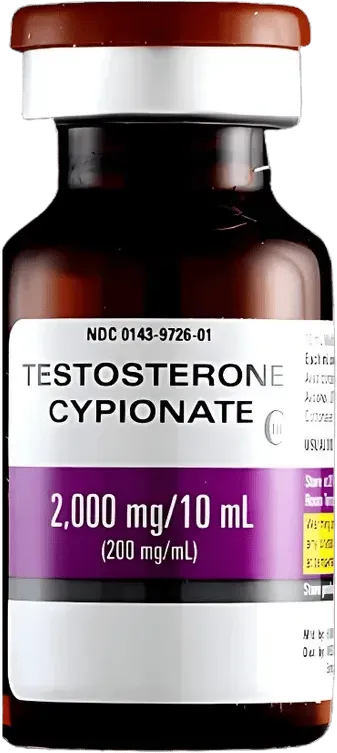
Testosterone Cypionate
$200/Month

Ultimate Biomarker Panel
$449
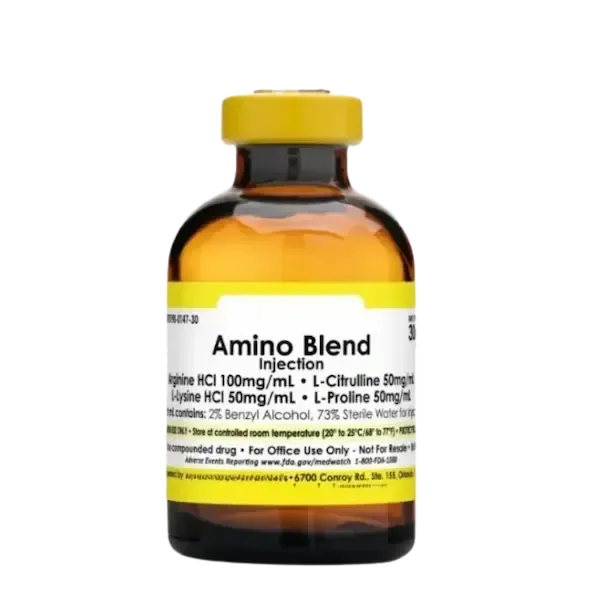
Amino Blend
$150
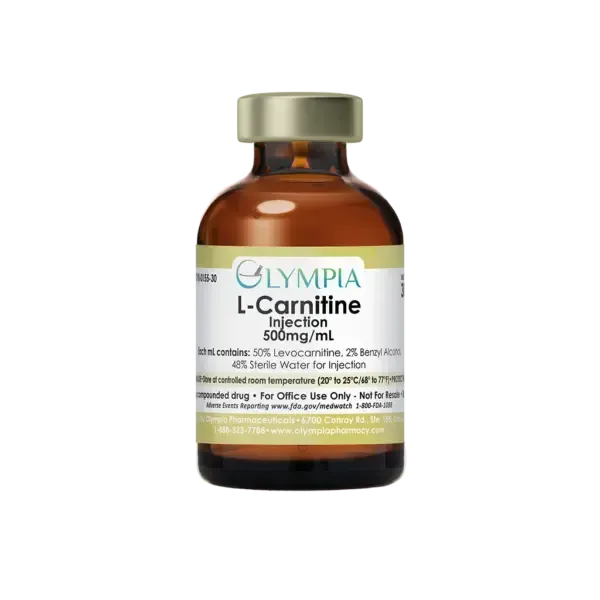
L-Carnitine
$150

TruAge
$475

© 2026 TestosteroneShots.com, PC
text (323)-283-9219
638 1/2 N. Robertson Blvd, West Hollywood, CA 90069
Legal

The information and clinical services described on this website are for educational and informational purposes only and are not intended to diagnose, treat, cure, or prevent any disease. All treatments require evaluation and approval by a licensed healthcare provider through a telemedicine consultation. Treatment approval is not guaranteed. Individual results may vary, and treatments may carry risks and side effects. Certain compounded medications, wellness treatments, or off-label uses may not be evaluated by the U.S. Food and Drug Administration (FDA) for safety, effectiveness, or quality unless explicitly stated. Testosterone Shots provides telehealth consultations, clinical review, care coordination, lab-related services, membership services, and ongoing treatment management. Testosterone Shots is not a pharmacy and does not manufacture, compound, dispense, sell, handle, warehouse, ship, or collect payment for prescription medication. Testosterone Shots collects payment only for consultations, clinical review, care coordination, lab-related services, membership services, and other non-pharmacy services. If treatment is approved, your prescription may be sent to a licensed pharmacy partner. The pharmacy contacts you directly to complete medication payment and shipping. Services are provided by licensed physicians, nurse practitioners, and/or other licensed healthcare providers in states where they are authorized to practice. This service is not intended for medical emergencies. If you are experiencing an emergency, call 911 or seek immediate medical care. We take reasonable measures to protect personal health information in accordance with applicable privacy laws, including HIPAA. By using this website or its services, you agree to our Terms of Service, Privacy Policy, Notice of Privacy Practices, Telehealth Consent, and Important Safety Information. You must be 18 years of age or older to use this service.