
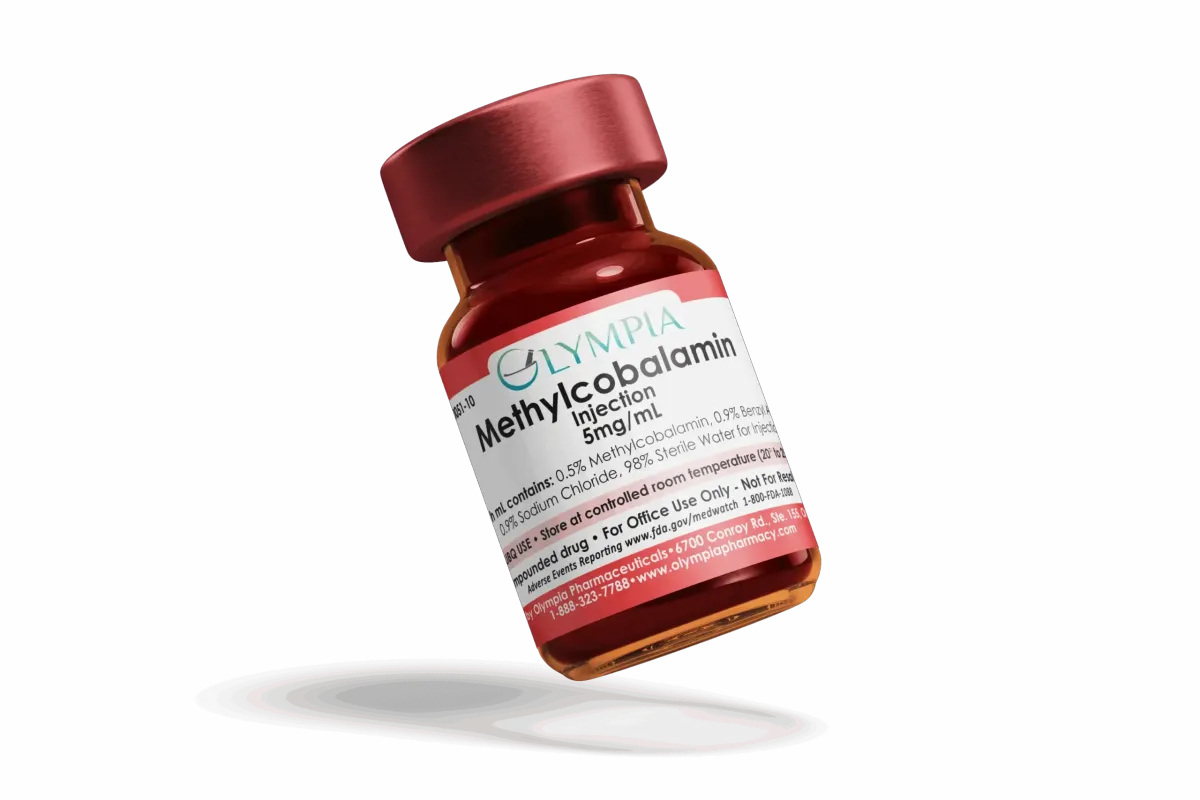
Energy + Focus
Methylcobalamin Vitamin B12
The active form of B12 delivers energy, nerve support, and mental clarity.
No Insurance Required
Ships From USA Pharmacy
Free Medical Consultation
Syringes Included
No Subscription Required
Licensed Provider
Licensed Pharmacy
HIPAA Compliant
LegitScript Certified
Overview
Bioactive Cobalamin
Methylcobalamin is the bioactive coenzyme form of vitamin B12 that does not require liver conversion, making it immediately available for cellular use.
Mechanism of Action
Cofactor for methylation reactions that produce neurotransmitters, form red blood cells, synthesize DNA, and convert homocysteine to methionine.
Injection
Intramuscular injections deliver high bioavailability.
Information presented here is for educational purposes only and not intended to replace or substitute guidance from a healthcare provider. Compounded products are not FDA-approved nor evaluated by the FDA for safety, efficacy, or quality.
Benefits
Energy
Directly supports cellular energy metabolism and red blood cell formation, eliminating the fatigue caused by B12 deficiency.
Brain Focus and Clarity
Supports neurotransmitter production and nerve signaling for sharper thinking and reduced brain fog.
Mood and Stress
Required for serotonin and dopamine production, supporting emotional balance and stress resilience.
Anemia Support
Corrects macrocytic anemia by restoring the B12-dependent pathway required to produce properly sized, functional red blood cells.
Hair, Skin, Nails
Supports cell reproduction and turnover critical for healthy hair growth, skin renewal, and nail strength.
These statements have not been evaluated by the U.S. Food and Drug Administration and should not be interpreted as medical advice or a guarantee of treatment outcomes.
Simple. Medical.
Personalized.

Medical intake
Answer a few online questions about your health history, lifestyle, & goals. No clinic visits required.
Provider evaluation
A licensed medical provider reviews your intake to determine the safest, personalized treatment.


Personalized plan
Custom treatment plan built around your unique health needs, goals, medical history, & biology.

Ongoing support
Stay connected with your care team for follow-ups, adjustments, & expert answers 100% online.
What Patients Are Experiencing

"My B12 was low normal and I felt it. Weekly injections resolved the fatigue and brain fog within a month."
— Sandra O. *
"I am vegan and struggled to maintain B12 through diet. Injectable methylcobalamin fixed my levels and my energy immediately."
— Claire H. *
"The injection form works far better than the supplements I was taking. Absorption is not even comparable."
— Joseph F. *
*Individual experiences may vary. Not all patients will have the same outcomes.
FAQs
What is Methylcobalamin?
Methylcobalamin is a prescription therapy used for nervous system and vitamin B12 support.
Who should use Methylcobalamin?
Patients seeking support for nervous system and vitamin B12 support may qualify after evaluation by a licensed provider.
Does Methylcobalamin require a prescription?
Yes. Injectable methylcobalamin requires a valid prescription from a licensed provider in the US.
What are the possible side effects?
Injection site pain and mild redness are the most common side effects. Rarely, allergic reactions including urticaria or anaphylaxis may occur.
Who Should Not Use Methylcobalamin?
Avoid in patients with known hypersensitivity to cobalamin or cobalt compounds. Use with caution in patients with Leber's hereditary optic neuropathy.
Are there any drug interactions?
Chloramphenicol may reduce the hematologic response to B12. Metformin and proton pump inhibitors can reduce B12 absorption, making the injectable form advantageous.
Is Methylcobalamin safe if I have a pre-existing medical condition?
Patients with renal impairment, folate deficiency anemia, or polycythemia vera require monitoring during B12 supplementation. Lab review is recommended.
Contact Us
Start Your Journey
Ready to Restore Your
Energy and Clarity?
Physician-prescribed. Delivered to your door. No clinic visits required.
Licensed Provider
Licensed Pharmacy
HIPAA Compliant
LegitScript Certified
Optimize Your Protocol
These treatments work synergistically with your current protocol to accelerate results and improve long-term outcomes.
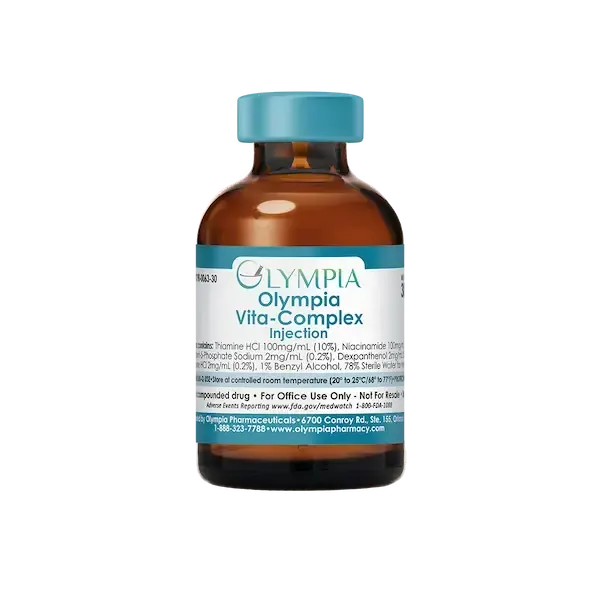
Vitamin B Complex
$160
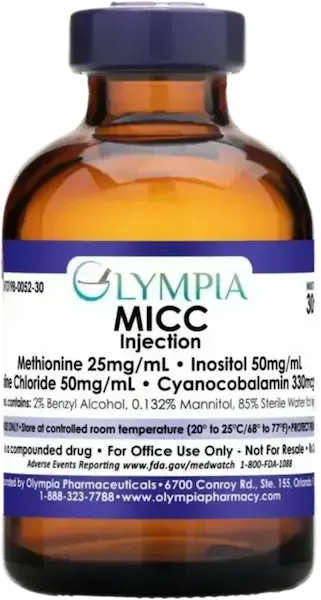
MIC Injection
$150
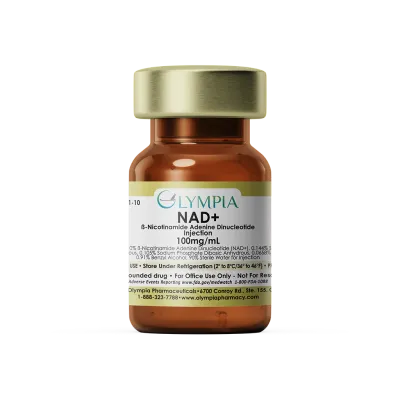
NAD+
$250
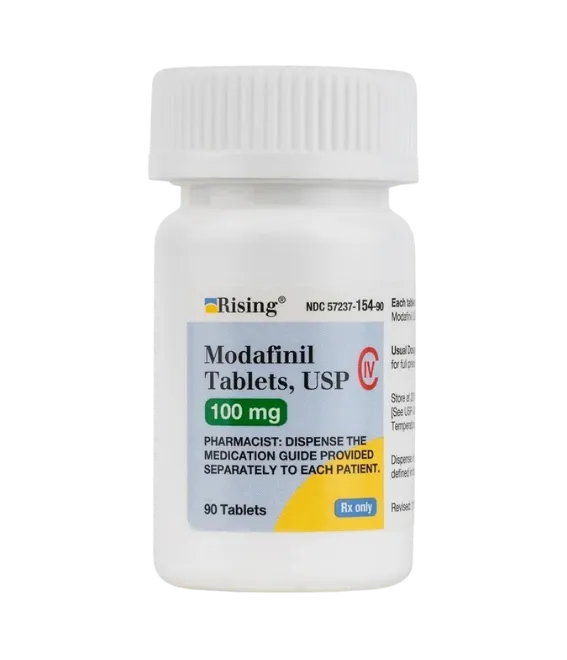
Modafinil
$99

Comprehensive Micronutrient Panel
$299

© 2026 TestosteroneShots.com, PC
text (323)-283-9219
638 1/2 N. Robertson Blvd, West Hollywood, CA 90069
Legal

The information and clinical services described on this website are for educational and informational purposes only and are not intended to diagnose, treat, cure, or prevent any disease. All treatments require evaluation and approval by a licensed healthcare provider through a telemedicine consultation. Treatment approval is not guaranteed. Individual results may vary, and treatments may carry risks and side effects. Certain compounded medications, wellness treatments, or off-label uses may not be evaluated by the U.S. Food and Drug Administration (FDA) for safety, effectiveness, or quality unless explicitly stated. Testosterone Shots provides telehealth consultations, clinical review, care coordination, lab-related services, membership services, and ongoing treatment management. Testosterone Shots is not a pharmacy and does not manufacture, compound, dispense, sell, handle, warehouse, ship, or collect payment for prescription medication. Testosterone Shots collects payment only for consultations, clinical review, care coordination, lab-related services, membership services, and other non-pharmacy services. If treatment is approved, your prescription may be sent to a licensed pharmacy partner. The pharmacy contacts you directly to complete medication payment and shipping. Services are provided by licensed physicians, nurse practitioners, and/or other licensed healthcare providers in states where they are authorized to practice. This service is not intended for medical emergencies. If you are experiencing an emergency, call 911 or seek immediate medical care. We take reasonable measures to protect personal health information in accordance with applicable privacy laws, including HIPAA. By using this website or its services, you agree to our Terms of Service, Privacy Policy, Notice of Privacy Practices, Telehealth Consent, and Important Safety Information. You must be 18 years of age or older to use this service.